

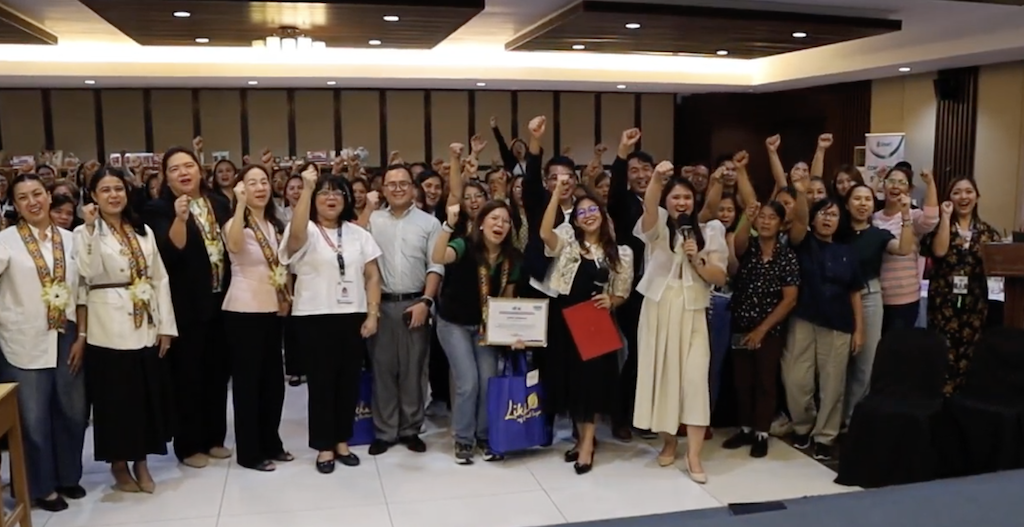
Women entrepreneurs in the Philippines made up 60% of business registrants recorded by the Department of Trade and Industry in 2025, underscoring their growing presence in the country’s MSME sector.
DTI Undersecretary for Regional Operations Blesila Lantayona disclosed the figure as the agency reported that around 80,000 women entrepreneurs are registered in Central Luzon alone, making the region the third-highest nationwide in terms of female business registrations.
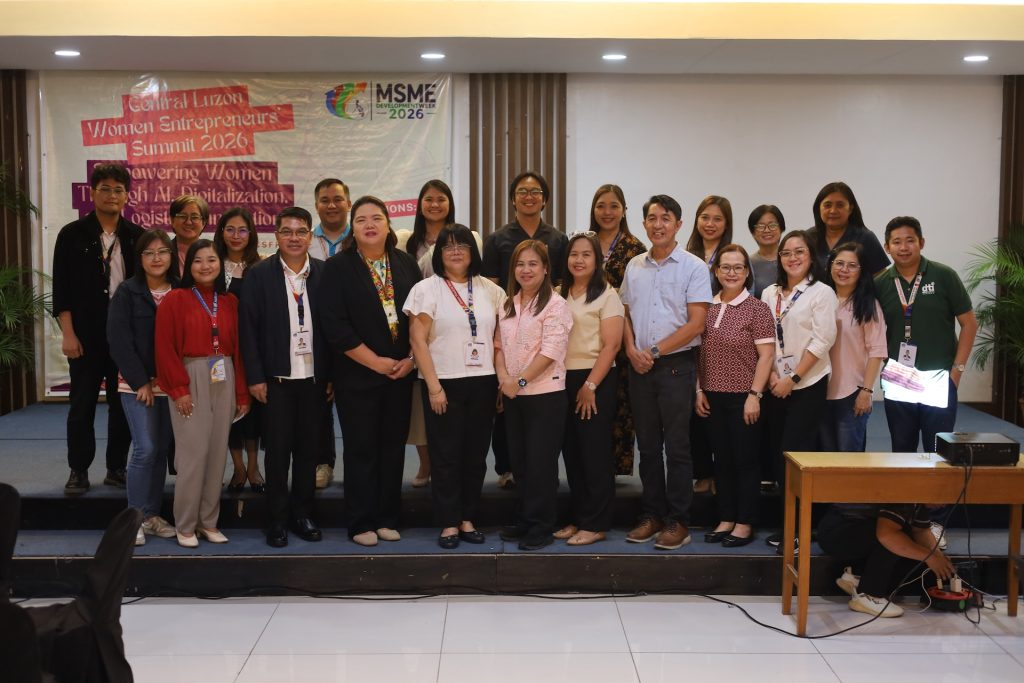
The figures were cited in a September 3 report from the Philippine Information Agency.
But registering a business is only the beginning. For many women-led micro, small and medium enterprises, one of the bigger challenges comes after formalization: finding enough capital to keep the business operating and eventually expand.
Women are already a major part of the MSME economy
The latest figure is significant in a country where MSMEs account for the overwhelming majority of businesses.
DTI has said micro, small and medium enterprises make up about 99% of registered establishments in the Philippines. Many operate in sectors such as retail, food services and manufacturing, where access to additional capital can determine whether a business can add inventory, purchase equipment or expand.
Lantayona said women entrepreneurs contribute not only through the businesses they establish but also through employment and income generated for households and local communities.
DTI has also been encouraging women-led businesses to adopt digital tools, expand into new markets and participate in programs such as One Town One Product, regional trade fairs and export initiatives.
The agency has increasingly paired these entrepreneurship programs with financing support.
Access to capital remains a major hurdle
In June 2025, DTI and its financing arm Small Business Corporation launched the Women’s Enterprise Fund, specifically for women-owned and women-led MSMEs.
The program offers loans ranging from ₱30,000 to ₱20 million, with financing available for business expansion, franchising, purchase orders and recovery needs.
Interest is set at 1% per month based on a diminishing balance, while collateral is generally required only for loans exceeding ₱5 million. Repayment periods can run for as long as five years, depending on the financing window.
At the time the fund was launched, Small Business Corporation said it had already disbursed more than ₱8 billion in loans to women-owned and women-led MSMEs.
The existence of a dedicated financing program also highlights a broader challenge: a large number of women starting businesses does not automatically mean they have equal access to formal credit.
Digital finance is another area to watch
BSP’s National Strategy for Financial Inclusion reporting, citing an MSME survey, showed that 28% of women-owned MSMEs had applied for a business loan compared with 20% of men-owned businesses.
At the same time, only 28% of women-owned MSMEs used digital financial services, versus 44% of those owned by men.
The figures are based on earlier survey data and should not be treated as a snapshot of conditions in 2026. They nevertheless illustrate why policymakers and financial institutions have increasingly focused not only on encouraging entrepreneurship, but also on widening access to formal credit and digital financial tools.
This becomes more important as business finance moves online.
Digital payments can create transaction histories that may help lenders assess the cash flow of smaller businesses. Online loan applications can reduce the need to visit branches, while digital accounts can make receiving payments and managing business funds easier.
However, these benefits still depend on entrepreneurs having access to the technology, financial products and knowledge needed to use them effectively.
For the growing number of women entrepreneurs in the Philippines, the next measure of progress may therefore be less about how many businesses get registered and more about how many are able to secure financing, adopt digital tools and grow beyond their first years of operation.