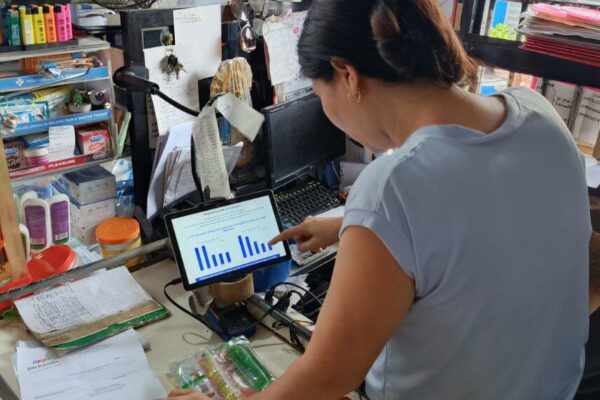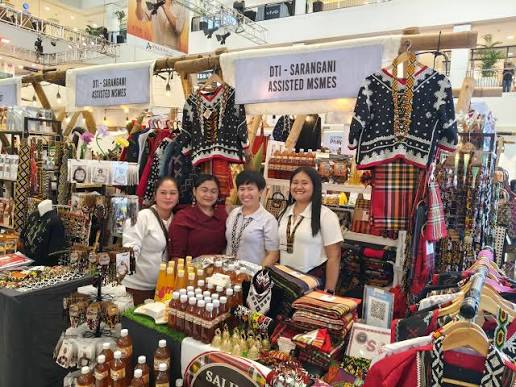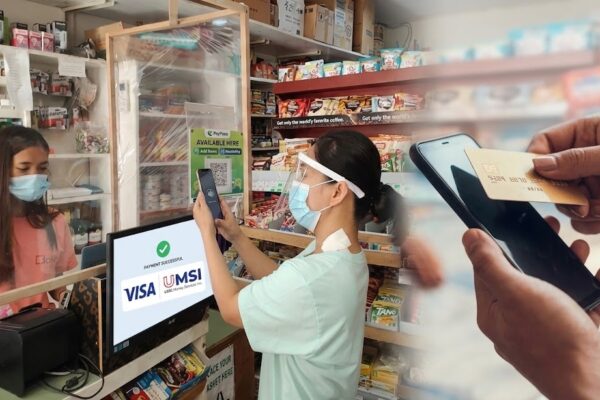

The Bangko Sentral ng Pilipinas (BSP) brought its financial education campaign to Nueva Ecija this week, gathering micro, small, and medium enterprises (MSMEs) for sessions on managing finances, navigating digital services and preparing their businesses for growth.
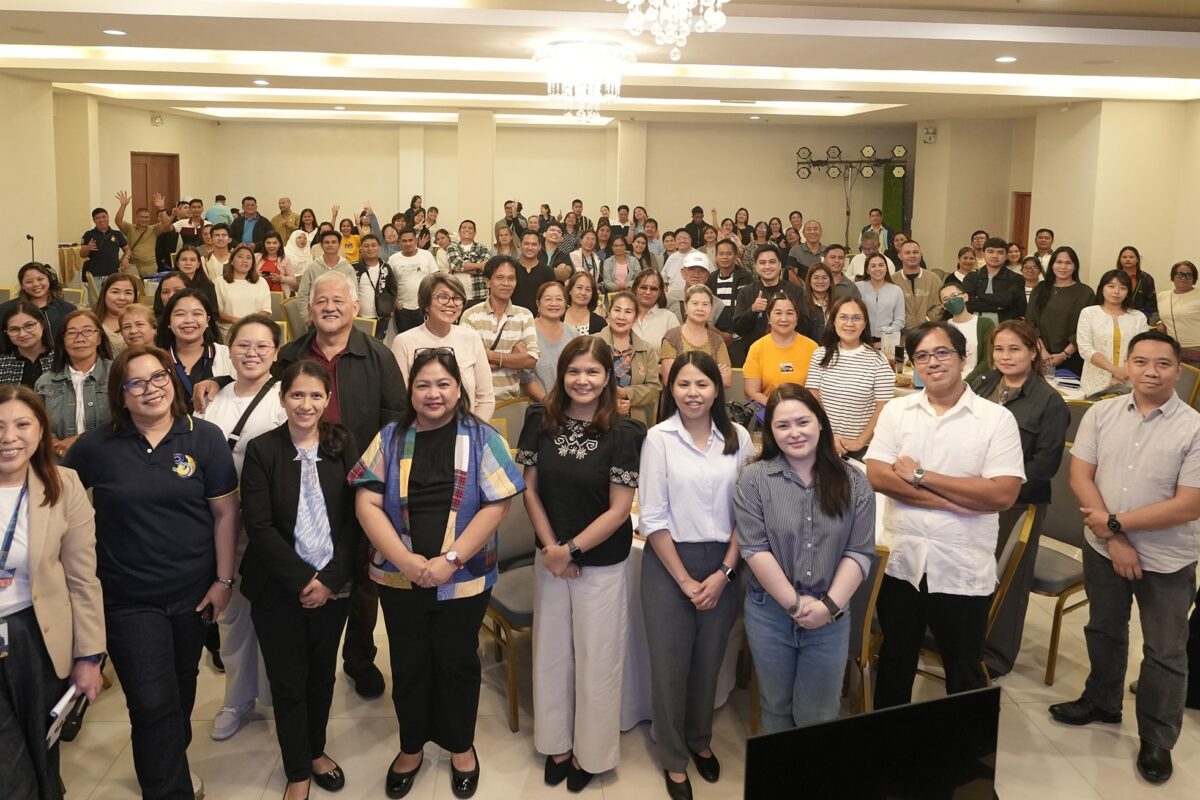
The central bank held the third leg of its 2026 Economic and Financial Learning Program (EFLP) Sessions in Cabanatuan City on August 18 and 19, as it continued efforts to make financial education more accessible, particularly among sectors identified as priorities under the country’s National Strategy for Financial Inclusion.
Held under the theme “Planong Panalo Para sa Negosyo,” the Nueva Ecija leg drew nearly 200 participants onsite and around 1,100 attendees online.
The program focused on practical financial concerns faced by MSMEs, including cash flow management, responsible borrowing, recent economic developments and the safe use of digital financial services.
Participants also received guidance on building consumer trust and explored insurance solutions that could help businesses manage risks, protect their operations and prepare for future opportunities.
BSP urges MSMEs to strengthen financial health
Bangko Sentral ng Pilipinas Deputy Governor Bernadette Romulo-Puyat stressed the importance of maintaining sound financial health, particularly for businesses that need to balance day-to-day obligations with longer-term investment decisions.
“Financial health helps a business meet obligations, absorb unexpected expenses, and decide when to borrow or invest,” Romulo-Puyat said in a recorded message.
The event was co-organized with the Department of Trade and Industry–Nueva Ecija Provincial Office and included booths where participants could open financial accounts and register for the National ID.
The Nueva Ecija session followed the first two EFLP legs held in Manila and Zamboanga. While the Manila leg focused on employees and the Zamboanga session targeted the agricultural sector, the latest program placed MSMEs at the center of the discussion.
The central bank has identified farmers, fisherfolk, MSMEs and young adults as priority sectors under the National Strategy for Financial Inclusion, reflecting the need to expand access to both financial products and the knowledge needed to use them effectively.
For Philippine MSMEs, which increasingly rely on digital payments, online banking and other financial technology tools, financial literacy is becoming closely tied to business resilience. Understanding borrowing costs, managing cash flow and using digital financial services securely can help smaller businesses take advantage of digitalization while limiting financial and cybersecurity risks.
The BSP’s continued rollout of the EFLP highlights the central bank’s broader push to strengthen financial capability alongside financial access, particularly as more Filipinos and businesses shift toward digital financial services.