SIM registration in the Philippines could become significantly stricter if proposals from the Philippine National Police Anti-Cybercrime Group move forward, including biometric authentication through the National ID and a limit of five SIM cards per person.
PNP-ACG chief Maj. Gen. Wilson Asueta has called on lawmakers to amend the SIM Registration Act, proposing stronger identity authentication, tighter documentation when registered SIMs change hands, closer monitoring of SIM distribution and a five-SIM ownership limit across telecommunications providers.

The push followed an August 24 entrapment operation in Obando, Bulacan, where authorities seized around 400 allegedly registered SIM cards from a suspect accused of selling them online. Police said the suspect allegedly registered some using other people’s identities, while some had already been registered when he acquired them.
But the case points to two separate weaknesses in the current system.
One is determining whether the person registering a SIM is really who they claim to be. The other is determining whether that same person is still the one actually using the SIM afterward.
Biometrics could make the first problem harder to exploit. It does not automatically solve the second.
What is missing from today’s SIM registration process?
Under the current SIM Registration Act and its implementing rules, an individual provides personal information and presents one of several accepted government-issued IDs. Telecommunications companies are also directed to include processes for verifying the information submitted before activating the SIM.
In simplified form, the process is roughly:
ID and personal details submitted → telco verification → registration accepted → SIM activated.
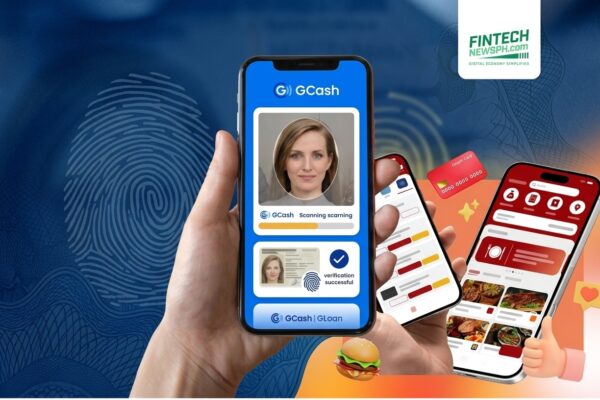
The weakness is that presenting an ID is not necessarily the same as authenticating someone’s identity directly against the government system that issued or maintains that identity.
Globe raised this issue in 2025 when it called for access to a government ID database for SIM registration. The telco said that while operators already used measures such as ID-reading software and facial recognition, they could not determine with complete certainty whether an identity was fake without an authoritative database against which it could be validated.
A National ID-based system could change that.
What biometric National ID authentication would add
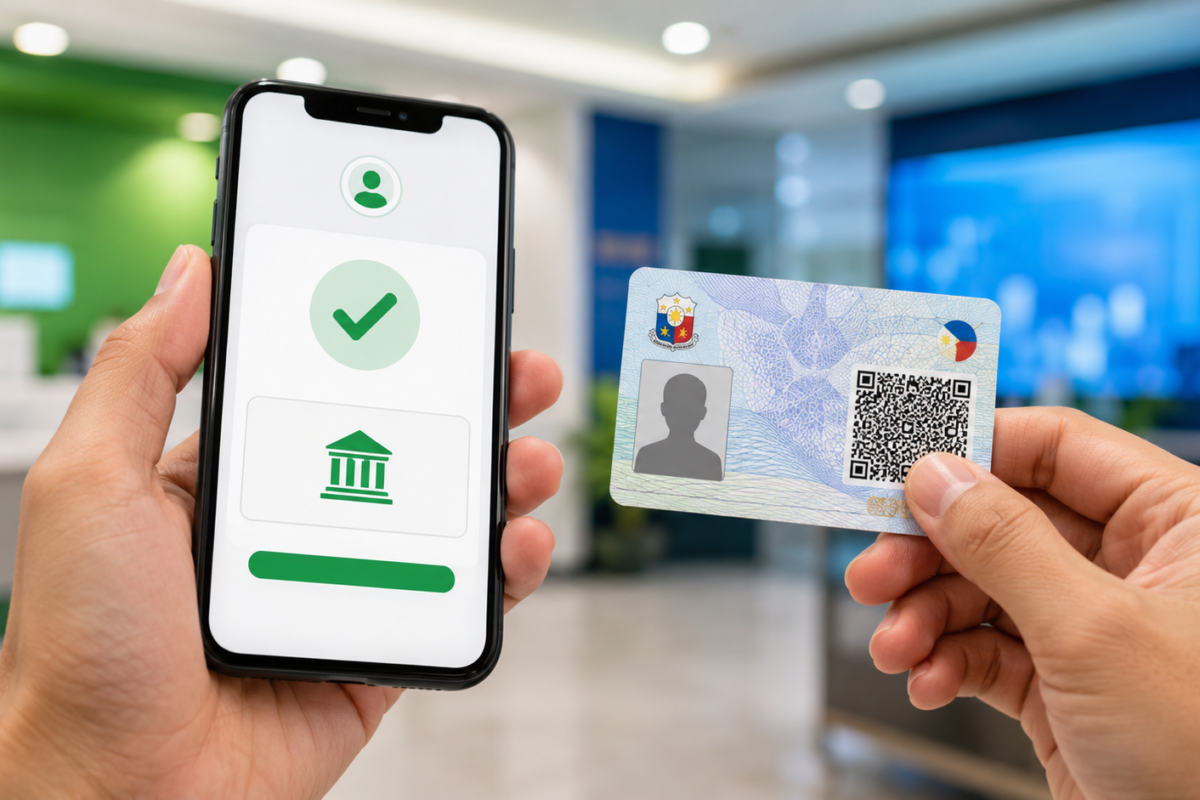
The Philippine Statistics Authority’s National ID infrastructure already supports real-time identity authentication.
Through National ID authentication services, a person’s identity can be checked against the National ID Registry using credentials that can include facial recognition, fingerprints and demographic information. The PSA says higher tiers of authentication validate an individual’s identity in real time against information in the registry.
A future SIM registration flow could therefore look more like:
National ID credential → biometric or facial authentication → real-time registry match → SIM activation.
That distinction matters.
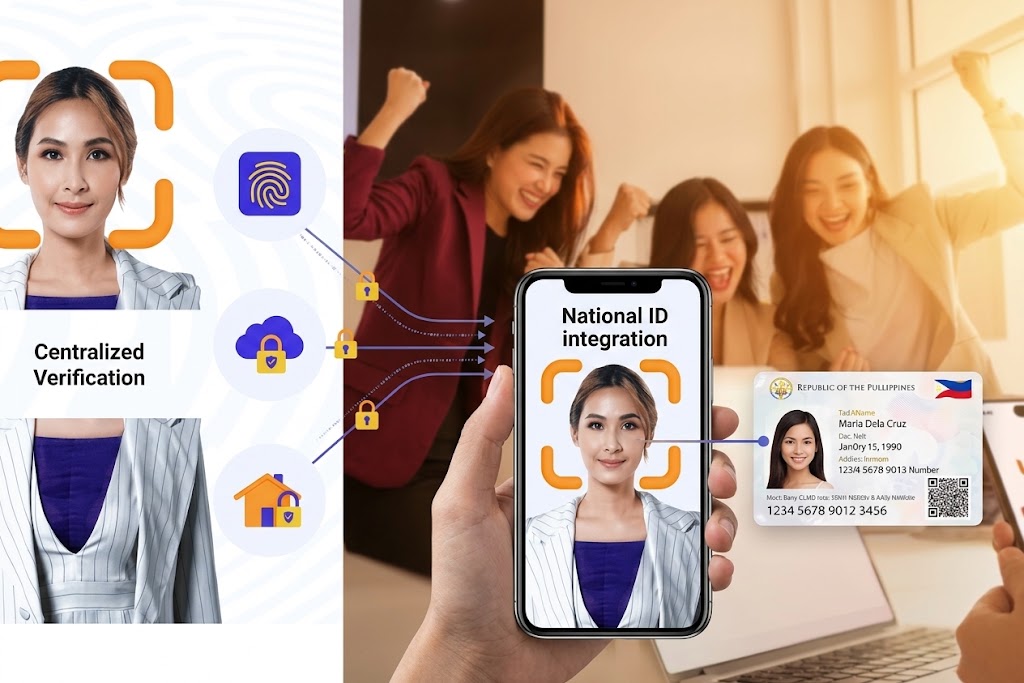
Someone attempting to register a SIM using a fabricated ID image would have to do more than submit a document that looks legitimate. The identity would need to correspond to an actual National ID record and, under a biometric implementation, the person registering would also need to authenticate as that individual.
The revised rules governing the National ID system allow authentication responses to be provided to relying parties and support the use of tokens rather than requiring organizations to store a person’s permanent National ID Number. The system also imposes consent and data-use requirements on entities using authentication services.
For SIM registration, that could significantly raise the barrier against fake identities and fraudulent documents.
Biometrics still cannot tell who uses the SIM tomorrow
There is an important limitation.
Suppose a person registers a SIM using their genuine National ID, completes biometric authentication successfully and then willingly sells the activated SIM to somebody else.
The identity verification worked exactly as designed.
The problem happened afterward.
This is why a SIM being correctly registered does not necessarily prove that its registered owner is the person currently holding or using it.
The existing law already recognizes this risk. Section 7 of the SIM Registration Act says a registered SIM cannot be sold or transferred without complying with registration requirements. The implementing rules also provide penalties for unauthorized sale or transfer of registered SIMs.
The National Privacy Commission had also warned against registering SIM cards for the purpose of selling them after reports of people being offered money in exchange for SIM cards registered under their identities.
That means stronger biometric registration would address only part of the underground SIM market.
Stopping the rest requires controls over transfers, resellers and distribution, as well as enforcement against people knowingly supplying registered SIMs to others.
What would a five-SIM limit actually do?
The proposed five-SIM cap addresses another issue: scale.
If one verified identity can only hold five active SIMs, it becomes harder for one individual to legitimately register dozens or hundreds of numbers under their own name.
But implementing such a limit across all telecommunications companies is more complicated than simply adding a maximum number to each registration portal.
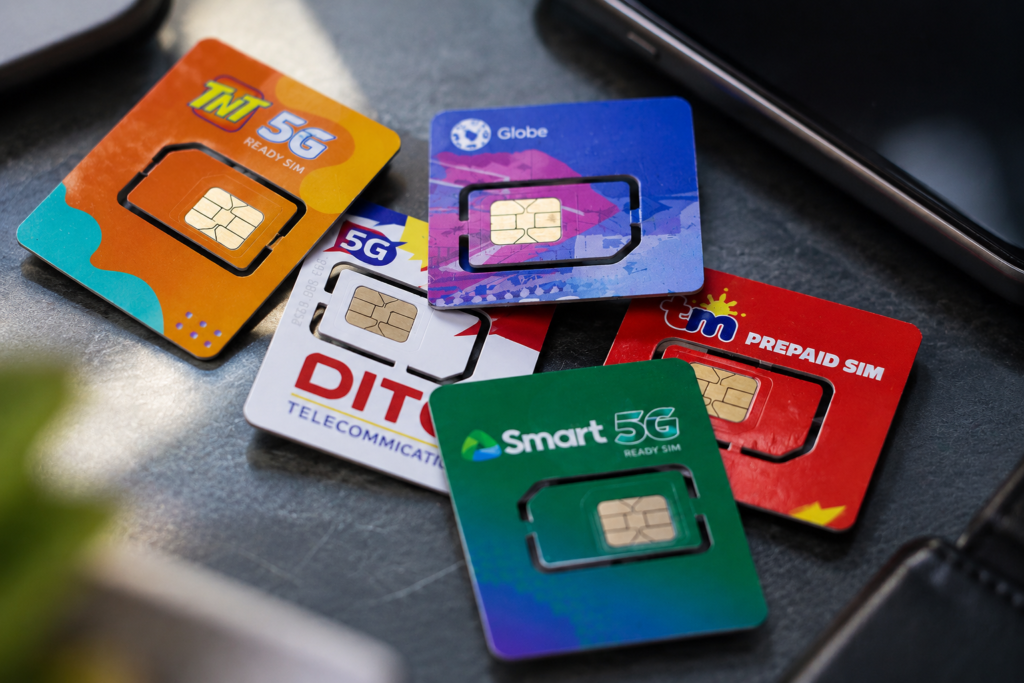
Under the current system, each public telecommunications entity maintains its own SIM register. The NTC has previously said it is not the repository of all registered SIM numbers.
For a nationwide five-SIM cap to work, providers would therefore need some mechanism for determining whether a subscriber already has SIMs registered with other networks.
A National ID-linked identifier or token could potentially provide the common reference needed for that check, but the exact architecture, data-sharing rules and privacy safeguards would have to be defined.
Lawmakers would also have to decide how the cap would apply to legitimate use cases involving multiple personal lines and other categories of SIMs. Current registration rules cover not only mobile phones but also data-only connections, fixed wireless services, machine-to-machine systems and Internet of Things devices.
So would the PNP proposals make scams harder?
Potentially, yes, but not because biometrics would suddenly make scam SIMs impossible.
National ID authentication could close an important identity-verification gap by making it harder to register SIMs using fake documents or identities that cannot be authenticated against a government record.
A five-SIM limit could also make mass registration under a single legitimate identity more difficult.
But neither measure prevents a verified person from deliberately handing over a SIM after registration. Criminal groups could also attempt to obtain SIMs through multiple people rather than concentrating them under one identity.
The Bulacan case is useful precisely because it appears to illustrate both sides of the problem: SIMs allegedly registered using other identities and SIMs that had already been registered before being resold.
A stronger SIM Registration Act therefore has to answer two different questions.
First: Can the system reliably prove who is registering the SIM?
And second: Can it maintain that link between the registered identity and the person actually controlling the number?
Biometrics may substantially strengthen the first answer. The harder policy problem is making sure that identity does not become meaningless the moment an activated SIM changes hands.