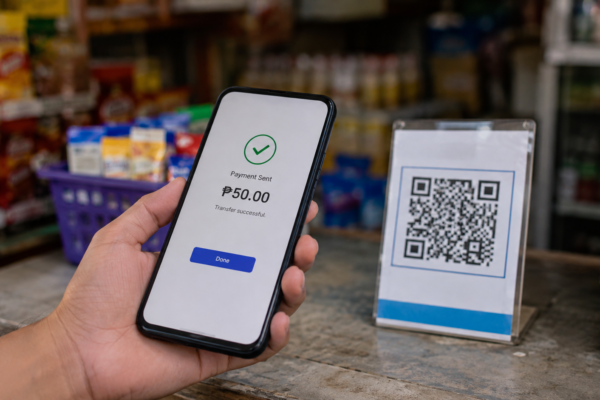
Cashless payments are becoming an increasingly common part of food and parcel deliveries in the Philippines, offering customers a faster way to settle orders without preparing exact change or handling cash.
For delivery riders, however, the equation is more complicated. Digital payment can remove one source of friction while introducing another, from accessing earnings stored in an app to waiting for a QR transaction to clear on a weak mobile signal.
Digital channels accounted for 64.7% of retail payments by volume in the Philippines in 2025, up from 57.4% a year earlier, according to the Bangko Sentral ng Pilipinas’ latest report on electronic payments.
Informal interviews conducted by FintechNewsPH with food and parcel delivery riders encountered during personal deliveries show a range of experiences rather than a single preference. Some riders said cashless transactions make their work easier, while others still see advantages in receiving cash during a shift.
Cashless removes the change problem
For food delivery riders, one of the clearest advantages is avoiding the need to prepare change.
“Mas mabilis talaga pag paid na. Pagdating ko, ibigay ko na lang yung food,” one food delivery rider who mostly handles residential and condominium deliveries said. “Sa cash minsan ₱500 or ₱1,000 yung pera tapos maliit lang order. Ako pa maghahanap ng barya. Nakakadagdag sa oras bawat delivery.”
Another full-time food delivery rider in Metro Manila pointed to a different issue: working capital.
“Mas gusto ko cashless, lalo na kung medyo mahal yung order. Pag cash kasi kailangan mong isipin kung may sapat kang pera pang-abono at kung may panukli ka pagdating sa customer,” the rider said. “Pag cashless, pickup at deliver na lang, tapos pumapasok naman sa wallet yung amount.”
Some delivery platforms have historically distinguished between transactions where riders may need working capital and cashless orders where amounts are credited through a rider wallet or payout system.
But money stored digitally is not always the same as having cash available during a shift.
“Okay sakin cashless kasi wala nang sukli-sukli. Pero ayoko rin puro ‘yun (cashless) buong araw,” another food delivery rider who works long shifts said. “Yung cash na nakukuha ko minsan yun na ginagamit ko pang-gas, pagkain, saka ibang gastos habang bumibiyahe. Pag nasa wallet lahat, kailangan ko pa ilipat or i-cash out.”
For riders spending hours on the road, cash can be inconvenient to collect and carry, but it can also provide immediate money for fuel, meals and other everyday expenses.
QR changes what ‘cash on delivery’ means
The distinction between cash and digital payment is also becoming less clear for orders that are technically still COD.
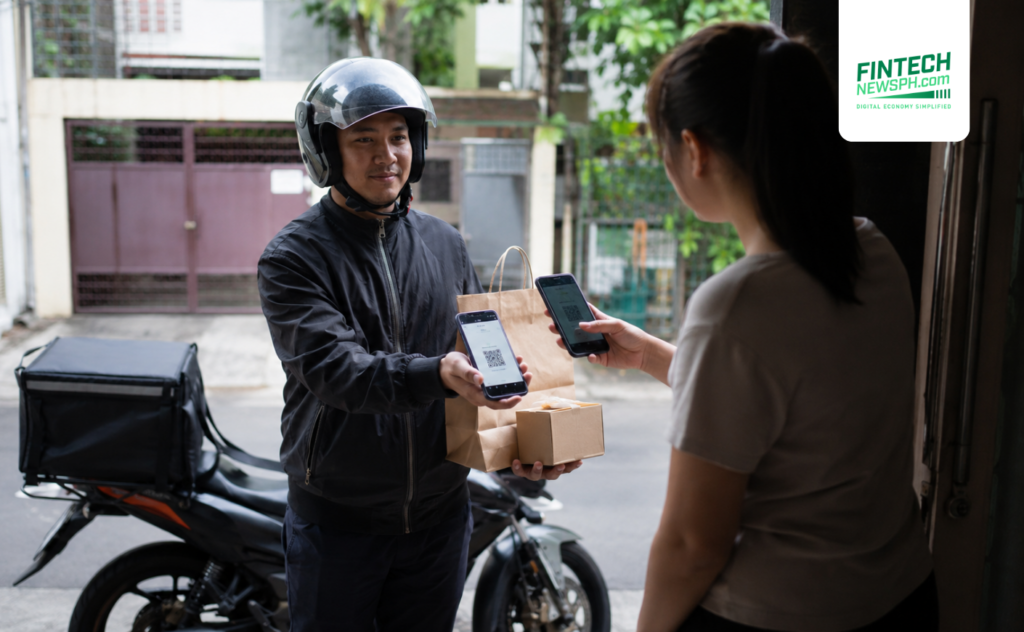
foodpanda has introduced QR-on-Delivery in the Philippines, allowing customers to settle an order at the doorstep by scanning a QR Ph code presented by the rider.
Shopee likewise allows eligible SPX Express COD orders to be paid by scanning a QR Ph code using supported e-wallets and banking apps.
For parcel delivery riders, the appeal can be less about working capital and more about the amount of physical money they have to carry throughout the day.
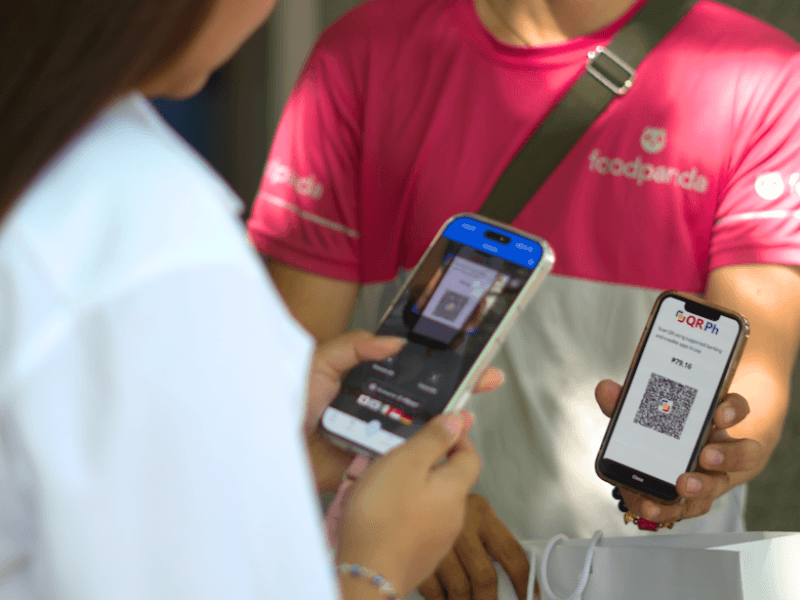
“Pag maliit lang COD okay lang cash. Pero kung maraming parcel at malalaki yung amounts, mas okay sakin QR,” one parcel delivery rider said. “Ayoko rin magdala ng malaking cash buong araw. At least pag digital, wala kang iisipin na pera sa bag mo habang umiikot.”
Another parcel delivery rider said the preference can change as cash collections accumulate.
“May advantage yung cash kasi hawak mo agad at may magagamit ka habang nasa labas. Pero pag marami kang COD, marami ka ring kailangang bantayan,” the rider said. “Hindi naman lahat nung cash sayo. Kailangan tama yung collection at remittance. Kaya kung marami na akong nakolekta, mas gusto ko na yung ibang customer digital.”
The result is a different kind of benefit from the one customers normally associate with QR payments. For a rider completing dozens of deliveries, going digital can also mean having less COD money to track while moving between stops.
Cashless can move friction to connectivity
Digital payment, however, is not automatically faster.
“Okay yung QR basta mabilis yung internet,” a food delivery rider covering areas with inconsistent mobile data said. “Ang problema kapag nag-scan na si customer tapos loading pa sa side niya or hindi pa confirmed sa phone ko. Hindi ko naman puwedeng basta ibigay yung order dahil screenshot lang yung pinapakita. Minsan mas mabilis pa cash kung mahina signal.”
Under foodpanda’s QR payment terms, a transaction is considered complete only after successful confirmation appears on both the customer’s payment app and the rider’s device. If a QR transaction fails because of a technical or network issue, another accepted payment method may be required.
Cashless payment therefore removes the need to find change, but adds a dependence on phones, apps, mobile data and successful payment confirmation.
For some riders, that means the payment method itself matters less than whether the customer is ready.
“Hindi naman ako namimili ng order dahil cash or cashless. Mas importante sakin mabilis ko matapos [ang delivery],” a part-time food delivery rider said. “Kahit cash yan basta exact payment at nandiyan na si customer. Kahit cashless naman, kung aantayin ko pa siya bumaba or maghanap ng phone niya, pareho lang.”
Cash still has one advantage: immediate liquidity
Cashless payment can also affect when and how riders get to use the money they earn.
Delivery platforms typically credit or distribute rider earnings through their respective wallet and payout systems. Depending on the platform, riders may need to transfer, withdraw or cash out those earnings before converting them into physical cash.
That differs from receiving cash directly during a delivery.
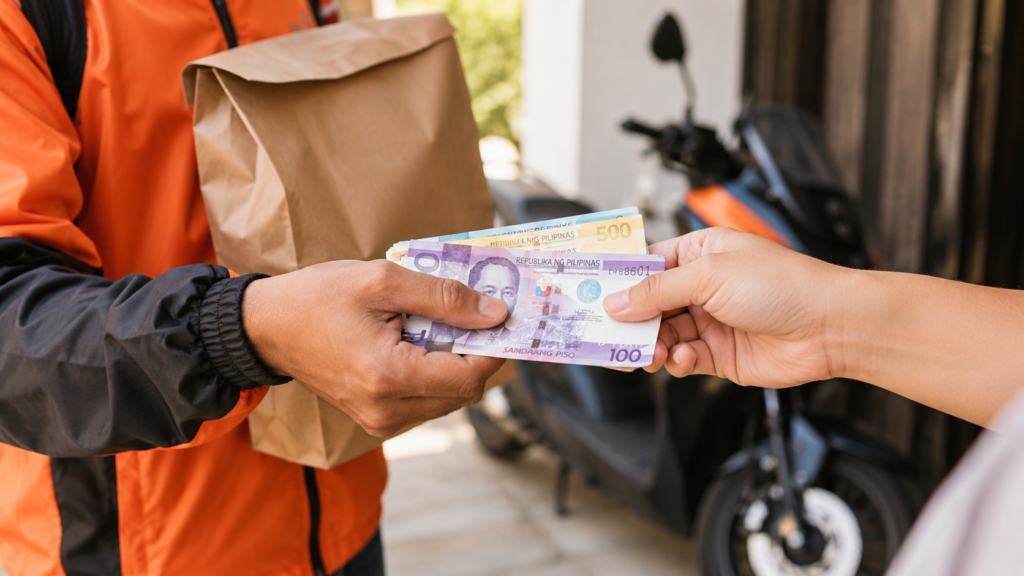
The same trade-off can extend to tips.
“Mas convenient sakin cashless. Pero sa cash minsan may automatic tip na rin dahil sasabihin ni customer, ‘keep the change,’” a food delivery rider said. “Sa online naman may tip din pero kailangan talaga piliin ni customer sa app. So hindi ko masasabi na mas malaki lagi yung isa.”
Some delivery platforms also allow customers to give tips digitally, which are credited to riders through the app.
For riders, convenience means finishing the delivery
Taken together, the riders interviewed for this story saw meaningful advantages in cashless payments, but not necessarily for the same reasons customers do.
Food delivery riders pointed to fewer problems with change and, in some cases, less pressure on working capital. Parcel delivery riders highlighted the advantage of carrying and reconciling less COD cash. QR payments can also make doorstep transactions faster when both the customer and the payment system are ready.
But cash retains an advantage that matters to workers spending long hours on the road: it is immediately usable.
Cashless delivery therefore does not eliminate payment friction. It redistributes it.
A rider may no longer need to find change or safeguard a growing stack of COD collections, but may instead need to transfer earnings out of a wallet, wait for confirmation or deal with poor connectivity.
For delivery riders, convenience ultimately appears to be measured less by whether a transaction is cash or digital and more by a simpler question: which one gets them to the next delivery with the least delay?
Editor’s note: The rider interviews in this article were conducted informally by the writer with food and parcel delivery riders encountered during personal deliveries in Metro Manila. Respondents were informed that their comments may be used for an article. Their names, delivery platforms and other identifying details have been withheld for privacy. Their views reflect their individual experiences and should not be interpreted as representative of delivery riders generally.