

A convincing phone call, a familiar-looking text message or a seemingly legitimate account alert can now be enough to set a digital scam in motion.
As e-wallets and digital payments become increasingly embedded in everyday life, fraudsters are finding new ways to exploit the trust users place in financial institutions and digital platforms. Instead of relying solely on obvious phishing links or suspicious messages, scammers are using social engineering, spoofed websites and increasingly sophisticated voice tactics to make fraudulent interactions appear legitimate.
The threat is already widespread.
A TransUnion report found that 72% of Filipino consumers reported being targeted by digital fraud attempts between August and December 2025, significantly higher than the 53% global figure. The Philippines ranked among the markets with the highest exposure to digital fraud across the 18 countries and regions surveyed.
But the bigger concern is not simply the number of scams. It is how convincing they are becoming.
Fraudsters are increasingly combining social engineering with technology to create interactions that can sound, look and feel legitimate — even to cautious users.
New technologies, new ways of scamming
The shift is already visible in the way digital fraud reaches consumers.
For many victims, a scam can begin with something as ordinary as a text message appearing in their inbox. The sender ID may be designed to resemble that of a bank or e-wallet provider, making the message look like a routine security notification.
The message could warn of an unrecognized login attempt, a pending transaction or suspicious activity from an unfamiliar location. It may then instruct the recipient to reply with a simple word to block the activity or secure the account.
Because the message resembles the automated alerts regularly sent by financial institutions, users may respond without immediately recognizing the deception. This tactic is known as smishing, or SMS phishing.
But scammers are not limiting their approach to text.
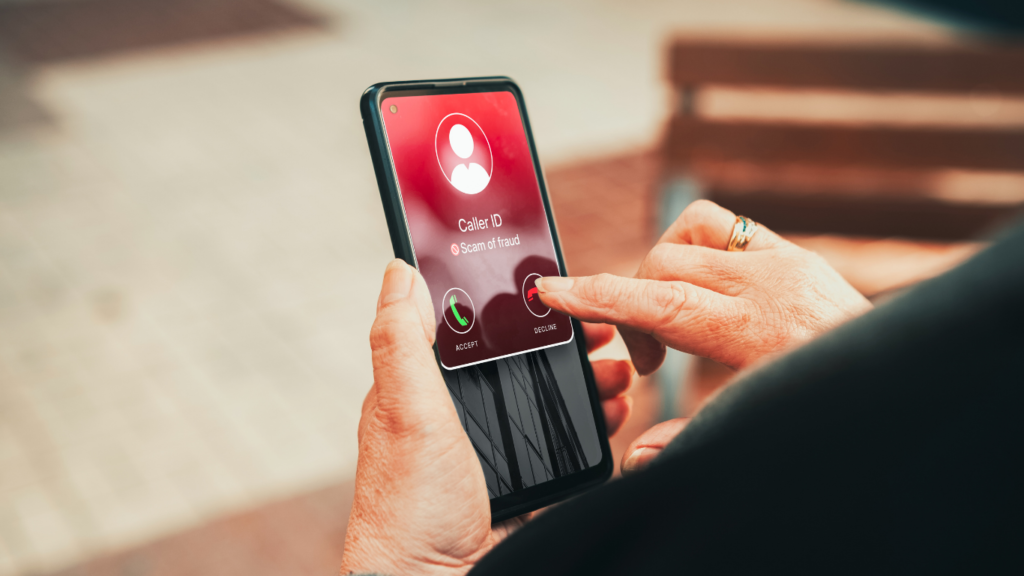
Another increasingly common tactic is vishing, or voice phishing, where fraudsters pose as representatives of banks, e-wallets or other trusted institutions.
The objective is not simply to fool a victim with a fake caller ID. Scammers can use professional-sounding scripts, a calm and authoritative tone, and basic personal information to make the interaction feel like a genuine customer-service call.
That human element can make vishing particularly effective. A user who might ignore a suspicious link could be more inclined to trust a person speaking confidently on the phone and apparently helping to resolve an urgent account problem.
The deception can then move from the phone to a spoofed website.
Rather than asking victims to provide sensitive information directly over the call, a scammer may instruct them to visit what appears to be the bank’s or e-wallet’s website. The fake page can closely replicate the legitimate platform and prompt the user to enter details such as a mobile number, password or PIN.
Once those credentials are entered, the scammer can capture them in real time. The victim may then receive a genuine One-Time Password (OTP) on their phone—creating another opportunity for manipulation.
The caller can ask the victim to read the OTP aloud under the guise of completing the security process. With the credentials and authentication code in hand, the scammer may then be able to authorize an unauthorized transfer before the victim realizes that the entire interaction was designed to steal access to the account.
This is where the threat becomes particularly difficult to detect: the scam does not necessarily look like a cyberattack. It can look like customer service.
When scams also get smarter with AI
Artificial intelligence is adding another layer to this deception.
While financial institutions are using AI to identify suspicious transactions and strengthen fraud detection, criminals are also using the technology to make their scams more convincing.
AI tools can generate realistic voice clones, deepfake video and highly personalized messages, allowing fraudsters to imitate people or organizations with increasing accuracy. What once required sophisticated technical skills can now be produced with tools that are becoming more accessible.
The result is a growing challenge for consumers: the signals people traditionally rely on to identify a scam may no longer be reliable.
A recent study examining vishing scenarios highlighted this challenge. Participants correctly identified synthetic voices only 37.5% of the time, showing how difficult it can be for people to distinguish AI-generated voices from genuine human speech.
The risk is not merely theoretical.
In a case reported in Florida, United States, in July 2025, a mother lost $15,000 after receiving an AI-generated voice call that sounded like her daughter. The caller claimed she had been arrested following a serious car accident and needed money for bail.
The incident illustrates why AI-powered fraud can be particularly dangerous. The technology does not necessarily need to create an entirely new scam. Instead, it can make familiar forms of deception — an urgent phone call, a request for money or a message from someone you trust — far more convincing.
It’s not about proving you’re human anymore
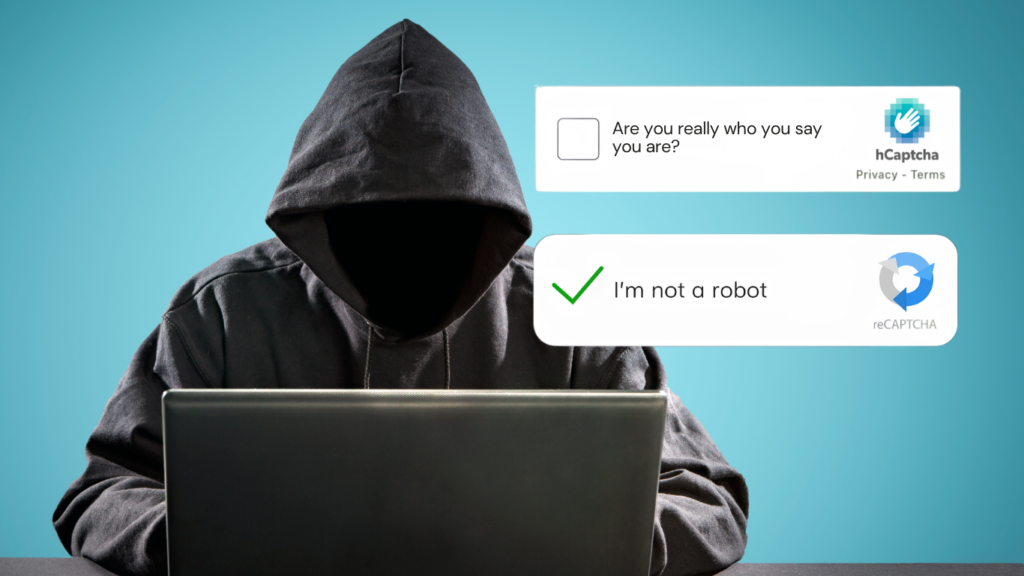
Sometimes, the enemy is closer than you think—and it may even appear to be someone you can trust.
As scams become more convincing, the question is no longer simply, “Are you human?”
It is becoming: “Are you really who you say you are?”
The distinction matters because digital fraud increasingly operates in the space between technology and human trust. A message can look legitimate. A website can appear authentic. A caller can sound professional—or even sound exactly like someone you know.
For consumers, this means staying safe requires more than simply avoiding suspicious links. It requires recognizing that even familiar communication channels can be manipulated.
Financial institutions are continuing to strengthen their defenses, but technology alone cannot eliminate the human element that scammers exploit.
As digital payments become more deeply embedded in everyday life, understanding how these schemes work—and learning to question even seemingly legitimate interactions—may be one of the most important defenses consumers have against the next generation of digital fraud.