
Most businesses today are adopting digital modes of payment, and small businesses are no exception.
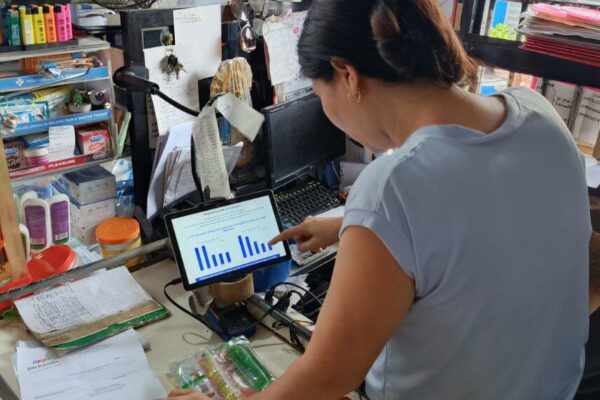
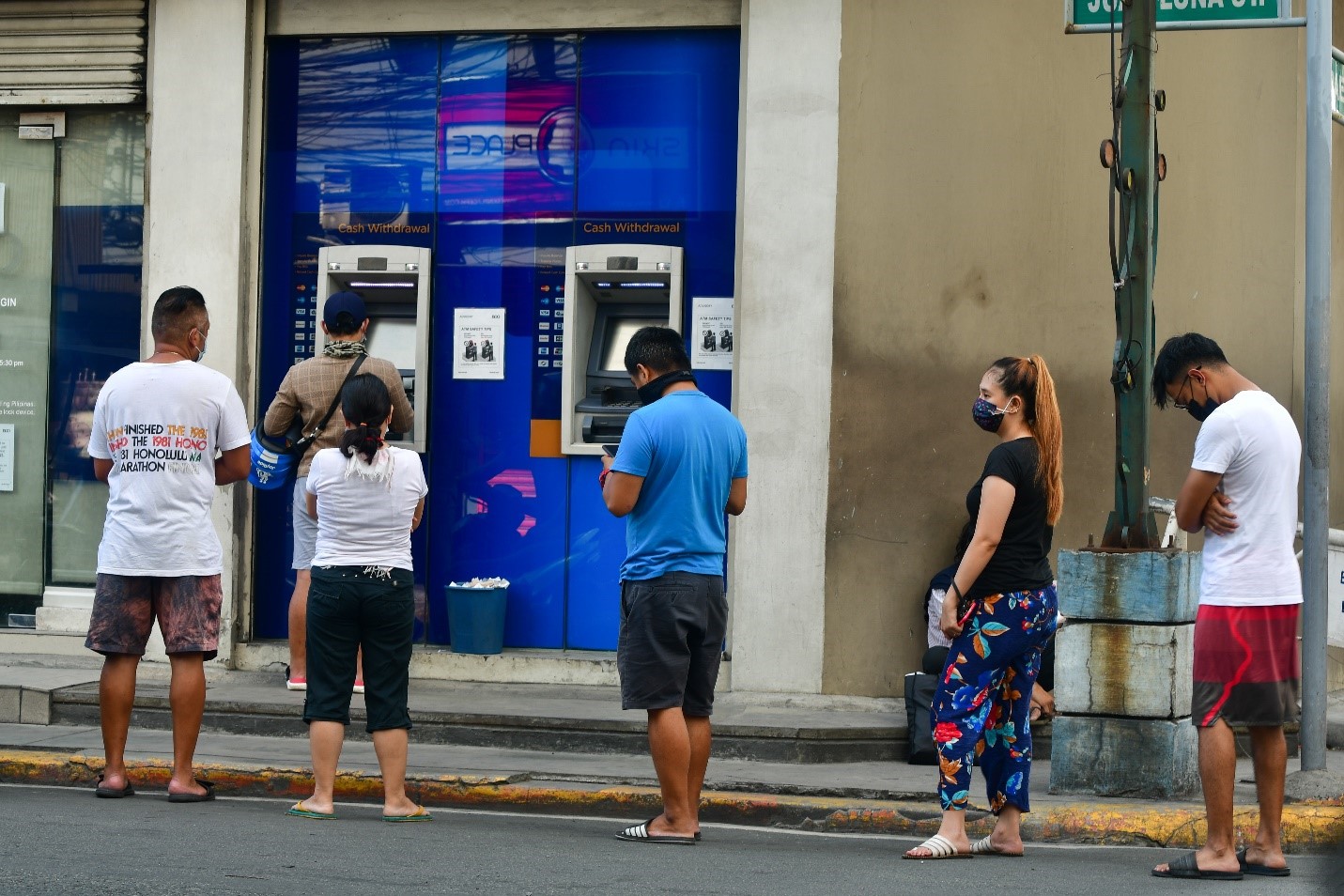
Sari-sari stores, food sellers, freelancers and other microbusinesses are increasingly using digital payments such as GCash and QR Ph as alternatives to traditional cash payments. But unlike larger establishments with dedicated payment systems, many small businesses rely on tools they already have to accept money digitally.
The question is: How do small businesses handle digital payments, especially when they have fewer resources to work with?
The tried-and-tested phone number
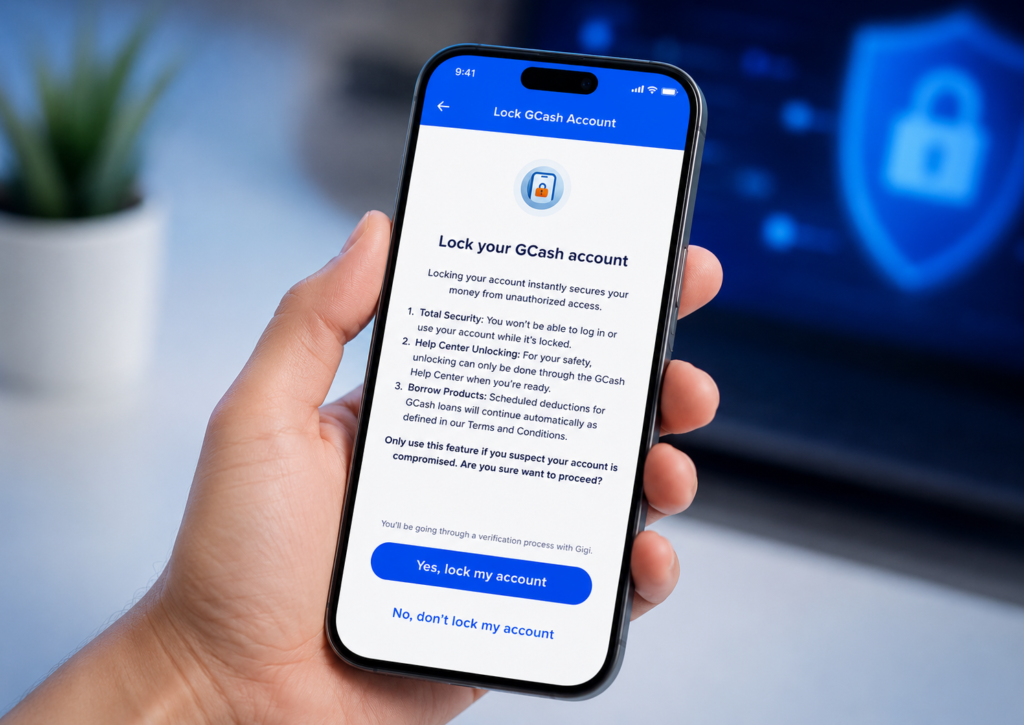
IMAGE CREDIT: GCash
One of the most common ways small businesses accept digital payments is through mobile numbers registered with digital payment apps such as GCash.
Apps such as GCash and Maya allow users and businesses to register accounts using their mobile phone numbers. Once the account is verified, the mobile number can be used to receive and send digital payments.
This setup is common among businesses such as sari-sari stores and small food stalls, whether on the streets, inside malls or in food courts. Some businesses also display their registered mobile number alongside a QR code, giving customers more than one way to pay.
For small merchants, the appeal is straightforward: there is no need to purchase dedicated payment hardware when a smartphone and an existing digital wallet can already handle transactions.
Digital payment through QR
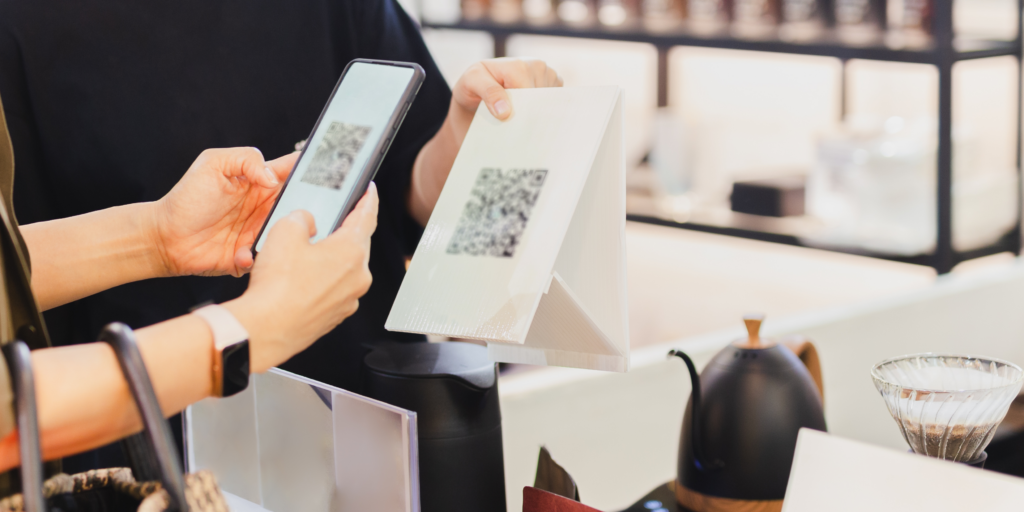
QR codesQR codes have also become a familiar sight among small businesses and are often a more convenient way to accept digital payments.
Entering a registered mobile number manually can be cumbersome, particularly when customers are making payments in a busy store or food stall. With a QR code, customers can scan the merchant’s payment details and enter the amount they want to send.
This also reduces the possibility of sending money to the wrong account because customers do not have to manually type a long mobile number.
For merchants, displaying a QR code can be as simple as printing one out and placing it near the cashier or counter.
The relatively low cost of setting up the system makes QR payments particularly useful for microbusinesses that may not have the resources for more sophisticated payment infrastructure.
Real-time bank transfers
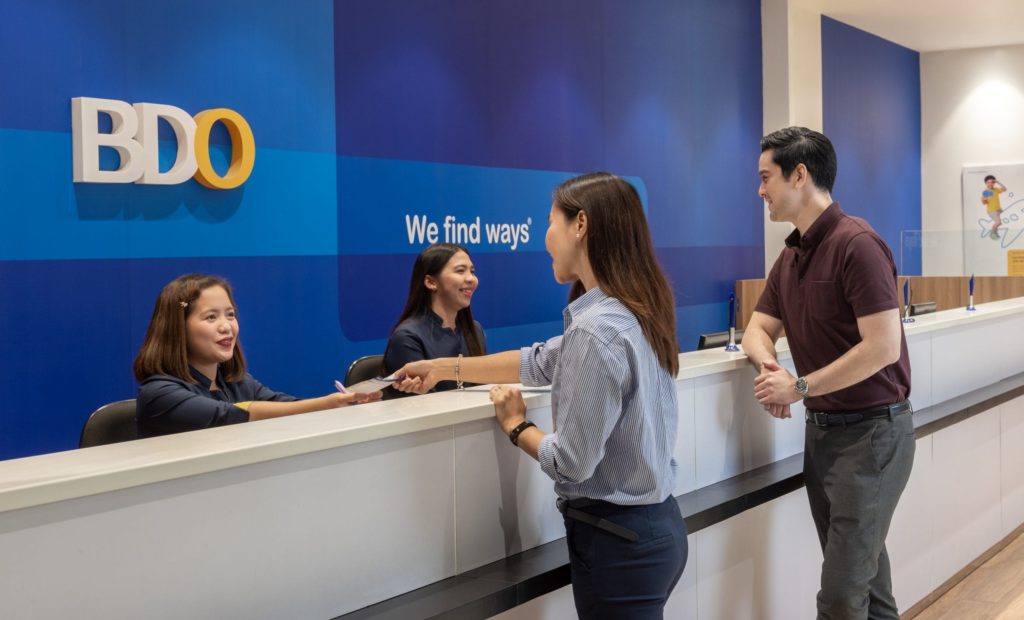
IMAGE CREDIT: BDO
With advances in e-wallet and digital banking technology, direct bank transfers are also becoming an option for small businesses.
Through services such as InstaPay and PESONet, merchants can accept payments through bank transfers using their account details or, where supported, QR codes. The growing interoperability between banks and digital payment platforms means customers are no longer necessarily limited to using the same financial app as the merchant.
The process has also become easier and more convenient as payment providers and financial institutions work to reduce transaction costs and simplify digital transfers.
For a small business, that can make a difference. Every transaction fee adds to operating costs, particularly for merchants dealing with small-value purchases throughout the day.
More on the horizon
Digital payments for small businesses are likely to evolve further as new technologies become more accessible.
At a recent event in Manila, Visa and UMSI announced U Accept, a solution for the uGrow app that allows businesses to use their smartphones to accept contactless card payments.
The technology effectively turns a smartphone into a payment acceptance device, similar to a point-of-sale system, potentially giving smaller merchants another way to accept card payments without investing in dedicated hardware.
That could be particularly relevant for micro and small businesses that have traditionally been left out of card payments because of the cost or complexity of setting up conventional payment terminals.
For many of these businesses, getting started with digital payments does not necessarily require an expensive system. A mobile number, a QR code or a bank account can already provide a basic way to accept digital transactions.
That does not mean traditional cash payments will disappear anytime soon. There are still situations where cash remains the simpler and more convenient option, particularly for small-value transactions.
But the growing availability of digital payment options gives small businesses more ways to accommodate customers without having to match the infrastructure of larger establishments.
Digital payments for small businesses are still a work in progress, and there is room to make them cheaper, simpler and more accessible. But perhaps their biggest advantage is also their simplest one: small businesses can increasingly participate in digital commerce using tools they already have.