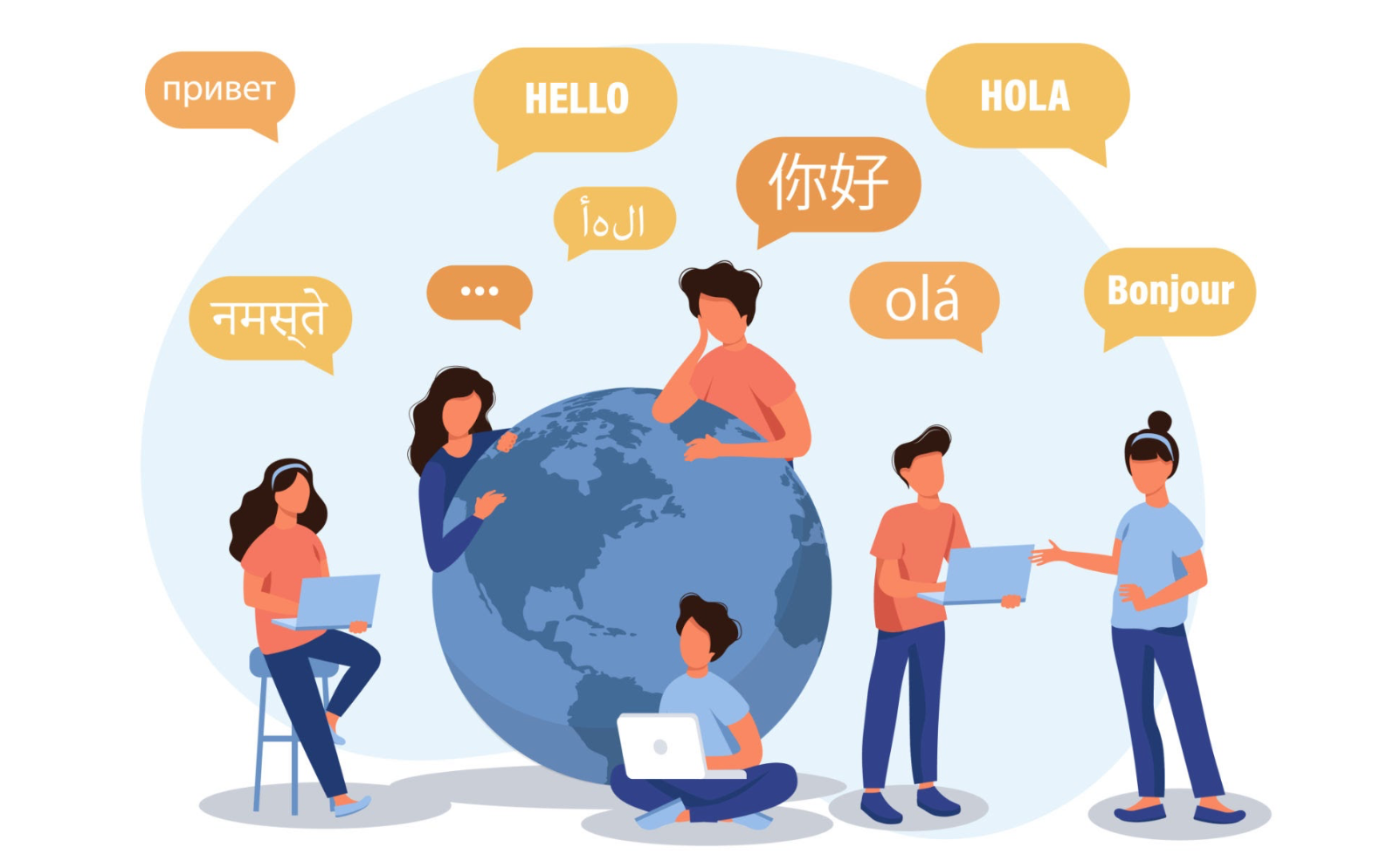
Google is making a significant push to ensure artificial intelligence (AI) is not just for English speakers, announcing in a recent media briefing a series of new initiatives and partnerships aimed at greater language inclusivity.
These efforts are particularly relevant to the Philippines and the wider Southeast Asian region, where linguistic diversity presents a unique challenge for AI development.

At the core of the problem is the fact that most AI tools are predominantly trained on English data, which limits their effectiveness in processing local languages. Google’s new projects, including Project SEALD, Project Vaani, and a collaboration with Japan’s Yoshimoto Group, are designed to close this gap.
Building a digital home for Southeast Asian languages
A cornerstone of this effort is Project SEALD (Southeast Asia Languages in AI Development) and its open-source counterpart, Aquarium.

“At Google, we believe that for AI to be truly global, it must be inclusive of every language and culture. That’s why our new initiatives, like Project SEALD and our open-source platform Aquarium, are foundational to our mission,” says Pratyusha Mukherjee, APC Lead, Gen AI and SEA Research Partnerships, Google.
“By building a digital repository of Southeast Asian languages, we’re not only empowering local developers and researchers to create AI tools that reflect their unique cultures but also improving access to information and services in people’s preferred languages. Ultimately, we want to ensure no language is left behind in the digital era, and that Filipino tech professionals and creators have the tools to share their stories with the world,” she added.
This project is building a comprehensive online repository of language data from across Southeast Asia, a region with over 1,200 languages. In partnership with organizations like AI Singapore, Google is creating this central “Aquarium” to be a resource for local researchers and developers.
For the Philippines, this could lead to a new generation of AI applications that understand the nuances of Tagalog, Cebuano, Ilocano, and other local languages.
This includes more sophisticated voice assistants and translation tools that accurately capture local idioms and contextual meaning. Ultimately, this will improve access to information and services in Filipinos’ preferred languages and create new opportunities for local tech professionals to develop solutions tailored for their communities.
Lessons from India: The power of Project Vaani

While focused on India, Project Vaani provides a powerful blueprint for linguistically diverse nations like the Philippines, as it sets a precedent for building future AI models that can effectively cater to the intricate linguistic tapestry of such countries.
In partnership with the Indian Institute of Science (IISc) Bangalore, Google is building a massive, open-source collection of speech data for India’s many districts, including languages that have never been digitized.
The project’s data collection is led by Professor Prasanta Kumar Ghosh, who has developed a unique method where his team travels to different districts, shows local people a picture, and records their descriptions.
This creative approach has already gathered over 16,000 hours of speech data, and the team is open-sourcing this corpus to demonstrate the immense potential of investing in diverse language data collection.
In highlighting the need for this meticulous and localized approach, Professor Ghosh stated, “India is not one language and not even several dialects, it’s a continuum of languages, which requires a lot of research and development.”
Breaking down barriers with AI in entertainment

In an innovative application of AI, Google is partnering with Japan’s Yoshimoto Group to popularize Japanese comedy globally.
The project uses a specialized AI translation system called “CHAD 2,” powered by Gemini 2.0 Flash, which can transcribe and translate comedic content with a remarkable 90% accuracy.
This initiative highlights AI’s potential to break down cultural barriers. Applied to the Philippines, this technology could unlock new opportunities for the country’s vibrant creative industries, enabling the unique wit and humor of Filipino creators to be more easily understood and appreciated by international audiences.
These foundational steps from Google aim to make technology more accessible, useful, and engaging for every Filipino, ushering in a future where AI truly communicates in every language.