
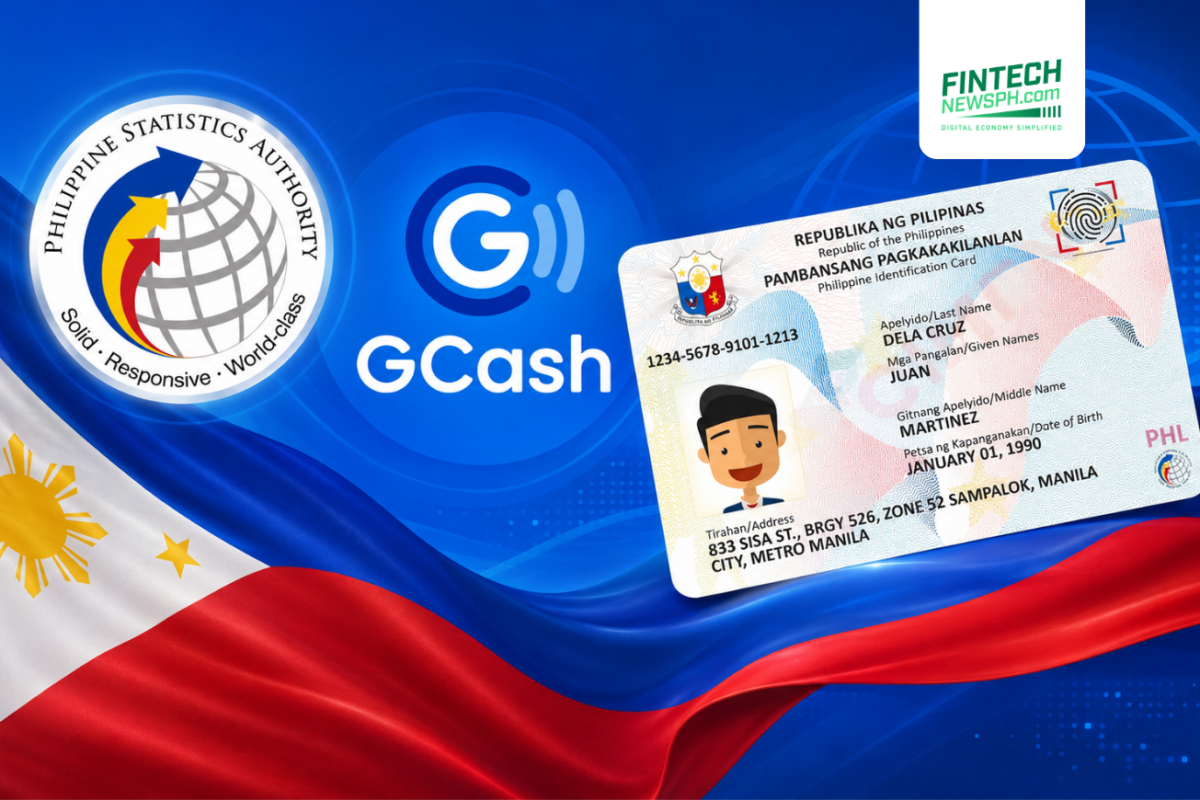
The lack of a valid government-issued ID remains a major barrier for Filipinos trying to access formal financial services. To help address this gap, the Philippine Statistics Authority (PSA) and GCash are bringing National ID registration and digital financial services directly to communities.
The partnership combines National ID registration with e-wallet onboarding through mobile pop-up stations, giving Filipinos an opportunity to secure a valid ID and gain access to verified digital financial services in a single community-based initiative.
Since the program began in mid-2025, more than 2,000 Filipinos across over 25 communities have reportedly received their National IDs and opened verified GCash accounts through the initiative.
Bringing digital finance closer to communities
For many Filipinos, the first hurdle to entering the formal financial system is not necessarily access to a smartphone or internet connection. It can simply be having the documents required to verify their identity.
A BSP study cited in the initiative found that around 40% of Filipino adults without a bank account identified the lack of proper identification as a barrier.
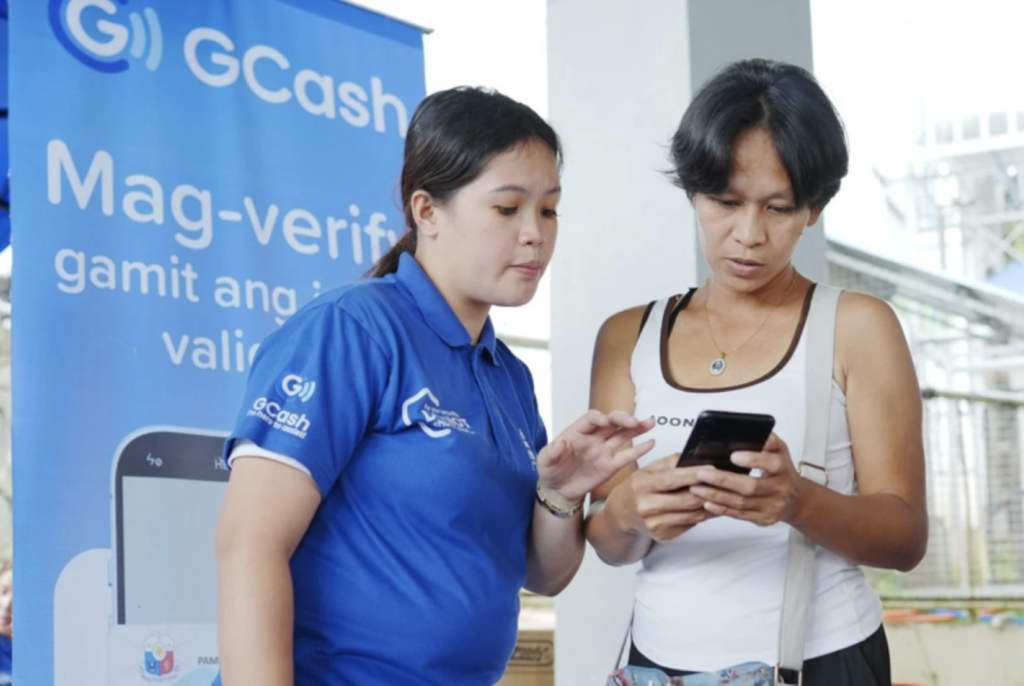
Mutya (right) sets up her GCash account with help from a staff member (left) after completing her National ID registration.
By bringing registration services directly to barangays and other communities, PSA and GCash aim to reduce the distance between Filipinos and the documentation needed to participate in the digital economy.
The approach is particularly relevant for people who may find it difficult to travel to government offices or financial institutions to complete registration requirements.
One ID can open more financial opportunities
For beneficiaries, obtaining a National ID can go beyond having another government document.
A verified identity can make it easier for Filipinos to access digital financial products and services that require identity verification, including e-wallets, payments, savings, credit, and other financial tools.
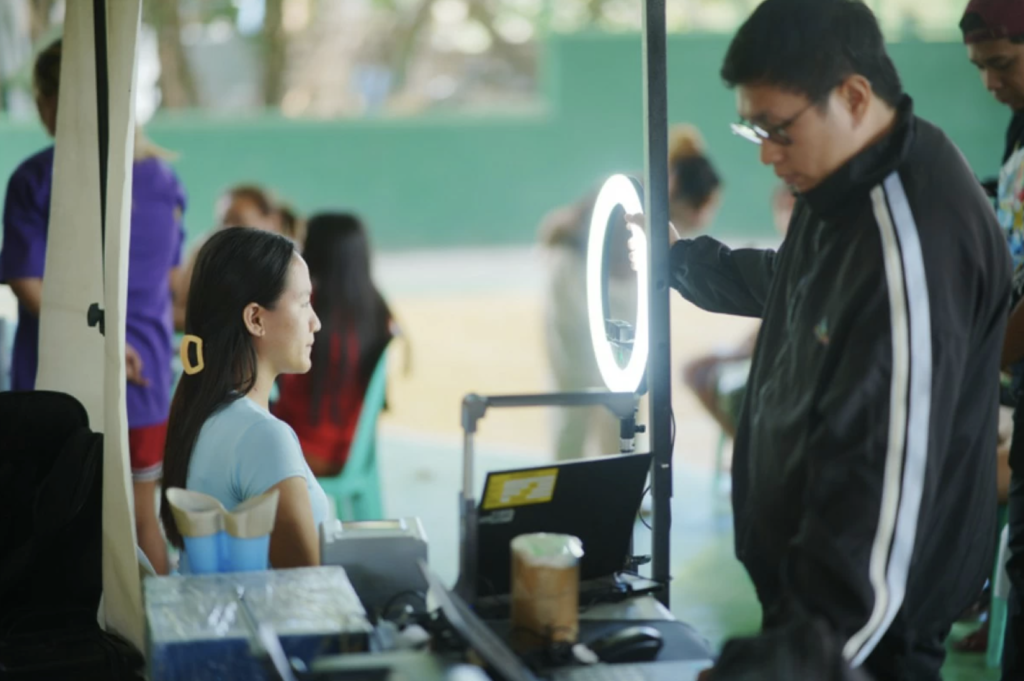
Danielle has her photo taken as part of her National ID registration, a step that will allow her to access digital financial services and new opportunities in the digital economy.
One beneficiary, 19-year-old street vendor Danielle, was able to secure her National ID and use GCash for sending money, saving for school, and exploring small-business financing through Fuse Financing.
For Filipinos earning from informal work or small businesses, these services can provide additional ways to manage income and potentially build a financial track record.
From household finances to small businesses
The partnership is also creating opportunities for Filipinos who want to turn digital financial tools into sources of income.
Alma, a housewife from Bulacan, plans to start a bill payment service in her neighborhood after securing her National ID and gaining access to the GCash Pera Outlet Plus app.
Her story illustrates how digital financial inclusion can extend beyond consumers simply using an e-wallet for payments. Access to verified digital platforms can also support people looking to provide financial services within their own communities.
For others such as Eldie Mutya, having access to digital financial services means being able to send money to loved ones without having to make potentially difficult trips to physical remittance outlets.
Building a more inclusive digital economy
The PSA-GCash initiative highlights how identification can serve as a foundation for broader financial inclusion.
With a verified identity, Filipinos can potentially access services that help them send and receive money, pay bills, save, borrow, and support small businesses.
Ren-ren Reyes Jr., CEO of G-Xchange, emphasized the importance of giving Filipinos access to valid identification as a first step toward opportunities in education, entrepreneurship, and better money management.
The partnership ultimately points to a simple but important reality: digital financial inclusion cannot happen if people are unable to prove who they are.
By bringing National ID registration and e-wallet onboarding closer to communities, PSA and GCash are attempting to remove one of the earliest barriers between Filipinos and the digital financial system.
For Filipinos in underserved communities, getting an ID may be more than completing a government requirement. It could be the first step toward accessing the digital tools they need to manage money, pursue opportunities, and participate more fully in the country’s growing digital economy.