

PLDT, the telecom giant, is moving beyond experimental AI use cases, embedding Microsoft 365 Copilot directly into daily operations across its finance, customer service, and HR divisions.
Telecom leader PLDT and its mobile subsidiary Smart Communications are taking a decisive step into operational artificial intelligence, expanding their partnership with tech giant Microsoft to integrate AI across their entire enterprise workflow.
The move builds on an initial deployment of 1,000 Microsoft 365 Copilot seats, signalling a transition from isolated tech trials to full-scale operational adoption within the group.
Rather than treating AI as a standalone IT project, PLDT and Smart are embedding the tool directly into daily employee routines—ranging from automated document drafting and meeting summarization to complex data analysis and real-time decision support.
Rewiring enterprise workflows
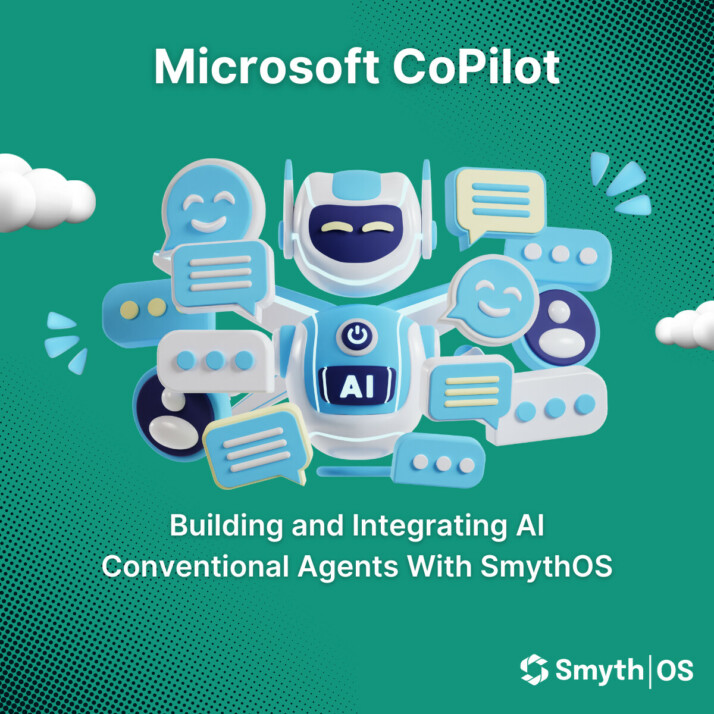
IMAGE CREDIT: Smyth/OS
The impact of the integration is already taking shape across various business units. In finance and procurement, automated data synthesis has significantly sped up audit and review processes.
Meanwhile, customer-facing divisions are using Copilot to process customer feedback loops faster, aiming for quicker, more consistent resolution times.
Across HR and internal administrative teams, routine administrative tasks that previously consumed hours are being streamlined, allowing staff to pivot toward higher-value strategic initiatives.
“Our partnership with Microsoft allows us to accelerate this transformation at scale, embedding AI into everyday processes and building new capabilities across the organization,” said Gilbert Gaw, First Vice President and Head of Information Technology and Transformation at PLDT and Smart. “This is about driving real impact, improving how we work, and unlocking new opportunities for innovation.”
Focus on governance and scaling
To ensure long-term utility, the group is pairing software deployment with structural governance, employee upskilling, and performance metrics. The foundation aims to pave the way for more sophisticated enterprise applications down the line, particularly in network automation, enterprise solutions, and AI-driven infrastructure management.
“What stands out about the PLDT Group’s approach is that they’re focusing on real work and real outcomes,” noted Mayank Wadhwa, ASEAN President at Microsoft. “They’re embedding AI into the flow of everyday work, unlocking meaningful productivity gains while building long-term capability across the organization.”
As digital transformation accelerates across Southeast Asia, PLDT and Smart’s enterprise-wide rollout positions the company not just as a traditional connectivity provider, but as an early blueprint for large-scale corporate AI integration in the Philippines.