

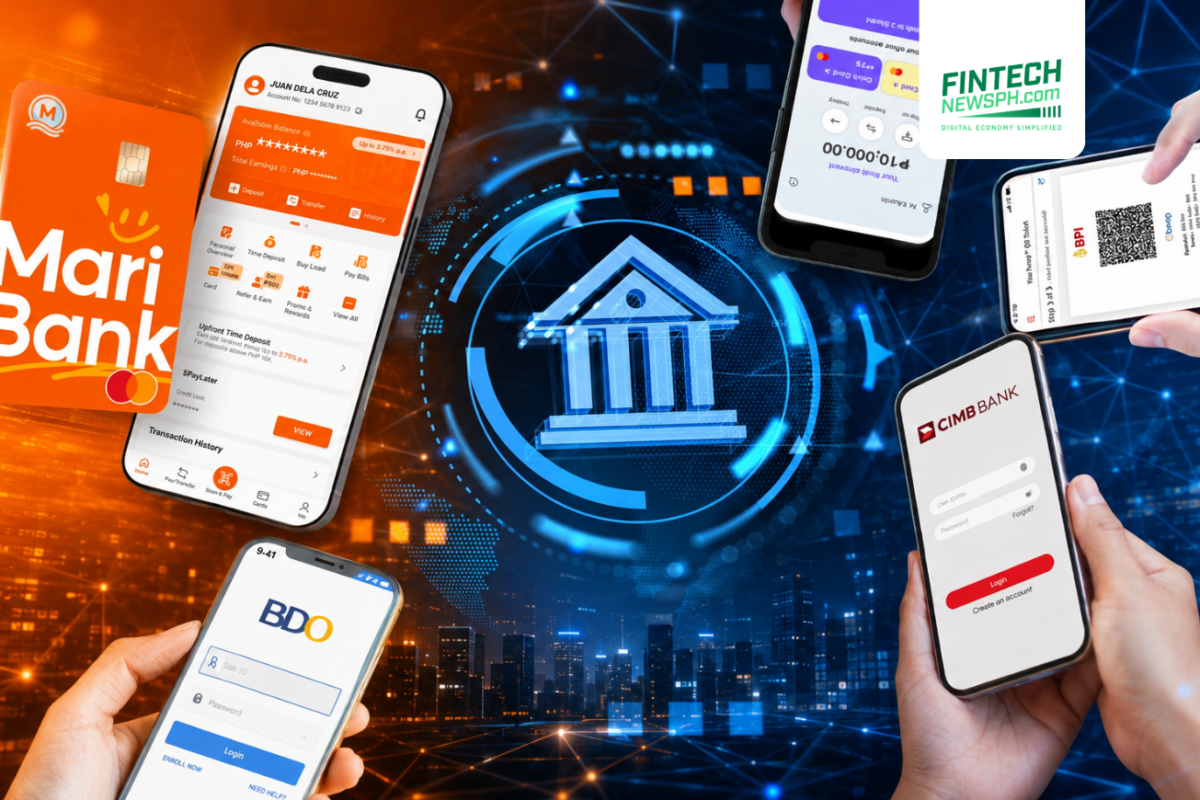
The Philippines’ digital banking race has entered a new phase.
With MariBank Philippines Inc. officially becoming the country’s seventh licensed digital bank, the market is now three players away from reaching the Bangko Sentral ng Pilipinas’ (BSP) current ceiling of 10 digital banks.

The development is more than a regulatory milestone for the former SeaBank Philippines. It potentially changes the competitive landscape for deposits, savings products and customer acquisition as existing digital banks prepare for more challengers and prospective entrants compete for the remaining licenses.
For consumers, that could mean more choices. For banks, it could mean an even more expensive fight for deposits.
MariBank’s conversion changes the competitive map
MariBank did not enter the digital banking market from scratch.
The bank was already operating as a rural bank, serving customers through a largely digital model. The BSP approved its request to upgrade its license from a rural bank to a digital bank, with the transition formally making MariBank the seventh institution in the category.
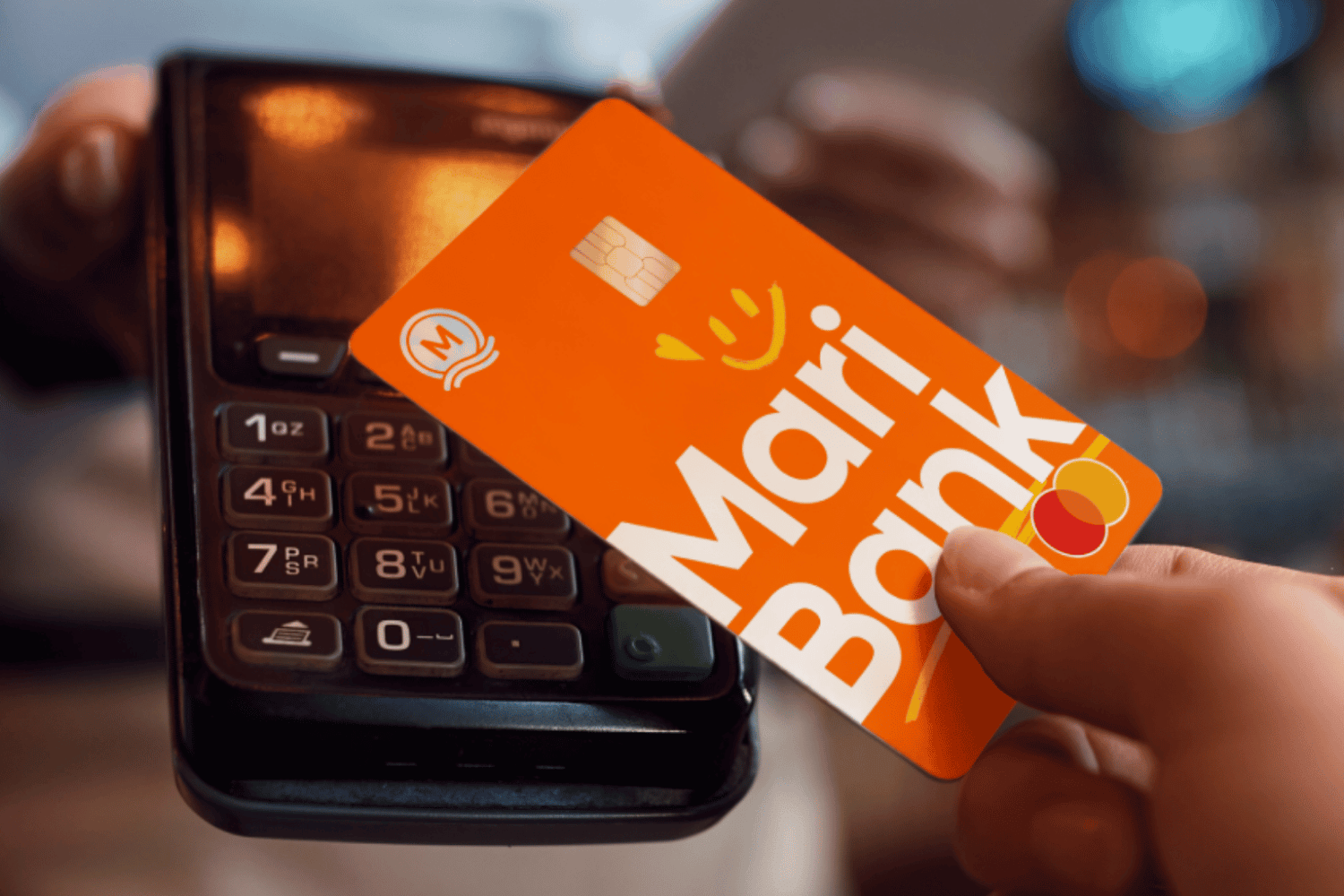
That distinction matters because MariBank already has an established customer base and digital banking infrastructure.
Its existing proposition has included savings products, daily interest crediting, free transfers and other digital-first features.
In other words, the latest development does not simply add another new name to the market. It gives an established digital banking player a stronger regulatory position from which to expand.
The deposit war is about to get more interesting
The biggest battleground may be deposits.
Digital banks have relied heavily on attractive interest rates, rewards, cashback, free transfers and other incentives to convince Filipinos to move money from traditional banks or competing digital platforms.
That strategy has already reshaped the Philippine banking landscape.
The six digital banks operating before MariBank’s conversion had collectively built substantial deposit bases, demonstrating that consumers are increasingly willing to move their savings into app-based banking platforms.
MariBank’s entry raises the pressure on those institutions to keep their offers competitive.
For customers, this could translate into more aggressive savings rates, promotional rewards and bundled financial services. But for banks, constantly offering higher returns or costly incentives can put pressure on margins, especially when the industry is still working toward sustainable profitability.
Three slots could bring three very different competitors
The BSP’s 10-bank ceiling means only three slots remain.
That limited supply could make the next phase of licensing particularly significant. Prospective applicants are not simply competing to become another digital bank. They are competing for a place in an increasingly crowded market where established players already have millions of customers and increasingly broad product ecosystems.
The remaining entrants could also bring different business models into the sector.
A new digital bank backed by a major financial institution could leverage an existing customer base. A technology company could bring a large digital ecosystem. A foreign financial technology player could introduce a different approach to savings, payments or cross-border services.
That makes the final three slots potentially more consequential than their number suggests.
The battle is moving beyond high interest rates
The early digital banking playbook was relatively straightforward: attract customers with convenience and better rates.
That is becoming harder to sustain.
Today’s digital banks increasingly compete through broader ecosystems. Savings accounts are being connected with payments, lending, investments, insurance, shopping, rewards and other financial services.
MariBank itself sits within the wider Sea Limited ecosystem, giving it potential access to a large digital consumer base through businesses such as Shopee.
This means the next stage of competition may not be determined solely by who offers the highest savings rate.
The bigger question is which bank can make customers keep more of their financial lives within its ecosystem.
What this means for Filipino savers
For consumers, more competition can be a positive development.
Banks have greater incentives to improve their apps, introduce new products, offer competitive rates and make everyday banking more convenient.
But savers should also look beyond headline interest rates.
A higher advertised rate may come with conditions, transaction limits or promotional periods. Customers should consider how long a rate is guaranteed, whether there are balance caps, how interest is calculated and what other fees or requirements apply.
The growing number of digital banks also makes it more important for consumers to compare products based on their actual financial habits rather than simply choosing the bank offering the highest promotional rate.
The race to 10 is only part of the story
MariBank’s conversion brings the Philippines one step closer to the BSP’s 10-bank digital banking ceiling. But reaching 10 licensed players does not necessarily mean the market will stop evolving. The more important question is what happens after all the slots are filled.
By then, the Philippines could have a digital banking market where scale matters more, customer acquisition becomes increasingly expensive and weaker business models struggle to compete.
For existing banks, MariBank’s arrival is another reminder that digital banking is no longer an emerging side of the financial system. It is becoming a core battleground for deposits and customer relationships.
For the three prospective entrants still waiting for their chance, meanwhile, the opportunity is getting smaller, but the potential prize is getting bigger.
With MariBank now holding the seventh spot, the race to 10 is no longer about how many digital banks the Philippines can have. It is about which players can win when the deposit war gets even more crowded.