

Maya’s move signals how ESG is becoming embedded into everyday financial products, not just corporate reporting.
For years, fintech innovation has focused on faster payments, digital banking, and financial inclusion. Now, sustainability is beginning to shape the products themselves.
Maya has started issuing prepaid payment cards made entirely from recycled Polyvinyl Chloride (rPVC), making recycled materials the default for all newly produced prepaid cards by the end of the year.
While the cards function exactly like their predecessors, the transition reflects a broader shift taking place across financial services, where environmental sustainability is becoming increasingly integrated into product design rather than remaining confined to corporate social responsibility initiatives.
The rollout covers Maya-issued prepaid Mastercard and Visa cards, which can be used for ATM withdrawals and purchases at more than 150 million merchant locations worldwide.
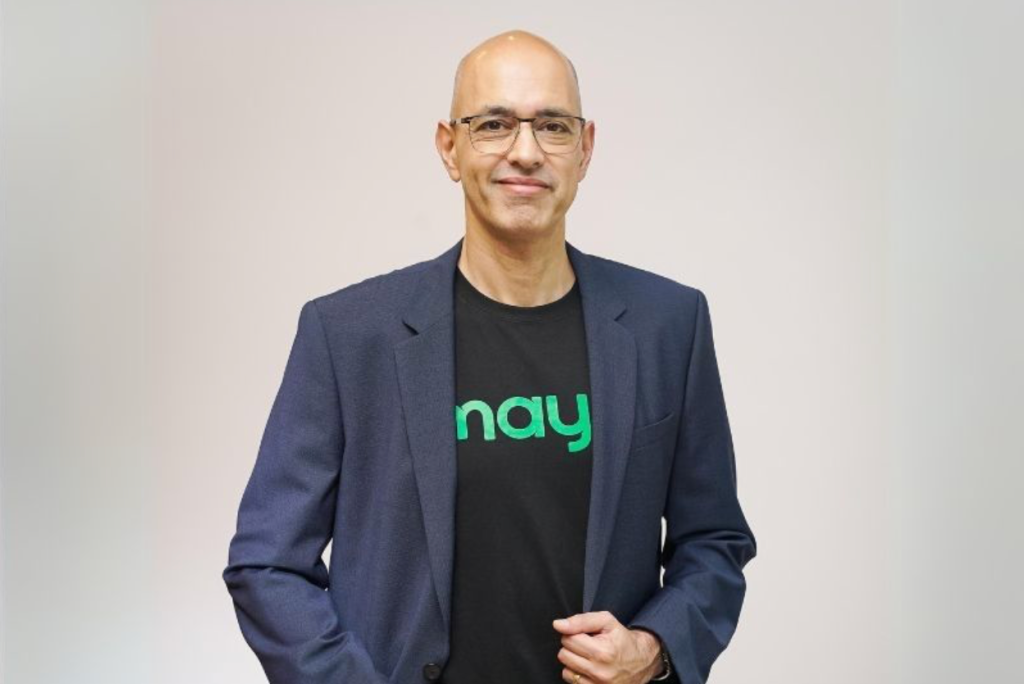
Shailesh Baidwan, Group President of Maya and Co-Founder of Maya Bank
Newly issued cards will carry a “Made from 100% Recycled Plastic” mark while maintaining the same security features, durability, and payment capabilities.
“The most meaningful sustainability efforts are often the ones that become part of how a business operates,” said Shailesh Baidwan, Group President of Maya and Co-Founder of Maya Bank.
“By transitioning our card portfolio to recycled plastic, we’re integrating more responsible practices into products used by our customers every day. It reflects our belief that sustainability should be embedded into how we build and grow our business.”
ESG moves from policy to product
The recycled card rollout reflects a broader trend across global banking and payments, where financial institutions are increasingly embedding environmental, social, and governance (ESG) principles into customer-facing products.
Rather than limiting sustainability initiatives to operational improvements, banks are beginning to rethink how everyday financial tools — from payment cards to digital platforms — can support broader environmental objectives.
For Maya, the initiative forms part of a wider sustainability strategy encompassing financial inclusion, responsible innovation, customer trust, employee well-being, and environmental stewardship.
IMAGE CREDIT: Freepik
The company said it has monitored and reduced its Scope 1 and Scope 2 greenhouse gas emissions since 2022 while implementing workplace initiatives aimed at reducing energy consumption and single-use plastics through its employee-led #MayaSWITCH program.
Fintech’s next competitive edge?
The initiative also illustrates how sustainability is becoming another area of differentiation within Philippine fintech.
As digital financial services mature, institutions are increasingly competing not only on speed, convenience, and security, but also on how responsibly they build and operate their platforms.
For customers, the transition requires no change in how they use their cards.
For the industry, however, it signals that sustainability is gradually becoming part of the fintech value proposition.
As Maya continues expanding its digital financial ecosystem, the company says it remains committed to creating long-term value through innovation that is inclusive, secure, and environmentally responsible.