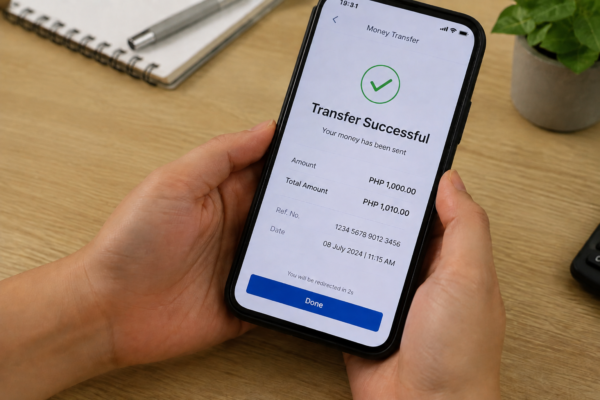

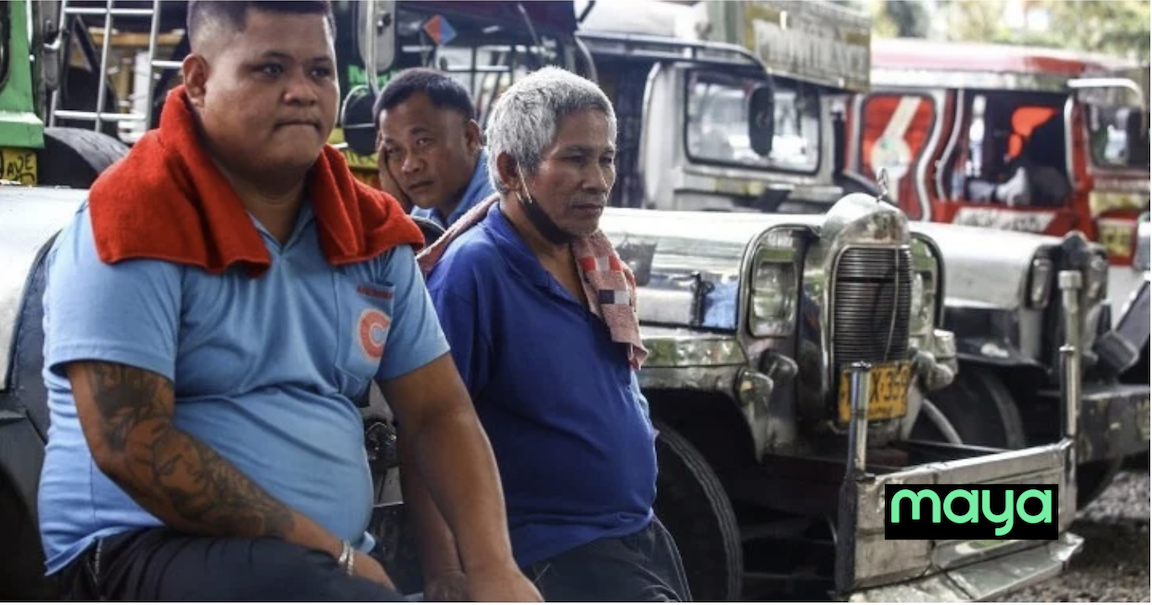
The Land Transportation Franchising and Regulatory Board (LTFRB) has partnered with Maya to digitally distribute fuel subsidies to eligible public utility vehicle (PUV) drivers and operators, marking another step in the government’s broader push toward digitalizing social assistance and public service delivery.
Under the Fuel Subsidy Program, qualified beneficiaries can receive government assistance directly through their Maya accounts, providing an alternative to traditional over-the-counter and manual payout mechanisms.
The move comes as the government seeks to cushion the transport sector from the impact of rising fuel prices and continued market volatility, particularly amid geopolitical tensions in the Middle East that have contributed to uncertainty in global energy markets.
The program covers drivers and operators across several transport sectors, including public utility jeepneys (PUJs), UV Express units, taxis, and minibuses. Maya said it has already completed the first batch of subsidy disbursements to beneficiaries.
Digital disbursements advance financial inclusion goals
The partnership highlights how digital financial platforms are increasingly being used as channels for government-to-person (G2P) payments, enabling faster distribution of aid while reducing administrative bottlenecks associated with physical disbursement processes.
According to LTFRB Chairperson Atty. Vigor D. Mendoza II, digital channels can help improve both the efficiency and accessibility of government assistance programs.
“Digital disbursement helps make the release of assistance more efficient and accessible for our transport sector beneficiaries, while also supporting broader efforts to modernize public service delivery,” Mendoza said.
While Maya serves as the disbursement platform, beneficiary identification and validation remain under the jurisdiction of government agencies, including the LTFRB, to ensure that assistance reaches qualified recipients.
Beyond facilitating subsidy releases, the initiative also reflects a growing effort to leverage digital finance tools to expand financial inclusion among traditionally underserved sectors.
Maya noted that recipients who receive assistance through digital accounts gain access to a wider range of financial services, including savings products, bills payment facilities, credit, insurance, and cashless payment options.

Shailesh Baidwan, Group President of Maya and Co-Founder of Maya Bank
For his part, Shailesh Baidwan, Group President of Maya and Co-Founder of Maya Bank, stated that digital disbursement programs can serve as an entry point for broader participation in the digital economy.
“Beyond enabling faster and more convenient access to government assistance, digital accounts can also help transport workers participate more fully in the digital economy through tools such as savings, credit and cashless transactions,” Baidwan said.
Fintech partnerships modernize government service delivery
The initiative comes as government agencies increasingly explore digital payment channels to improve the speed, transparency, and efficiency of aid distribution. Globally, digital government payments have gained traction as a way to reduce leakages, improve traceability, and ensure that assistance reaches beneficiaries more quickly.
For fintech providers, such programs also demonstrate how digital financial infrastructure can support not only consumer payments and merchant transactions, but also public sector service delivery.
The latest collaboration builds on an existing relationship between Maya and transport-sector stakeholders. During the pandemic, Maya also supported LTFRB fuel subsidy disbursements as part of government assistance efforts.
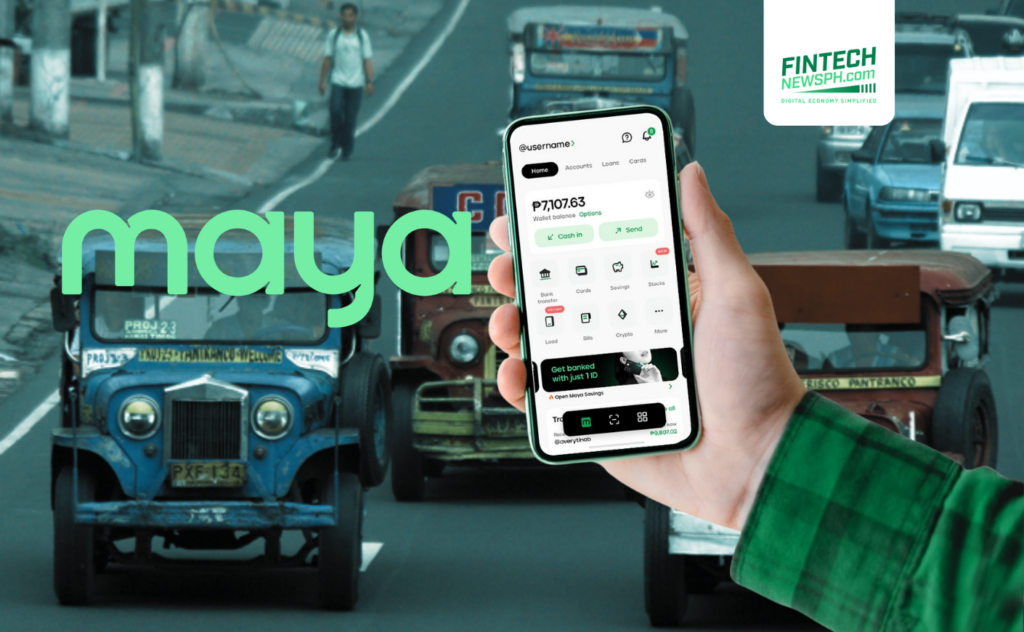
Beyond subsidy programs, Maya processes digital payments for several transport-related government services, including transactions under the LTFRB’s Franchise Online Application system and the payment of traffic violation fees issued by the Metro Manila Development Authority (MMDA).
As digital payments become more deeply integrated into public services, partnerships between government agencies and fintech providers are increasingly shaping how financial assistance is delivered to Filipinos, particularly those in sectors vulnerable to economic shocks and rising operating costs.