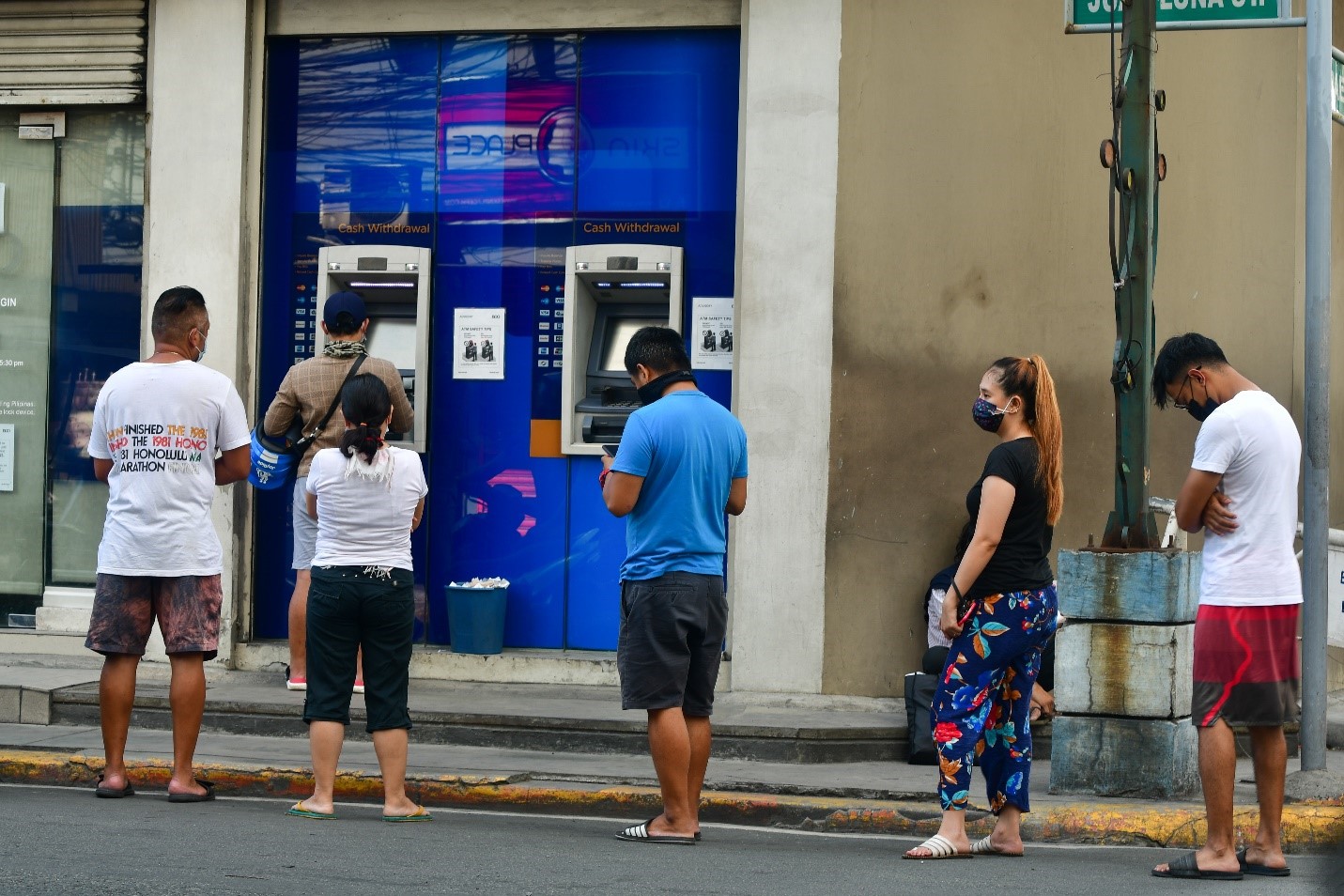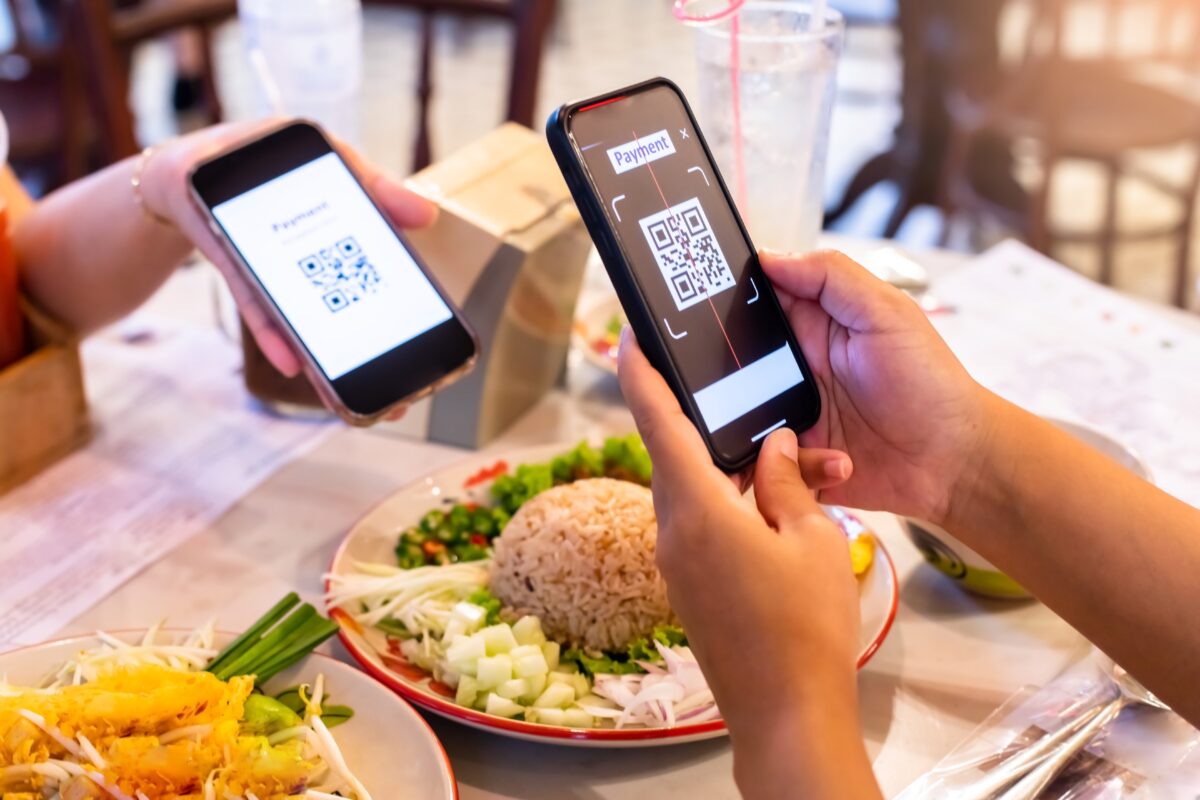
Small businesses in the Philippines are rapidly adopting digital tools like QR Ph, e-wallets, and embedded finance solutions to keep afloat and grow in a cashless economy.
From sari-sari stores to market vendors, fintech adoption is reshaping how MSMEs operate – improving transaction speed, expanding customer reach, and even unlocking new financing opportunities.
In a landscape where 99% of registered businesses are micro, small, and medium enterprises, these digital payment trends have become more than a convenience – they are lifelines to competitiveness and sustainability in an increasingly digital market.
QR Ph adoption driving everyday transactions
At the heart of this digital shift is QR Ph, the national QR payment standard promoted by the Bangko Sentral ng Pilipinas (BSP) and financial partners. By standardizing QR payments across banks and e-wallets, small businesses can accept cashless payments easily and securely, whether from GCash, Maya, or bank apps.

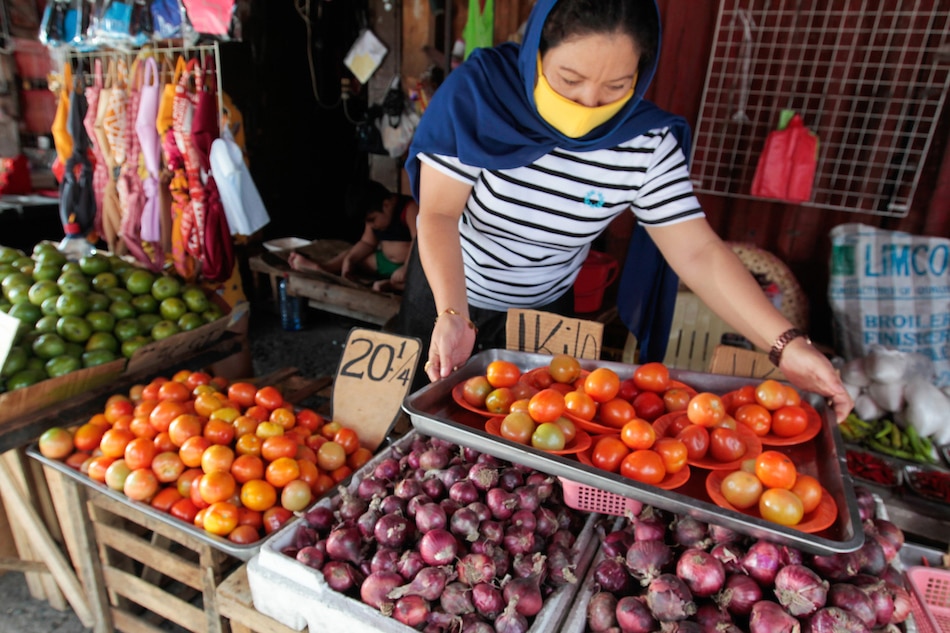
For many shop owners and market stalls, QR Ph means faster checkout, reduced cash handling risks, and quicker turnover. “It’s easier for customers to pay now – you just scan and that’s it,” says local sari-sari store owner Maria Santos in Quezon City, who credits QR Ph for streamlining her daily sales and cutting down on change-making hassles during peak hours.
Yet challenges remain, like educating vendors about scams related to tampered QR codes, which experts warn can expose small businesses to fraud if not properly secured. As the cashless transition gathers pace, payment security is now part of the conversation for MSMEs going digital.
Embedded finance unlocking access to credit
Digital payments are also powering new credit pathways for small businesses. Initiatives like Maya’s “Paleng-Kita” leverage a merchant’s QR Ph transaction history to extend collateral-free loans – a game-changer for vendors previously excluded from formal lending.
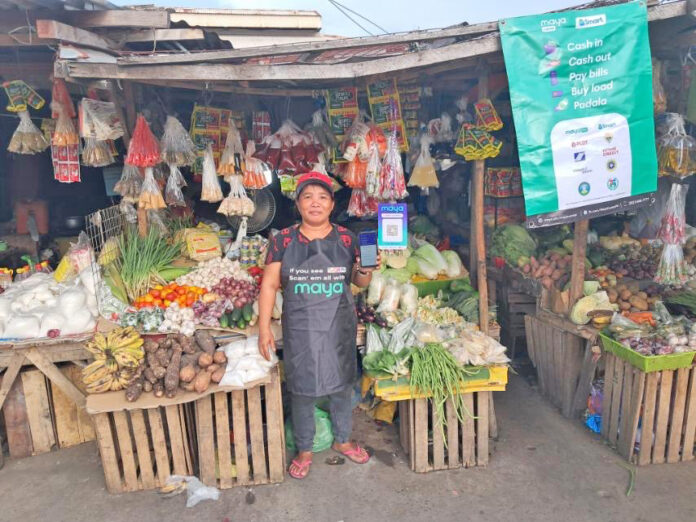
“Using Maya’s cashless payment history helped us qualify for a loan,” says market vendor Jocelyn Solivio from Manila, who used her credit to restock goods and expand product offerings.
By turning payment data into evidence of business activity, embedded finance is bridging the gap between digital transactions and real economic opportunities. For small businesses with limited credit history, this means access to financing that once seemed out of reach.
Beyond payments: Tools for growth
Beyond QR codes and credit, the broader fintech ecosystem is giving small enterprises tools to scale. Platforms like GCash’s PocketPay enable phones to function as card terminals, minimizing setup costs for accepting card payments without traditional point-of-sale systems.
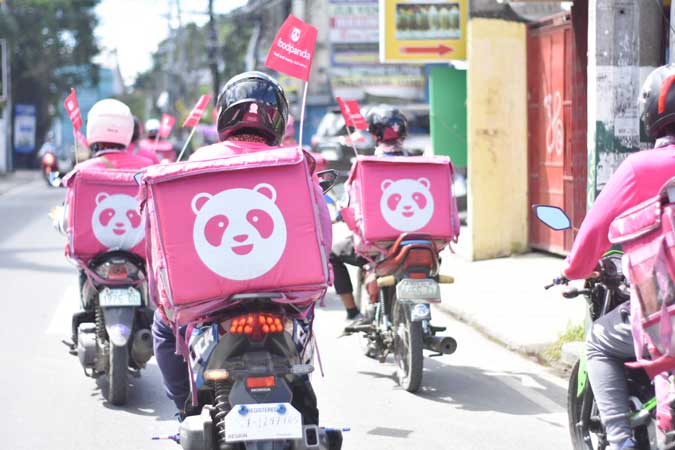
Programs from delivery partners and fintech platforms – such as Negosyo Like a Panda by foodpanda PH – are also offering support beyond payments: financing, digital visibility, and performance-based support that help retailers reach more customers.
By integrating sales, payments, and finance into one digital workflow, small businesses are not just surviving – they are building resiliency and tapping into new revenue streams. In the journey toward a cash-lite Philippines, these MSMEs are proving that adaptability and fintech synergy can redefine local commerce.
Rethinking growth: A future beyond cash
As QR Ph and embedded finance mature, small businesses stand at a pivotal juncture of digital evolution. Their stories of adoption, innovation, and resilience highlight how digital finance is more than a trend – it’s a cornerstone of inclusive growth in the Philippines.
By building digital confidence and expanding access to financial tools, the future of MSMEs is increasingly cashless and opportunity-rich.