

Metro Manila has long dominated the conversation around Philippine fintech.
The country’s biggest banks, digital wallets, fintech startups and technology companies are largely concentrated around the capital. Many of the industry’s biggest launches, partnerships and funding announcements also happen in Metro Manila.
But there is another fintech story developing outside of the capital.

IMAGE CREDIT: The Rise of FinTech Partnerships: Opportunity or Threat for Community Banks?
Across Mindanao, millions of consumers and thousands of micro, small and medium enterprises are participating in an increasingly digital economy.
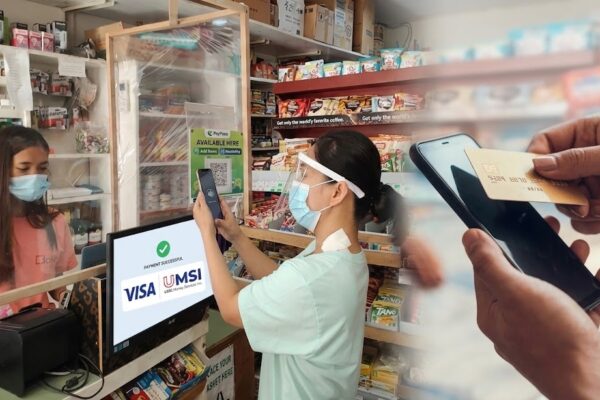
For MSMEs, this does not necessarily mean adopting complicated financial technology. It can be as simple as accepting a QR payment, receiving money through a digital wallet, applying for financing online or using a mobile banking app to manage cash flow.
That makes Mindanao more than a market waiting to be served.
It could become one of the Philippines’ most important next opportunities for fintech growth.
Mindanao’s MSMEs are a different kind of fintech market
The opportunity starts with the structure of the region’s economy.
MSMEs are an important part of economic activity across the Philippines, but businesses outside Metro Manila often operate under different conditions.
Many are smaller, family-owned enterprises serving local communities and may have less access to traditional banking infrastructure, formal credit or sophisticated financial management tools.
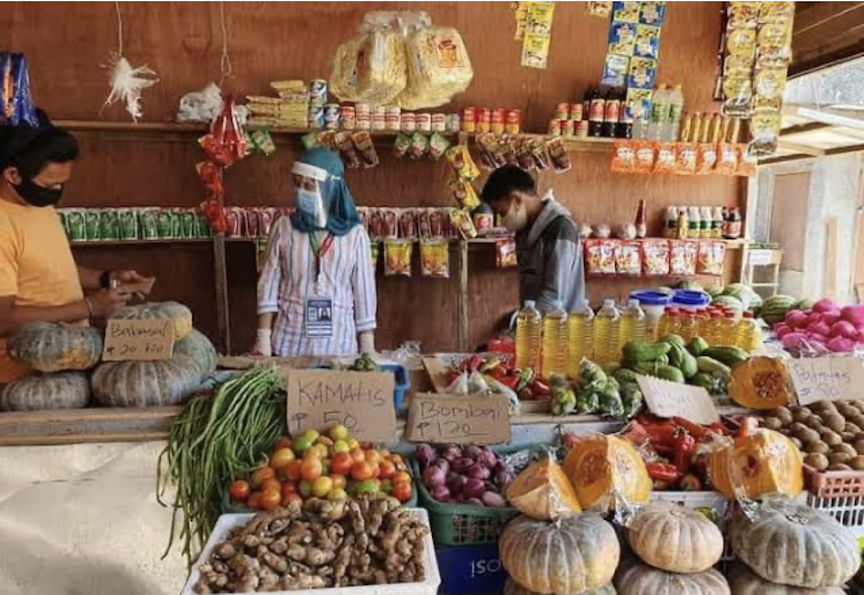
IMAGE CREDIT: BARMM MSMEs, consumers adopt digital transformation
For these businesses, fintech adoption is often driven by practical needs.
A sari-sari store needs an easier way to receive payments. A small retailer needs working capital. A farmer or agricultural trader may need access to financial services without repeatedly traveling to a bank branch. A tourism business may need digital payment options to serve customers who increasingly expect cashless transactions.
The technology matters, but the problem it solves matters more.
Digital payments could be the first gateway
For many MSMEs, digital payments can be the easiest entry point into the formal financial system.
The expansion of QR-based payments allows small businesses to accept digital transactions without investing in expensive point-of-sale equipment.
This is particularly relevant in regions where traditional banking infrastructure may not be as accessible as it is in major urban centers.
The Bangko Sentral ng Pilipinas has been pushing the adoption of digital payments through initiatives such as the National Strategy for Financial Inclusion and its Digital Payments Transformation Roadmap.
QR Ph has also helped create a standardized QR payment environment, allowing customers to make payments using participating financial institutions and e-wallets.
For a small Mindanao business, the impact can be surprisingly significant.
A digital transaction creates a record. That record can eventually become useful for financial management, credit assessment and access to other financial products. This is where payments can evolve into something bigger than simply replacing cash.
Digital transactions can help MSMEs become more visible

One of the biggest problems facing small businesses is not necessarily a lack of demand. It is a lack of financial data.
A business may have been operating for years but still struggle to demonstrate its revenue to a traditional lender because much of its activity happens in cash.
Digital payments can change that.
As more transactions move through digital channels, businesses can potentially build transaction histories that demonstrate their economic activity. This does not automatically guarantee access to credit. But it can help create the data infrastructure that lenders and fintech companies need to assess businesses more efficiently.
For Mindanao’s MSMEs, this could be particularly important.
A small business that has never had a conventional bank loan could gradually build a digital financial footprint through its payments, deposits and other transactions.
The smartphone could therefore become more than a payment device.
It could become part of the business’s financial identity.
Online lending could fill a working capital gap
Access to working capital remains one of the biggest challenges for small businesses.
Traditional bank loans can involve documentation, credit requirements and processing times that may be difficult for micro and small enterprises to navigate. Digital lending platforms have attempted to address part of that gap by using technology to simplify applications and accelerate credit decisions.
For Mindanao MSMEs, the value proposition is straightforward.
A retailer facing a temporary inventory shortage may need financing quickly. A small food business may need capital to purchase equipment. A seasonal business may need additional funds before its busiest period.
Digital lending can potentially make these financial services more accessible. But the opportunity comes with an important warning.
Greater access to digital credit must be accompanied by responsible lending, transparent pricing and borrower protection. The goal of financial inclusion should not simply be to give more people access to loans.
It should be to give businesses access to appropriate financing that helps them grow without pushing them into unsustainable debt.
Digital banks could change how MSMEs manage money
The rise of digital banks adds another layer to the opportunity. A business owner no longer necessarily needs to visit a physical branch to open an account, transfer money or manage savings. For entrepreneurs in areas where bank branches are less accessible, digital banking can reduce some of the geographic barriers associated with traditional financial services.
A small business owner could potentially receive payments, transfer funds to suppliers, save money and pay bills through a smartphone. That convenience becomes even more important when time itself is a scarce resource. For an entrepreneur running a small store, spending half a day traveling to a bank has an economic cost.
Digital finance can turn some of that lost time into productive business hours.
Remittances are another part of the story
Mindanao’s fintech opportunity cannot be discussed without considering remittances.
The Philippines remains one of the world’s largest recipients of remittances from overseas Filipino workers. For families and communities outside Metro Manila, remittances can support household spending, education and small businesses.

IMAGE CREDIT: Cash remittances from OFWs and their preferred Pera Padala outlet
Digital remittance services can make the movement of money faster and more convenient.
But the bigger opportunity may be what happens after the money arrives.
Can remittances become savings?
Can they support business capital?
Can recipients use digital financial products to build credit histories?
Can a family member abroad help finance a small business through digital channels?
These questions move the conversation from remittance delivery to financial inclusion. The fintech opportunity is therefore not simply about moving money from one country to another. It is about what Filipinos can do with that money once it reaches their communities.
Mindanao’s economy creates opportunities for specialized fintech
Mindanao is not a single market. Its economies differ across provinces and cities, with agriculture, trade, manufacturing, tourism, services and other industries creating different financial needs. That diversity could create opportunities for specialized fintech products.
Agricultural businesses could benefit from digital payments, financing and supply-chain platforms designed around farming cycles. Tourism operators could use digital payment and booking systems.
Small retailers could use merchant platforms that combine payments, inventory and financing. Transport and logistics businesses could use digital tools for collections and cash-flow management. The strongest fintech products may therefore not be the ones that simply copy Metro Manila’s consumer finance models.
They may be products designed around the specific problems of businesses operating in Mindanao.
The merchant could become the next fintech customer
Much of the Philippine fintech story has focused on consumers.
Digital wallets have made it easier for Filipinos to transfer money and pay bills. Digital banks have attracted savers. Online lenders have expanded access to credit. The next opportunity could be the merchant.
MSMEs represent a massive potential customer base for fintech companies because they need several financial services at once.
A merchant does not only need payments. They may also need a business account, working capital, accounting tools, payroll services, insurance, savings and eventually investment products.
This creates the possibility of an integrated financial platform built around the needs of small businesses.
Instead of selling one financial product at a time, fintech companies could build a complete digital financial operating system for MSMEs.
Connectivity will still determine the pace of adoption
The opportunity, however, is not evenly distributed. Digital financial inclusion requires digital infrastructure. Reliable internet access, smartphone availability, digital literacy and consumer trust all influence whether people can actually use fintech products.
The World Bank has repeatedly highlighted the importance of digital connectivity and financial inclusion in expanding economic opportunities in developing markets.
For Mindanao, improving connectivity therefore becomes part of the fintech story. A digital bank cannot fully serve a customer who cannot reliably access the internet. A QR payment system cannot reach its full potential if merchants and customers are unfamiliar with digital transactions.
An online lending platform cannot create meaningful inclusion if borrowers do not understand the terms of the credit they are receiving. Technology can remove barriers, but it cannot remove every barrier.
Trust may be the biggest competitive advantage
For fintech companies expanding outside Metro Manila, trust could be more important than technology. MSMEs need to know where their money is going, how much they are paying and what happens if something goes wrong.
A sophisticated app will not necessarily win if customers do not understand or trust it. This makes customer education an important part of fintech expansion.
Companies that can explain digital finance in simple, localized language may have an advantage over those that assume every customer already understands financial technology.
Trust can also be built through partnerships.
Banks, cooperatives, local governments, business organizations, remittance companies and community groups can help fintech providers reach customers who may be less familiar with digital financial services.
The next fintech growth story may not start in Makati
For years, the Philippine fintech industry has naturally looked toward Metro Manila. That makes sense. The capital has the largest concentration of consumers, businesses, financial institutions, investors and technology companies. But the next phase of fintech growth may depend on reaching markets where the need for accessible financial services is greater.
Mindanao presents that opportunity. Its MSMEs represent thousands of businesses with real financial problems that technology can potentially solve.
The opportunity is not simply to bring another e-wallet or digital bank to the region.
It is to build financial products around how people actually earn, save, borrow, pay and grow their businesses.
What fintech companies need to get right
The biggest opportunity in Mindanao may also come with the biggest responsibility.
Fintech companies entering the market will need to understand local business realities instead of treating the region as one homogeneous customer segment.
Products will need to be affordable, easy to understand and accessible even to entrepreneurs with limited financial or digital experience.
Responsible lending will be critical.
Cybersecurity will matter.
Customer support will matter.
And perhaps most importantly, fintech companies will need to demonstrate that digital finance creates tangible value for small businesses.
The measure of success should not simply be the number of new accounts opened or applications downloaded.
It should be whether an MSME can use digital finance to manage cash flow better, access appropriate capital, accept more customers and ultimately build a more resilient business.
Mindanao could become fintech’s next growth engine
The Philippine fintech story is entering a stage where expansion beyond Metro Manila could become just as important as innovation within it.
Mindanao’s MSMEs offer a particularly compelling opportunity because they sit at the intersection of several major trends: digital payments, financial inclusion, online lending, remittances, digital banking and the formalization of small businesses.
The opportunity is not about turning every small business into a technology company.
It is about giving entrepreneurs better financial tools to run the businesses they already have.
For fintech companies, that represents a large untapped market.
For MSMEs, it could mean faster payments, easier access to capital, better financial management and greater participation in the formal digital economy.
And for the Philippines, the bigger opportunity is ensuring that the country’s fintech growth does not remain a Metro Manila story.
The next major fintech customer may not be sitting in Makati or BGC. They could be running a small business somewhere in Mindanao.