
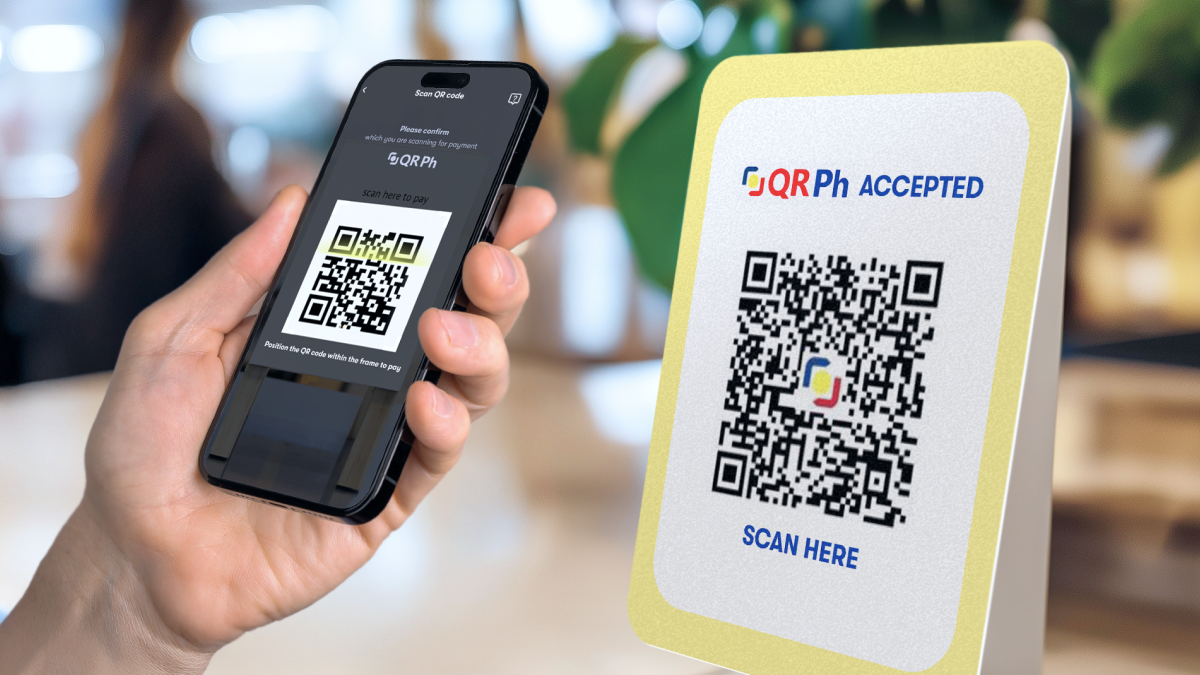
As digital payments move from novelty to necessity, the bigger question now is: what comes after QRPh? QRPh has become a familiar sight across the Philippines — from coffee shops and malls to public markets and transport terminals. Its rapid adoption marked a major win for the country’s push toward cash-lite transactions.
The next phase of the country’s payments roadmap is less about speed of rollout and more about depth of use. Interoperability, offline payments, cross-border QR, and expanding merchant adoption beyond major cities are shaping the future of how Filipinos pay, get paid, and do business.
Interoperability: Making digital payments feel effortless
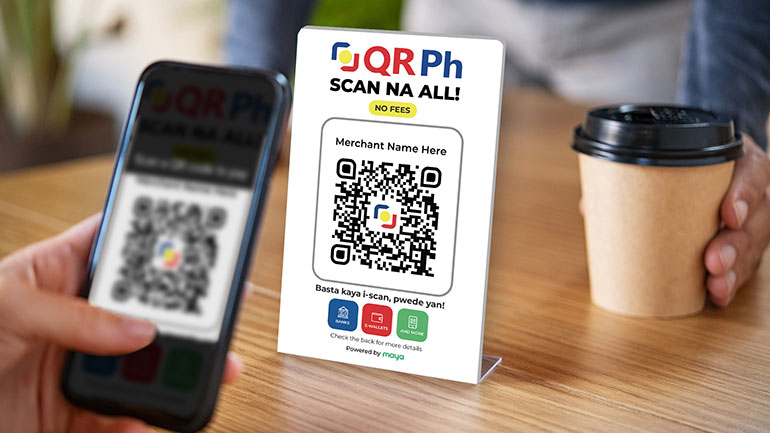
QR Ph proved that a unified standard can simplify payments for both consumers and merchants. No more guessing which QR code to scan — one system works across banks and e-wallets. But true interoperability goes beyond QR.
The next goal is a payments ecosystem where users don’t need to think about platforms at all. Whether money comes from a bank account, an e-wallet, or a future digital asset, payments should just work.
This means smoother account-to-account transfers, wider acceptance of tap-to-pay technologies, and fewer barriers between financial service providers.
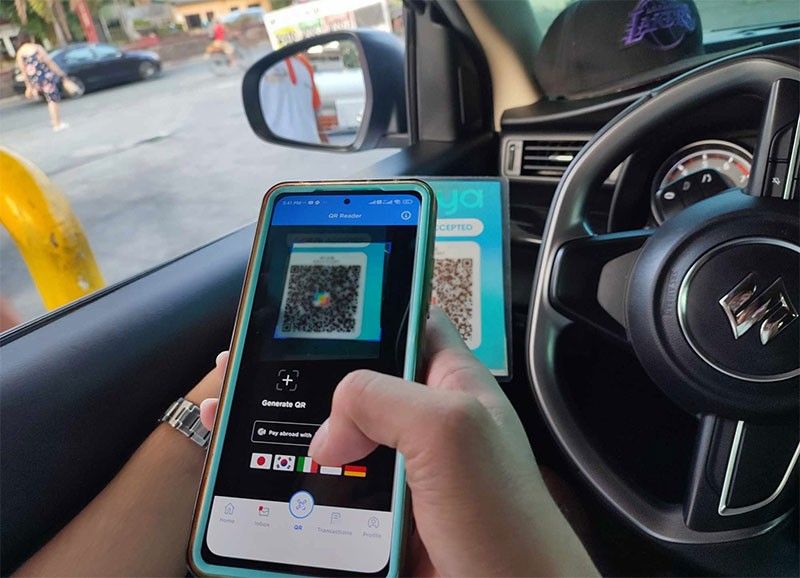
For merchants, interoperability reduces complexity. One setup, multiple payment options. For consumers, it means convenience — paying anyone, anywhere, without worrying about compatibility. As digital payments mature, this kind of invisible infrastructure will define everyday user experience.
Offline payments: Reaching beyond connected cities
Despite strong digital uptake in urban centers, connectivity remains uneven across the country. Many small merchants still operate in areas with unstable internet or limited access to digital infrastructure. For them, online-only payment systems are not always practical.
This is where offline payment solutions come in. Technologies that allow transactions to be recorded offline and processed later could be game-changers for rural communities, public markets, and transport services. The goal is to make digital payments as reliable as cash — even without constant connectivity.
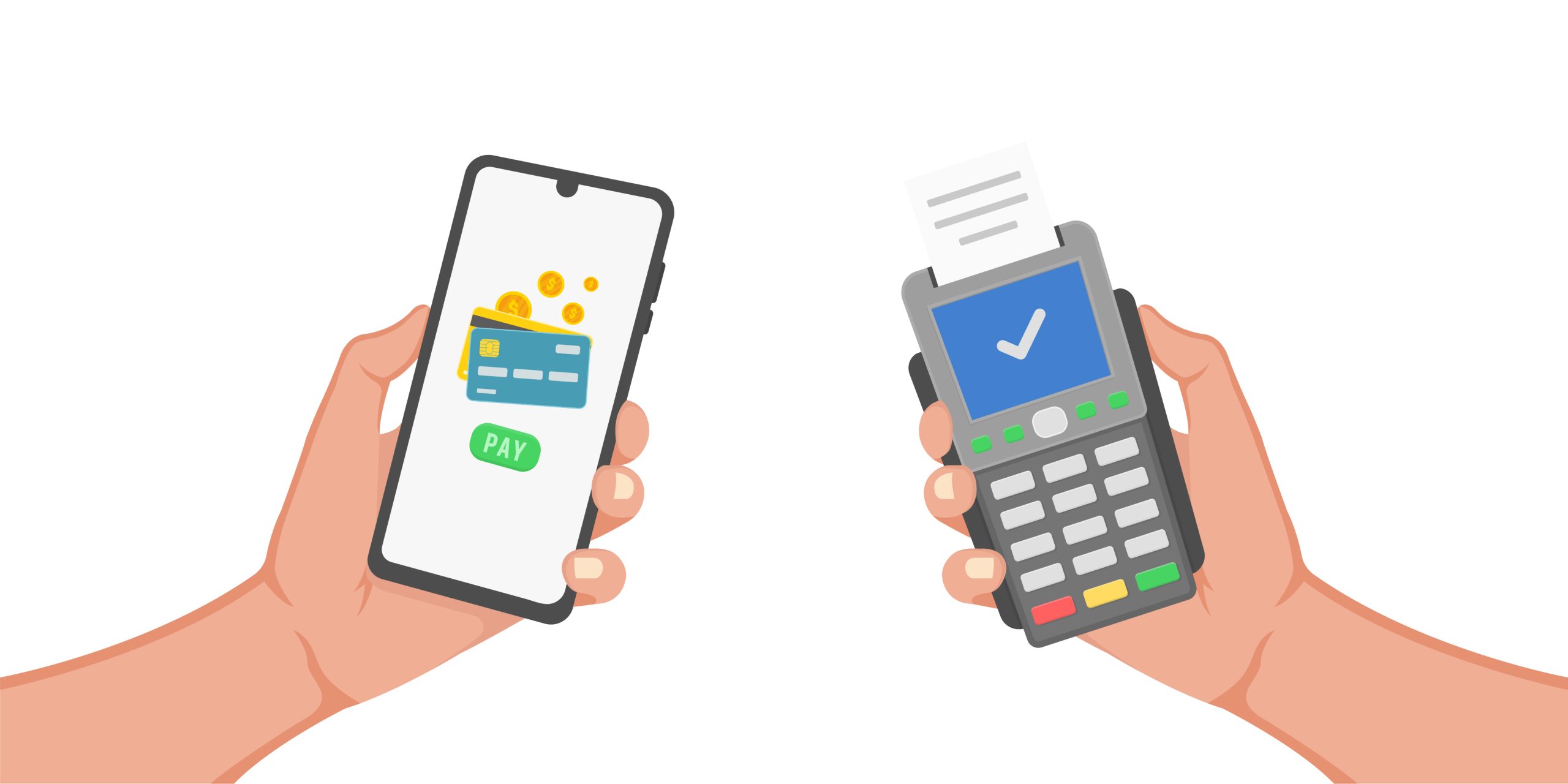
Programs bringing QR payments to traditional markets show that adoption is possible when solutions are designed around real-world conditions.
The challenge now is scaling these efforts while keeping costs low and systems easy to use for small merchants.
Cross-border QR: Opening the door to global payments
Digital payments in the Philippines are no longer just a domestic conversation. As the country explores cross-border QR and faster international payment links, the potential impact is significant.

For tourists, it could mean paying local merchants using wallets from their home countries. For Filipinos traveling or working abroad, it could simplify everyday spending and reduce reliance on cash. For businesses and freelancers, faster cross-border payments mean improved cash flow and fewer intermediaries.
Cross-border QR also aligns with the broader goal of making remittances more efficient. As systems become interoperable across borders, digital payments could reshape how money moves into and out of the Philippines.