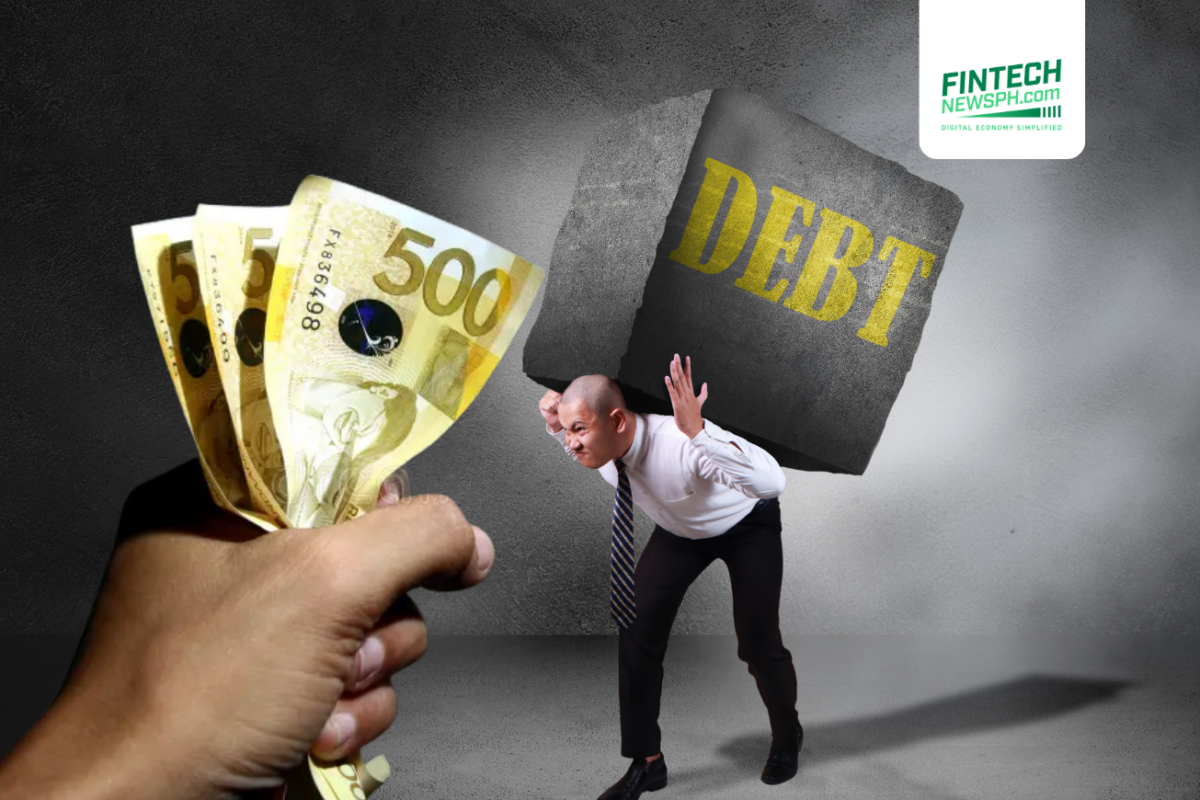
Debt is stealing more than just money from many Filipinos — it is taking away financial freedom, peace of mind and opportunities for the future.
At a broader level, the Philippines also continues to face rising fiscal pressures, with national (sovereign) debt expanding in recent years according to the Bureau of the Treasury (BTr). While this reflects government borrowing to fund public services and development, it also forms part of the wider financial environment in which households manage their own finances. Against this backdrop, personal debt behavior at the household level becomes even more critical.
For countless households, payday arrives only to disappear just as quickly, swallowed by loan repayments, credit card bills, and other financial obligations.
Despite working hard and earning a steady income, many remain trapped in an endless cycle of borrowing and repayment.
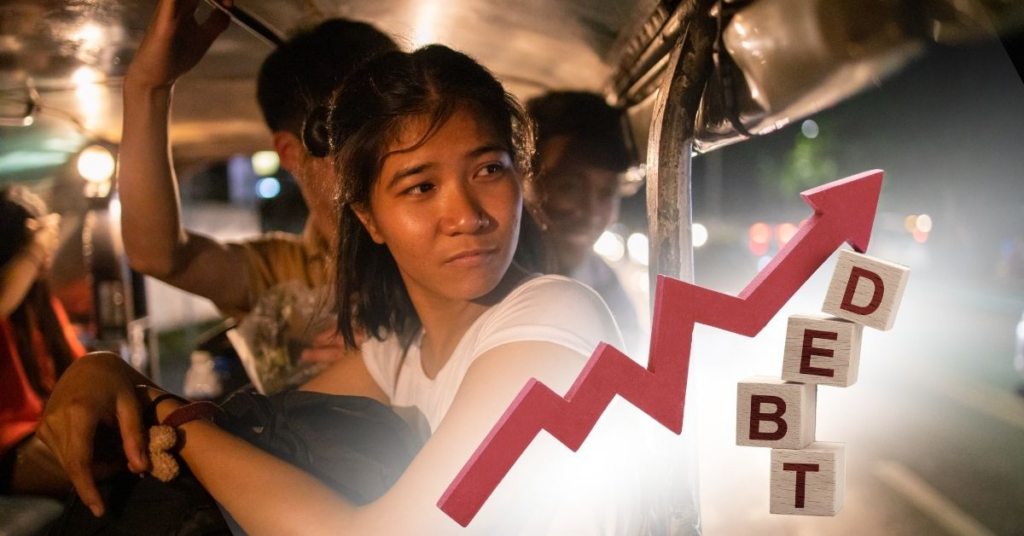
The good news is that escaping debt is possible. By identifying the common money habits that keep people financially stuck, Filipinos can begin making smarter choices that lead to greater stability, savings, and long-term financial security.
1. Spending more than you earn
One of the most common reasons Filipinos remain in debt is lifestyle inflation. As income increases, expenses often rise as well. Instead of allocating extra earnings toward savings or investments, many people spend more on dining out, shopping, gadgets, or other non-essential purchases.
Social media has also intensified the pressure to keep up with perceived lifestyles. The desire to match what others appear to have can encourage unnecessary spending and impulsive financial decisions.
To escape this cycle, establish a realistic budget that prioritizes needs before wants. Tracking expenses can reveal spending patterns and identify areas where costs can be reduced without sacrificing quality of life.
2. Depending on borrowed money for daily needs
Loans, credit cards, and buy-now-pay-later services can be helpful when used strategically. However, relying on borrowed funds to cover regular expenses such as food, transportation, and bills can signal deeper financial challenges.
When debt becomes part of a monthly survival strategy, interest charges accumulate and reduce the amount of income available for other priorities. This often leads to a situation where people borrow again simply to keep up with existing obligations.
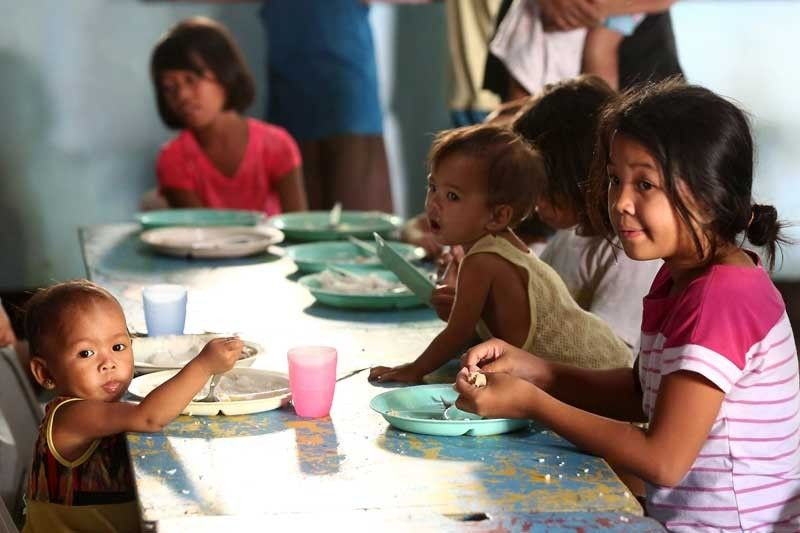
Building an emergency fund can help reduce dependence on debt. Even small, consistent contributions can create a financial cushion that protects against unexpected expenses and income disruptions.
3. Lack of savings and financial planning
Many Filipinos postpone saving because they believe they need a larger salary before they can start. Unfortunately, waiting for higher income often delays financial progress and leaves households vulnerable during emergencies.
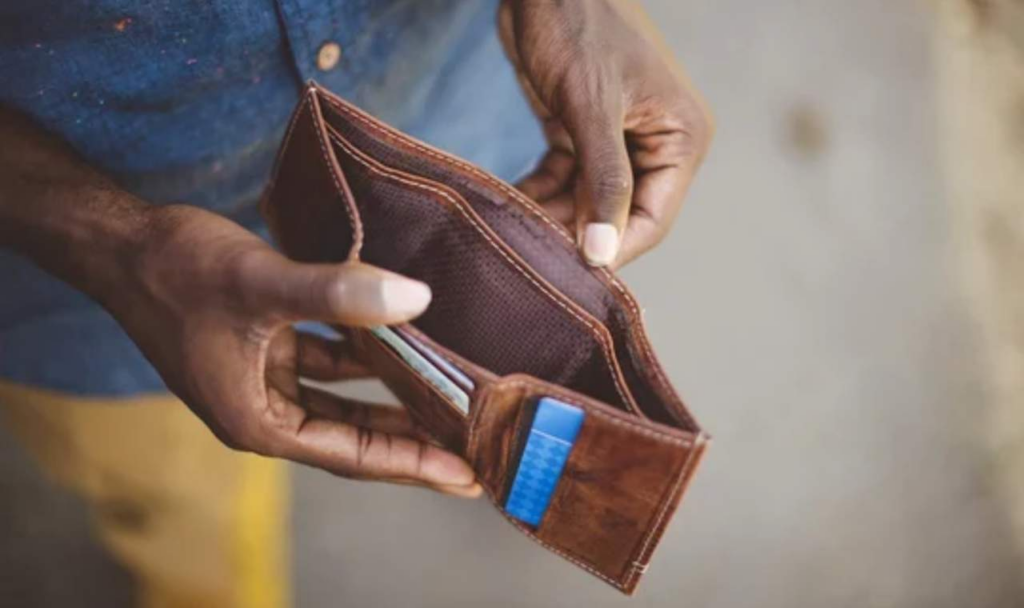
Another issue is the absence of long-term financial goals. Without clear objectives, it becomes easy to spend money without considering future needs such as education, retirement, healthcare, or homeownership.
A practical solution is to adopt a “save first” mindset. Setting aside even a small percentage of income before spending can gradually build financial security. Automating savings can also make the habit easier to maintain.
4. Ignoring high-interest debt
Many Filipinos focus on making minimum payments on their loans and credit cards without realizing how much interest continues to accumulate over time.
While minimum payments can help avoid penalties, they often prolong the repayment period and increase the total amount owed.

High-interest debt can quietly consume a significant portion of monthly income, leaving less money available for savings, investments, and essential expenses. As balances grow, it becomes more difficult to get ahead financially.
A more effective strategy is to prioritize debts with the highest interest rates first while continuing to make required payments on other obligations. This approach can reduce overall interest costs and help borrowers become debt-free faster.
5. Giving in to impulse purchases
The convenience of online shopping, e-wallets, digital payment platforms, and buy-now-pay-later (BNPL) services has made spending easier than ever. While these fintech innovations improve accessibility and convenience, they can also encourage impulsive purchases when used without proper budgeting.
While a single impulse purchase may seem harmless, frequent unplanned spending can gradually drain a budget and reduce the money available for more important financial goals.
Over time, these small expenses can add up to a substantial amount.

To avoid impulse buying, consider implementing a waiting period before making non-essential purchases. Giving yourself 24 to 48 hours to think about a purchase can help determine whether it is truly necessary or simply a temporary desire.
6. Relying on a single source of income
Many households depend entirely on one paycheck to cover all expenses.
While a stable job provides financial security, relying on a single source of income can create vulnerability when unexpected events occur, such as job loss, reduced working hours, or economic downturns.

Without additional income streams, even a minor financial setback can force families to borrow money or dip into savings. This often leads to greater financial stress and increased dependence on debt.
For some Filipinos, launching a small business or side hustle can provide an additional source of income. The growth of digital marketplaces, social commerce platforms, and fintech-enabled payment solutions has made it easier for aspiring entrepreneurs and MSMEs to start earning with relatively low capital requirements.
Even modest additional earnings can help build savings and reduce financial pressure.
7. Neglecting financial education
Many people spend years earning money but very little time learning how to manage it effectively. As a result, they may struggle with budgeting, debt management, saving, and investing, despite having a steady income.
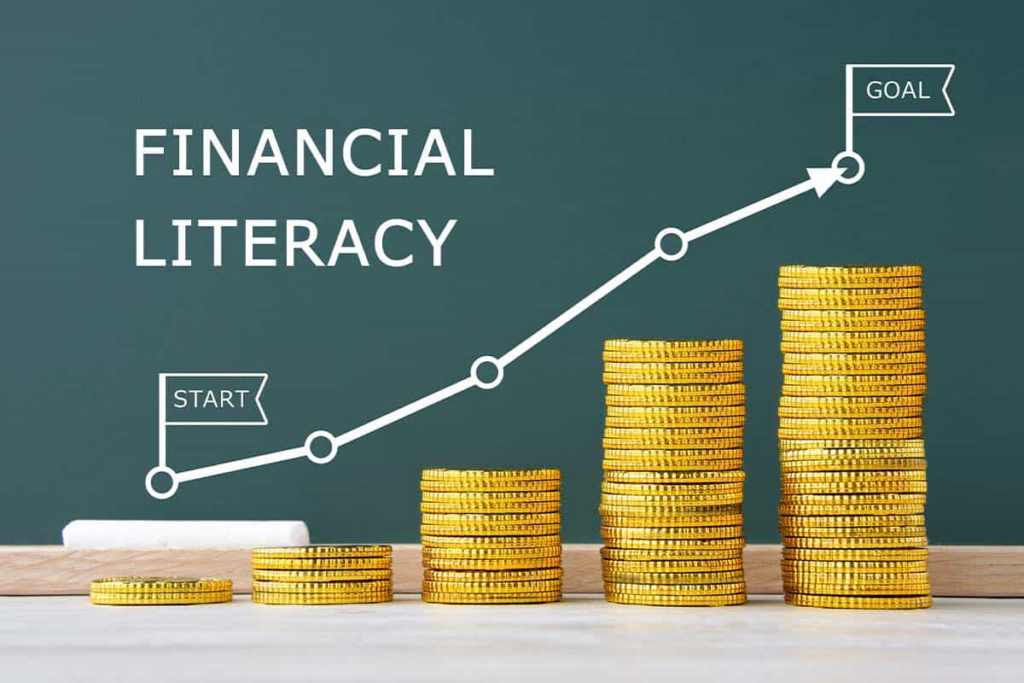
Financial decisions made without adequate knowledge can lead to costly mistakes that may take years to overcome.
Misunderstanding interest rates, loan terms, or investment risks can prevent individuals from achieving their financial goals.
Investing time in financial education can make a meaningful difference. Reading personal finance resources, attending financial literacy seminars, or following credible financial experts can help individuals make smarter decisions and build long-term financial stability.
Breaking free from the debt trap
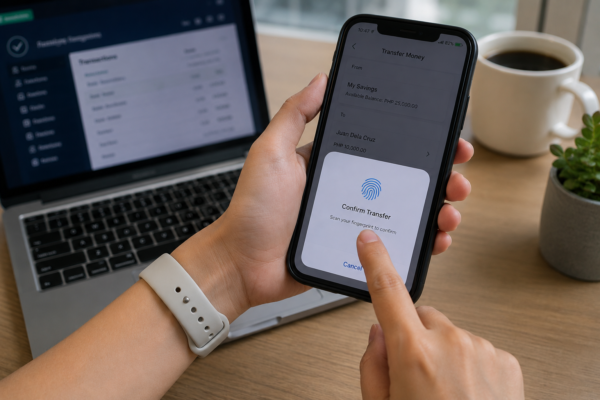
As digital financial services become more accessible across the Philippines, consumers have more tools than ever to manage their money responsibly. From digital banks and savings apps to budgeting platforms and financial literacy resources, technology can play an important role in helping Filipinos build healthier financial habits.
Combined with disciplined spending, strategic debt management, and long-term planning, these tools can support the journey toward lasting financial stability and freedom.