

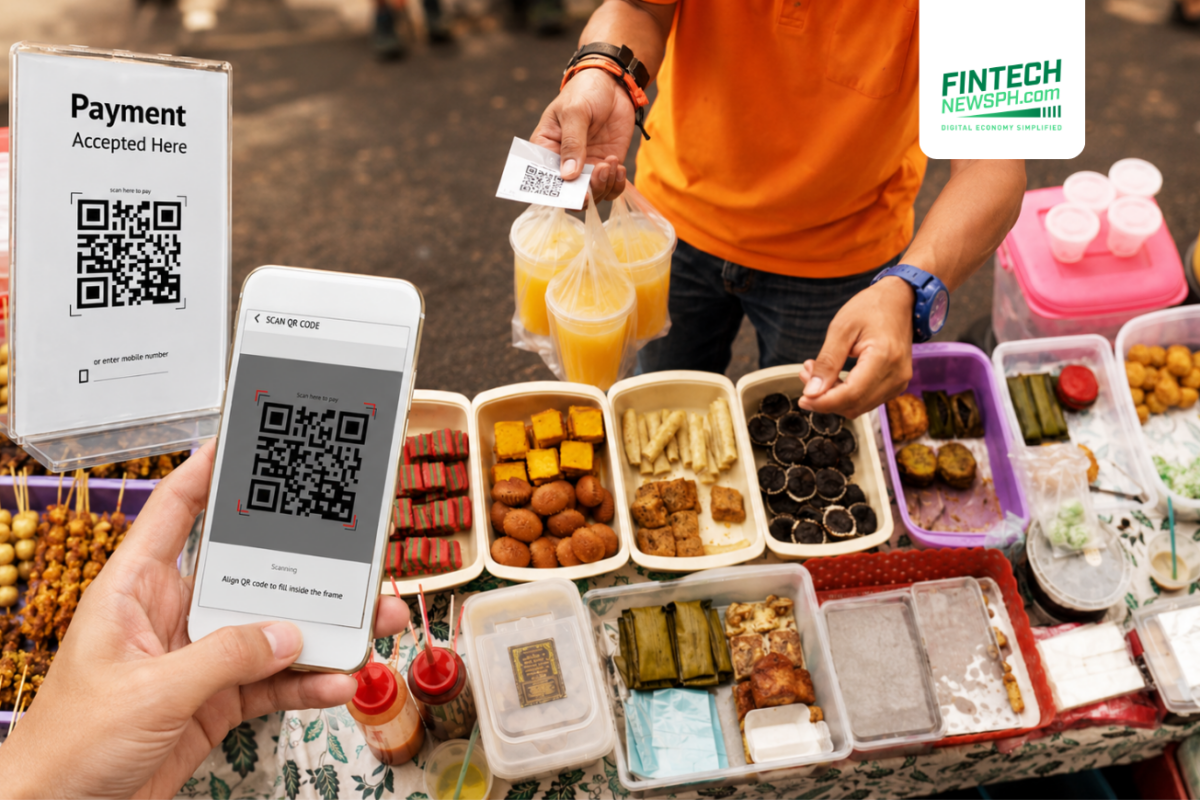
QR payments are becoming the preferred payment method for many Filipino micro, small, and medium enterprises (MSMEs) as digital transactions continue to gain traction across the country.
From neighborhood stores and cafés to market vendors and service providers, businesses are increasingly replacing cash-only transactions with QR code payments to improve operational efficiency and meet changing customer preferences.

IMAGE CREDIT: QR Payments – The Next Big Thing
The growth of QR Ph and digital wallets has made accepting digital payments easier than ever. Instead of investing in expensive point-of-sale terminals, merchants can receive payments through a single QR code that works across participating banks and e-wallets. This accessibility has made QR payments an attractive solution for small businesses looking to modernize their operations.
Faster payments improve cash flow
One of the biggest advantages of QR payments is faster access to funds.
Unlike traditional payment methods that may require manual reconciliation or involve delayed processing, QR-based transactions allow businesses to receive digital payments quickly and maintain better visibility over their daily sales.
Understanding faster payment system: A complete guide
For MSMEs, healthy cash flow is critical. Faster payment collection enables business owners to pay suppliers on time, replenish inventory, and manage operating expenses more efficiently.
Digital transaction records also make it easier to monitor sales performance without relying solely on handwritten receipts or manual bookkeeping.
As more consumers choose cashless payments, accepting QR transactions helps businesses avoid losing sales from customers who no longer carry enough cash.
Less cash means better security and efficiency
Beyond convenience, QR payments help reduce the risks associated with handling physical cash. Businesses no longer need to keep large amounts of cash on-site, lowering the risk of theft, misplaced funds, or counting errors during daily operations.
Digital payments also simplify end-of-day reconciliation.
Transaction histories are automatically recorded, making it easier for business owners to review sales, track customer payments, and prepare financial reports. These digital records can also support loan applications and financial planning by providing documented business income.
For small enterprises with limited staff, reducing manual cash handling allows owners and employees to spend more time serving customers and growing the business.
QR Ph is expanding opportunities for small businesses
The continued adoption of QR payments has been supported by QR Ph, the country’s interoperable QR payment standard developed under the Bangko Sentral ng Pilipinas’ National Retail Payment System. With interoperability, merchants can accept payments from multiple participating banks and e-wallets using a single QR code, eliminating the need to display several payment options.

IMAGE CREDIT: QR Payments – The Next Big Thing
This simplified payment experience benefits both merchants and consumers. Customers can pay using their preferred banking or e-wallet application, while businesses enjoy broader payment acceptance without additional hardware or complicated integrations.
As digital payment infrastructure continues to expand nationwide, QR payments are becoming increasingly accessible even for smaller enterprises outside major urban centers.
The future of MSME payments is digital
The growing adoption of QR payments reflects how Filipino MSMEs are embracing digital tools to improve business operations and customer experience. Faster transactions, improved cash flow, reduced cash handling, and simplified record-keeping have made QR payments a practical solution for businesses of all sizes.
As more Filipinos choose cashless transactions and digital payment systems continue to evolve, QR payments are expected to become an even more important part of everyday commerce. For MSMEs, adopting digital payments is no longer just about keeping up with technology — it is about building more resilient, efficient, and competitive businesses in an increasingly digital economy.