
Online lending in the Philippines is entering a new chapter after the Securities and Exchange Commission (SEC) officially lifted its moratorium on new online lending platform (OLP) applications.
The decision signals renewed confidence in the country’s digital lending sector while introducing stricter regulatory expectations for companies looking to enter the market.
The move comes as digital lending continues to expand alongside wider adoption of digital payments, e-wallets, and alternative financial services, increasing demand for faster and more accessible sources of credit.
For borrowers, this could mean greater access to credit and more lending options. For fintech companies, existing lenders, and foreign investors, the reopening creates new opportunities — but also higher compliance standards.
As digital finance continues to expand across the Philippines, the industry now faces the challenge of balancing innovation with consumer protection.
A fresh opportunity for digital lending
The SEC’s decision to resume accepting online lending platform applications comes after several years of regulatory reforms aimed at cleaning up the industry.
During the moratorium, authorities intensified enforcement against abusive collection practices, unregistered lending companies, and digital lenders that violated data privacy and consumer protection laws.
With stronger rules now in place, regulators appear more confident that responsible fintech companies can operate within a healthier ecosystem. Rather than simply allowing more lenders into the market, the SEC is encouraging firms that prioritize transparency, fair lending, and responsible innovation.
The reopening may also encourage more financial technology startups and international lending companies to consider the Philippine market, where digital financial services adoption continues to grow alongside smartphone and internet usage.
More choices for borrowers — but smarter decisions still matter
For Filipino consumers, the return of new online lending providers could translate into more competitive loan products.
Greater competition could encourage lenders to improve customer experience, offer more flexible repayment options, and develop more personalized financial products.
However, more choices also require borrowers to become more discerning. Consumers should verify that lenders are properly registered with the SEC before applying for loans, carefully review interest rates and fees, and understand repayment terms before signing any agreement.
The reopening does not eliminate risks associated with digital borrowing. Instead, it reinforces the importance of financial literacy and responsible borrowing as more lending options become available.
What it means for the Philippine fintech industry
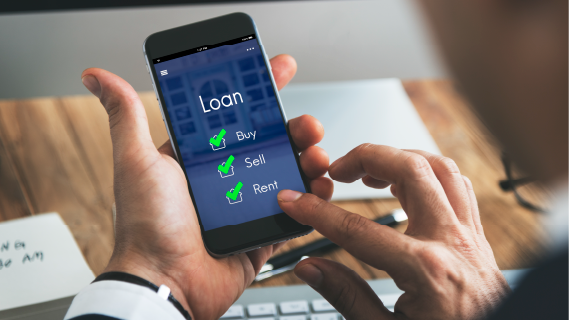
The lifting of the moratorium represents more than the resumption of licensing. It also reflects the continued maturation of the Philippines’ regulatory framework for online lending.
Existing lenders may now face increased competition as new local and foreign players enter the market with innovative lending technologies, alternative credit scoring models, and AI-powered risk assessment.
Credit bureaus and financial data providers may also play a larger role in supporting responsible lending. As more companies leverage verified financial information, the industry could gradually move toward more accurate credit evaluations instead of relying solely on traditional lending criteria.
The Bangko Sentral ng Pilipinas (BSP) and the SEC are likewise expected to continue working together to strengthen digital finance oversight. Their coordinated approach helps create an environment where innovation can flourish without compromising consumer protection or financial stability.
What’s next for digital lending in the Philippines
The reopening of online lending platform applications marks another milestone in the evolution of digital finance in the Philippines. While it creates opportunities for fintech innovation, its long-term success will depend on how effectively regulators, lenders, and borrowers each fulfill their responsibilities.
For consumers, the development offers the possibility of more accessible financing. For businesses, it signals renewed opportunities to compete in one of Southeast Asia’s fastest-growing digital finance markets.
In the end, the industry’s long-term success will depend on maintaining consumer trust while encouraging responsible innovation and fair competition.