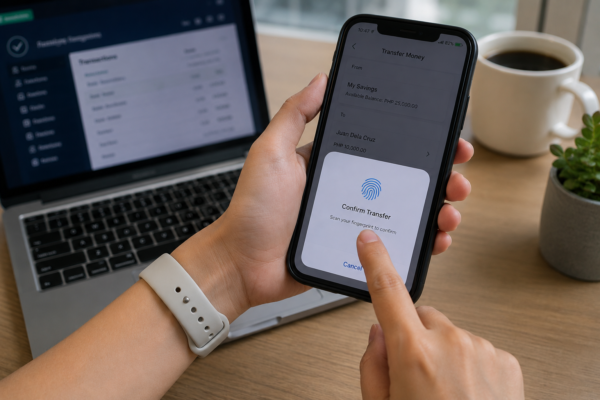


Financial apps have become essential tools for Filipinos looking to take greater control of their finances.
Whether it’s managing day-to-day expenses, saving for future goals, or simply avoiding overspending, the right financial apps can make budgeting easier, more organized, and less time-consuming.
As digital banking, e-wallets, and cashless payments become part of everyday life, manually tracking every peso spent is becoming increasingly impractical.
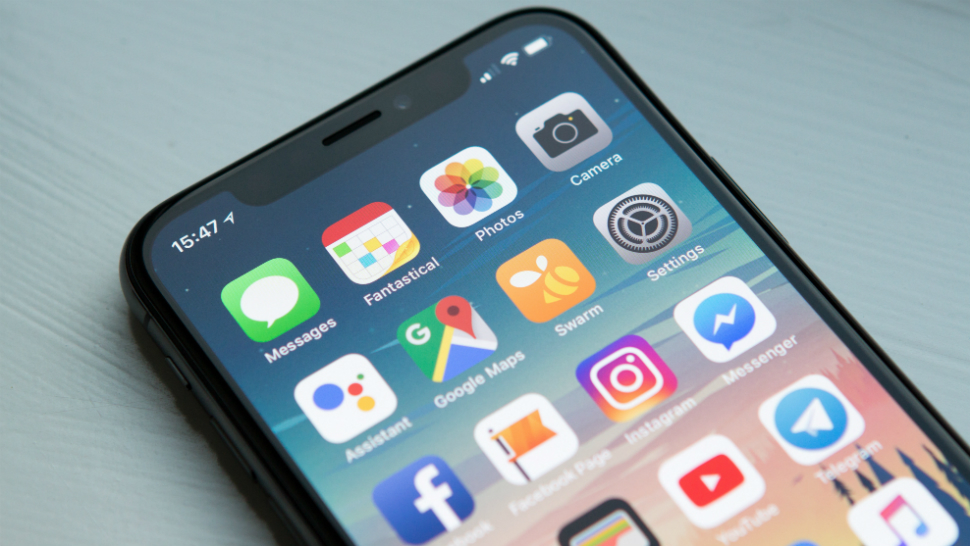
Many financial apps now offer built-in budgeting tools, automatic expense categorization, spending insights, and savings features that help users understand where their money goes.
Choosing the right app ultimately depends on your spending habits and financial priorities.
Find a financial app that fits your spending habits
Not all financial apps are designed the same way.
Some focus primarily on expense tracking, while others combine budgeting, savings, banking, investments, and bill payments into a single platform.
For users who prefer a hands-on approach, apps such as Money Manager and Wallet by BudgetBakers offer detailed expense tracking and customizable budget categories.
These tools generate spending reports that make it easier to identify unnecessary expenses and adjust monthly budgets accordingly.
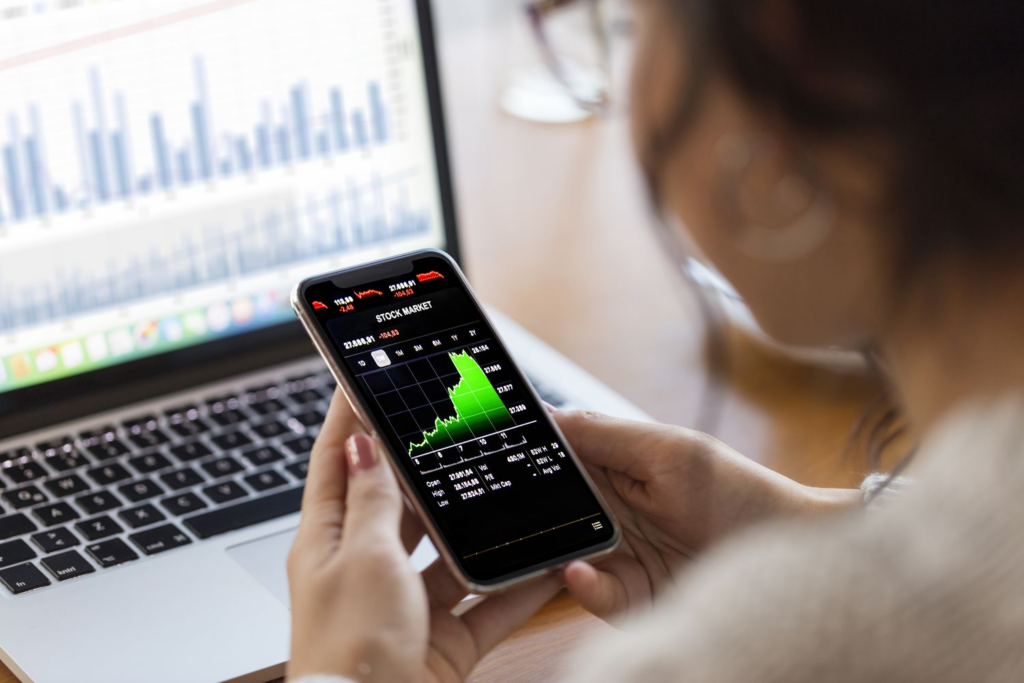
Meanwhile, digital banking apps such as Maya, GoTyme Bank, and Tonik Bank automatically record transactions, allowing users to monitor their spending without manually entering every purchase. Having banking and budgeting features in one app can simplify day-to-day money management.
Using financial apps to build better money habits
The biggest benefit of financial apps isn’t simply recording expenses—it’s helping users develop healthier financial habits over time.
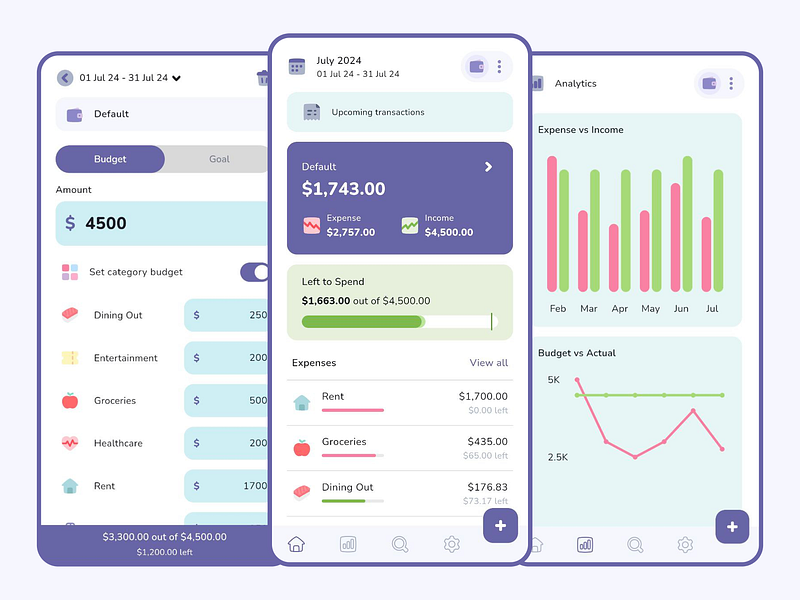
Most budgeting apps automatically categorize spending into areas such as food, transportation, shopping, utilities, and entertainment. This gives users a clearer picture of where most of their income goes and highlights areas where they may be able to cut back.
Many apps also include savings goals, bill reminders, recurring expense tracking, and monthly spending summaries. Together, these features encourage more consistent saving while helping users keep discretionary spending under control.
Over time, small adjustments can lead to stronger budgeting habits and improved long-term financial health.
Financial apps worth considering
The best financial app depends on your budgeting style and financial goals. Some focus on tracking day-to-day expenses, while others combine digital banking with savings and financial planning tools.
Maya
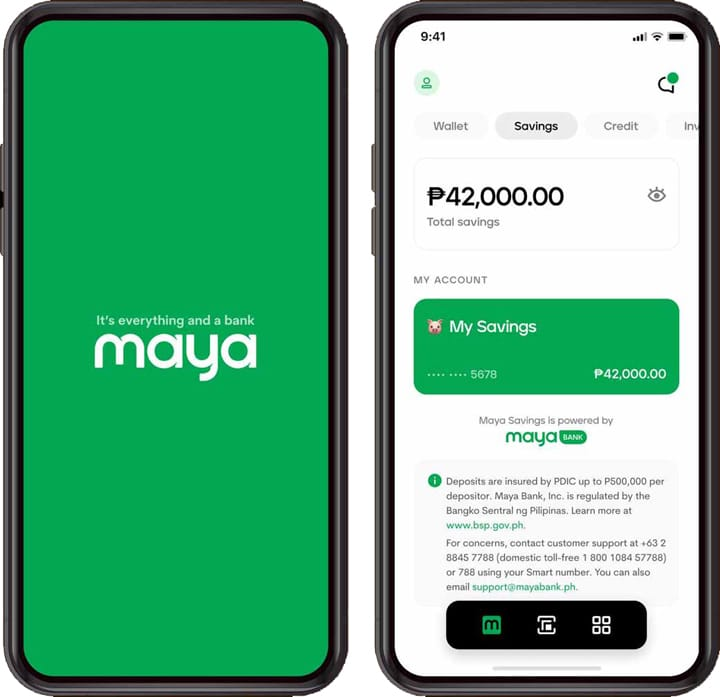
Maya has evolved beyond digital payments and online banking. Its app allows users to monitor account balances, review transaction history, manage savings, and pay bills within a single platform.
For people who already use Maya for everyday purchases, the app also serves as a convenient spending tracker without requiring separate budgeting software.
GoTyme Bank
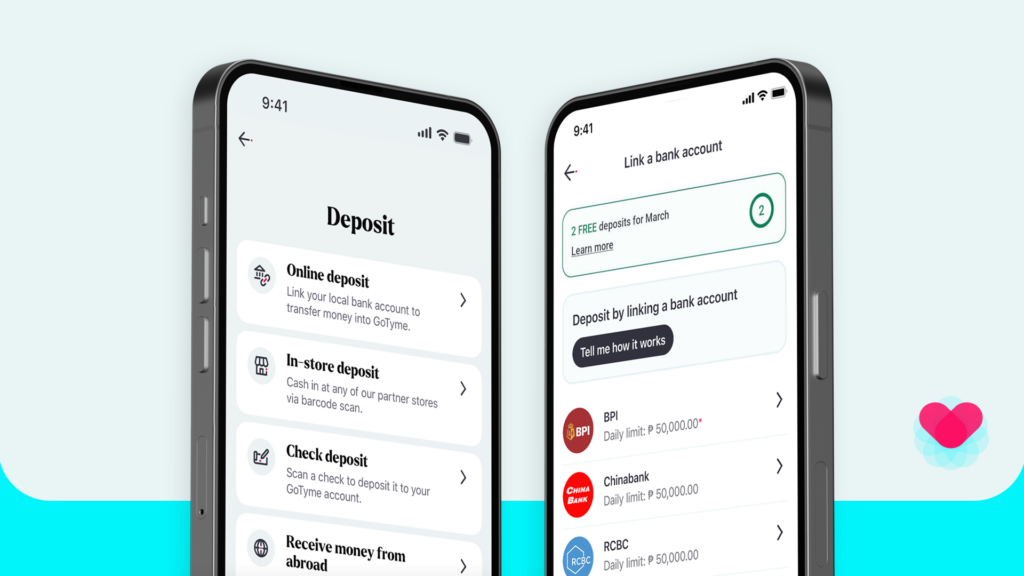
GoTyme Bank automatically records transactions made using its debit card, making it easier for users to monitor where their money goes.
Combined with its savings features and rewards programme, the app supports both daily spending and longer-term financial goals.
Tonik Bank
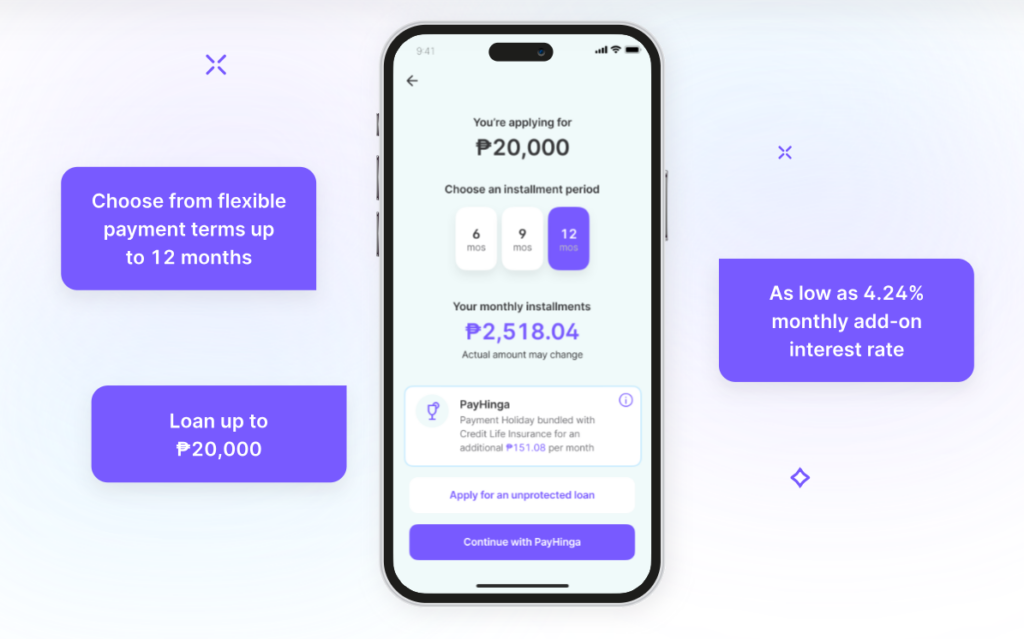
Tonik is designed for users who want to strengthen their saving habits while keeping track of their finances.
Alongside transaction monitoring, the app offers goal-based savings, Time Deposits, and budgeting tools that encourage more disciplined financial planning.
Wallet by BudgetBakers
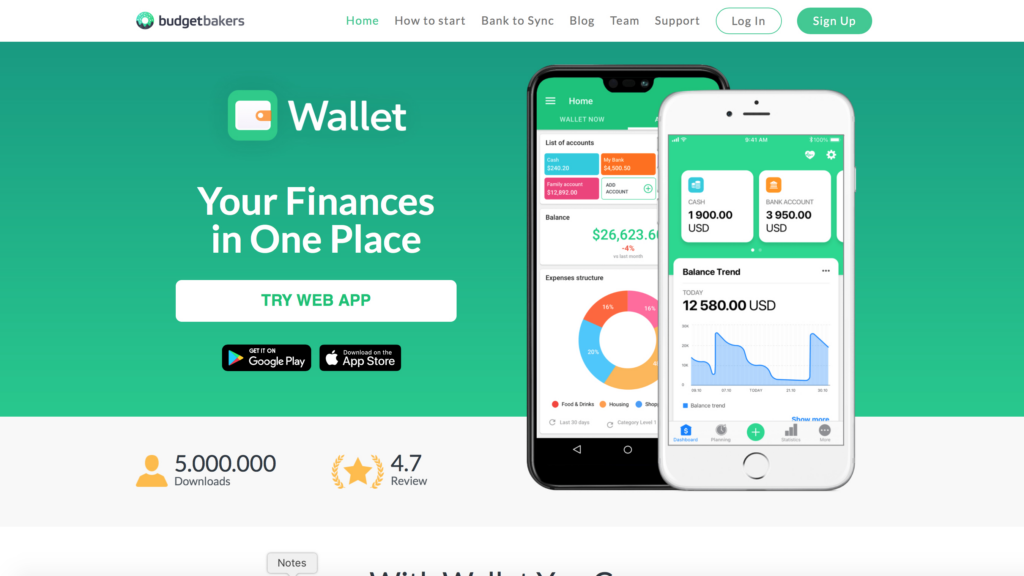
Wallet is a dedicated personal finance app that supports both manual and automatic expense tracking. It provides detailed spending reports, budgeting tools, and financial insights that help users understand their spending patterns over time.
It’s well suited for users who want a comprehensive overview of their finances across multiple accounts.
Money Manager
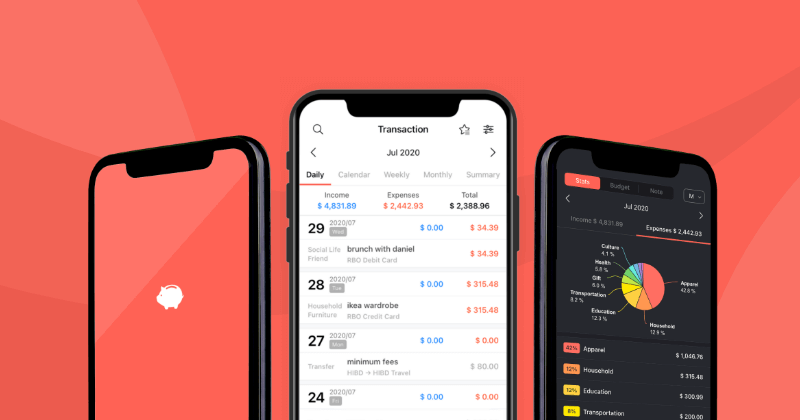
Money Manager remains one of the most widely used budgeting apps for people who prefer manually recording expenses. Users can categorize spending, monitor monthly budgets, and generate easy-to-understand financial reports through charts and graphs.
Its straightforward interface makes it a practical choice for users who want greater control over their day-to-day spending.
Spendee
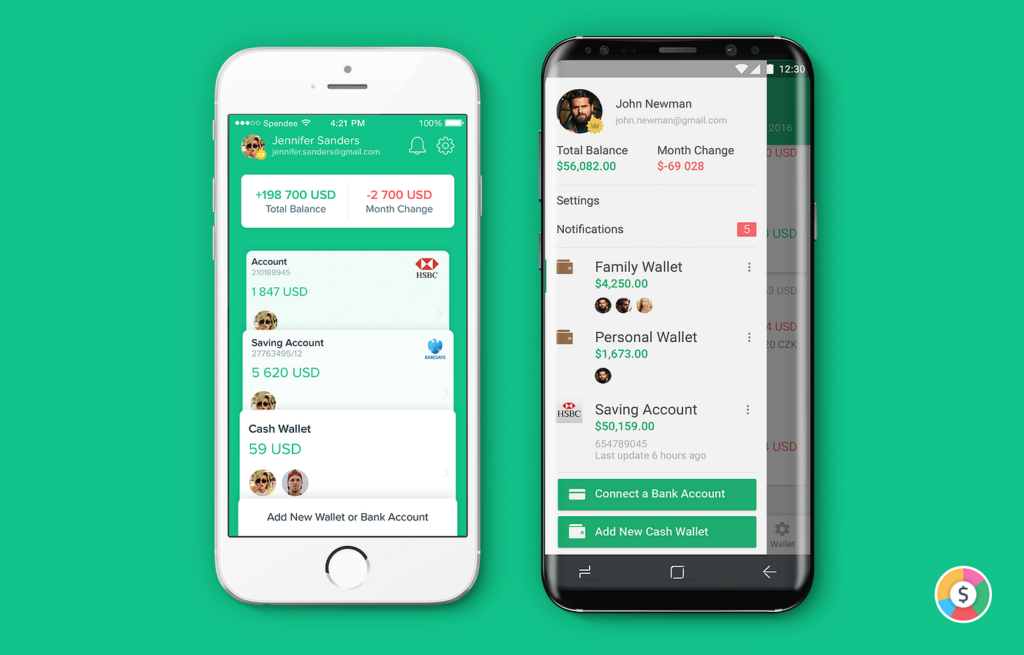
Spendee offers a modern interface for tracking expenses across multiple accounts and wallets. Users can create budgets, organize spending into categories, and visualize their finances through clear, easy-to-read reports.
The app is particularly useful for households or individuals managing multiple income sources.
Choosing the right financial app
No single financial app works for everyone. Freelancers may prioritize income tracking, salaried employees may focus on budgeting and savings goals, while families may benefit from apps that support shared expense management.
Security should also be a key consideration. Users should look for apps that offer strong authentication, data encryption, and regular security updates to help safeguard their financial information.
As digital financial services continue to evolve in the Philippines, financial apps are becoming smarter through automation and artificial intelligence. These innovations make it easier for users to monitor spending, stay within budget, and make better-informed financial decisions.
Better budgeting starts with better visibility
Financial apps have become valuable everyday tools for anyone looking to improve money management. By providing greater visibility into spending, encouraging consistent saving, and simplifying budgeting, these platforms help users make more informed financial decisions.
As digital finance continues to expand across the Philippines, adopting a reliable financial app can be a practical first step toward building stronger financial habits. After all, better financial decisions often begin with a clearer understanding of where every peso goes.