
E-wallet transactions may eventually do more than show where your money went. Under a proposed open-finance law, they could help lenders understand your financial habits—even if you do not have a credit card, payslip, or long banking history.
House Bill No. 9149, or the proposed Open Finance and Consumer Data Empowerment Act, seeks to give Filipinos the right to authorize the sharing of their financial and transactional data with accredited lenders and financial service providers.
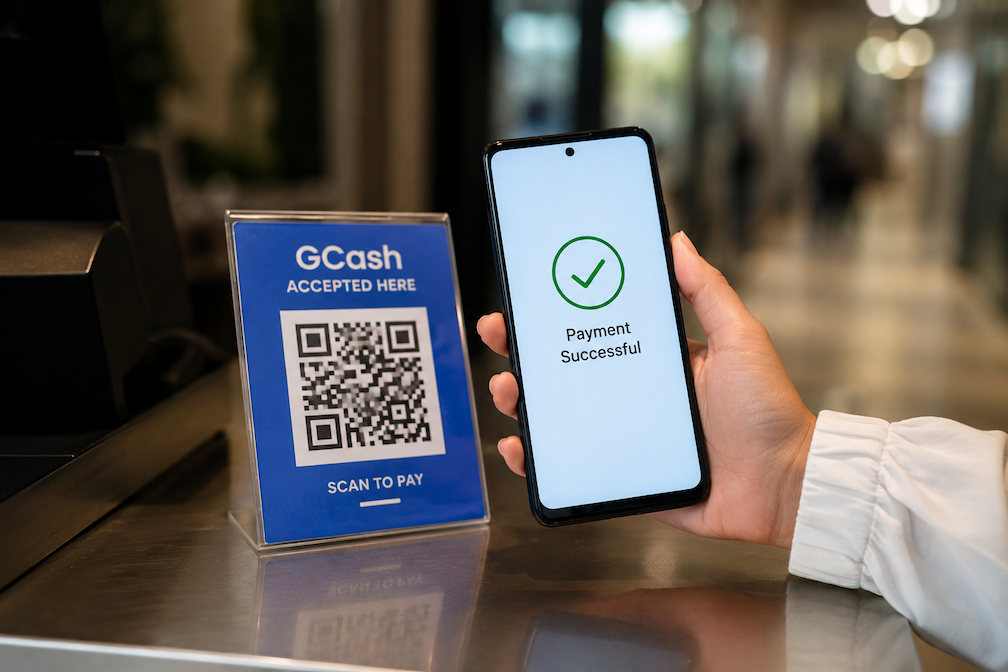
This means the digital trail created when you pay bills, receive money, buy load, maintain subscriptions, or use rewards programs could potentially become part of your credit assessment.
Your transaction history could become financial proof
Traditional lenders normally examine documents such as payslips, bank statements, employment records, and existing credit accounts. That system can disadvantage freelancers, online sellers, gig workers, and informal-sector earners whose income may be regular but difficult to document in conventional ways.
Under the proposed measure, consumers could authorize access to as much as 24 months of transactional information. According to GMA News, this may include bill payments, subscription activity, rewards card usage, and other alternative data.
Imagine a home-based seller who regularly receives customer payments through an e-wallet and consistently settles electricity, internet, and supplier bills. Those activities do not automatically create a traditional credit record. However, they may help show that the person has steady cash flow and responsible payment habits.
Does this guarantee loan approval?
No. Sharing your e-wallet history would not guarantee that a bank or lending company will approve your application.
Lenders would still apply their own eligibility requirements and risk assessments. Your transaction history could simply provide additional information, particularly when a conventional credit record is limited or unavailable.
It may also work both ways. Regular income and timely payments could strengthen an application, while unstable cash flow or frequent missed payments might raise questions.
The bill is also still a proposal. Consumers cannot yet demand that every lender assess them using their e-wallet activity under this measure.
You should remain in control of your data
The most important word in open finance is “permission.”
The Bangko Sentral ng Pilipinas describes open finance as the sharing of customer-permissioned data among financial institutions and authorized third-party providers. Consumers should decide whether access is granted and which information may be shared.
HB 9149 also proposes a Consumer Data Commission that would establish security standards, accredit data recipients, audit compliance, and impose sanctions.
Those safeguards matter because financial histories are highly sensitive. Consumers need clear answers about how long consent lasts, whether it can be withdrawn, how incorrect records can be corrected, and whether information shared for a loan application could later be used for marketing.
If implemented responsibly, open finance could allow your everyday digital activity to speak for you. But access to credit should not come at the expense of privacy, informed consent, or control over your own information.