
Digital transaction records are emerging as more than proof of sales for Filipino small businesses, with GCash highlighting how transaction histories can help merchants build financial credibility and potentially access formal financing.
In an August 12 announcement, GCash said merchants using GCash for Business can create a digital track record from their transactions that may eventually help them qualify for faster and more inclusive financing options.

The development points to a broader shift in small-business lending, where the digital activity generated by everyday payments could increasingly supplement traditional documents, collateral, and formal credit histories.
Every digital sale builds a financial record
For many micro, small, and medium enterprises (MSMEs), accepting digital payments already makes collections and reconciliation easier.
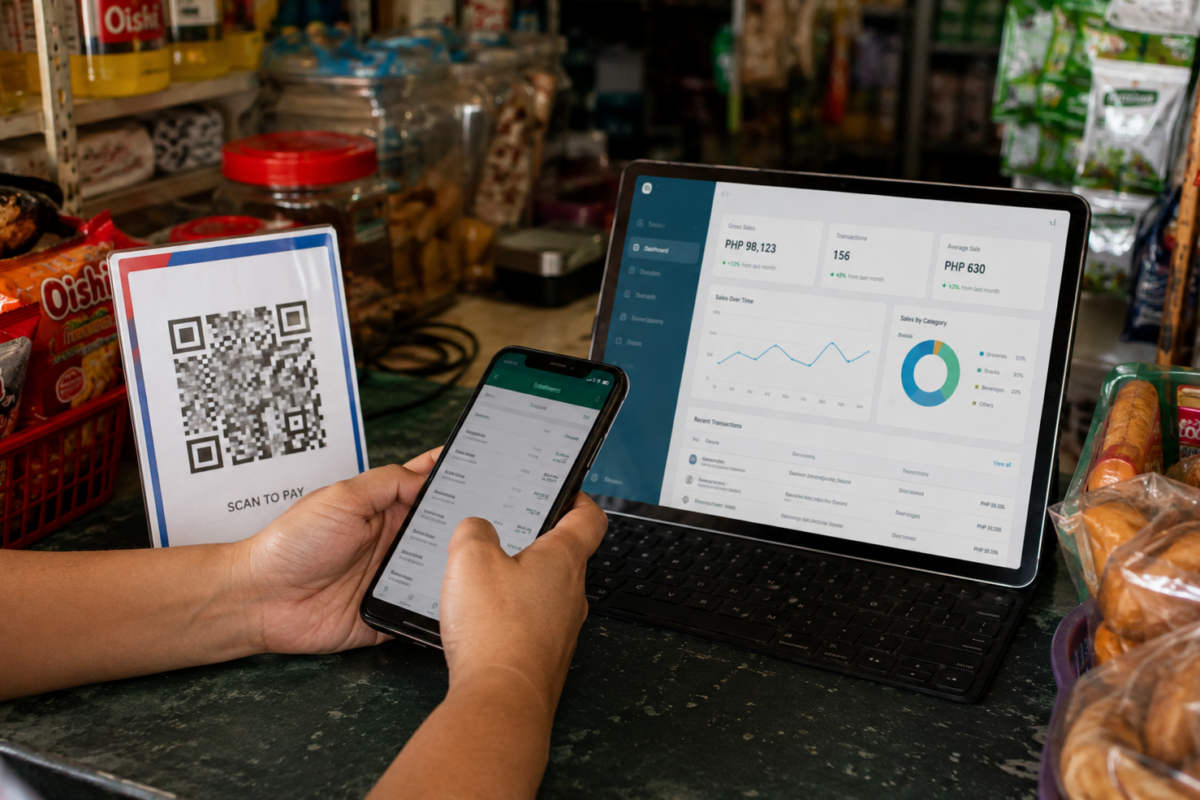
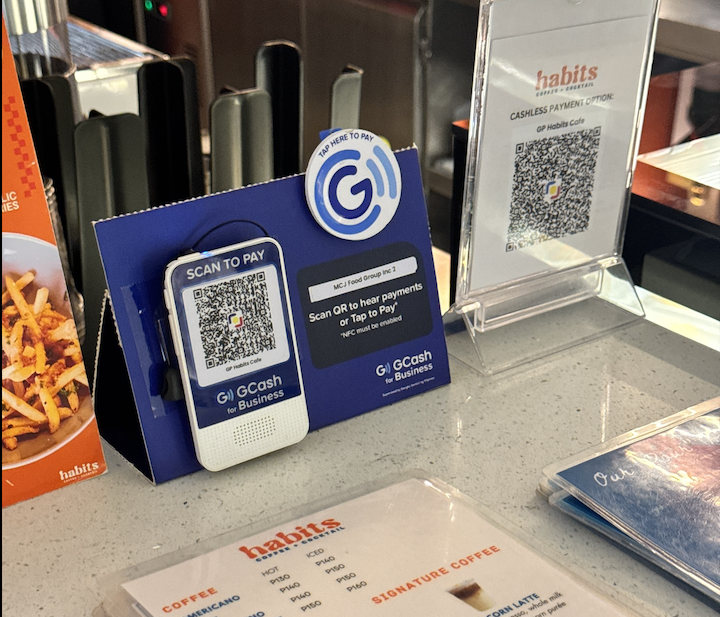
GCash for Business takes that further by allowing merchants to monitor sales, access transaction histories, and download records that can be used for accounting and reconciliation through a centralized dashboard.
Those records can also provide a clearer picture of how consistently a business receives money, how frequently it transacts, and how active it is over time.
GCash said 55% of MSMEs have never applied for a formal loan, citing concerns including high interest rates, complicated requirements, and fear of taking on debt. Many entrepreneurs continue to depend on personal savings or informal borrowing to finance inventory and daily operations.
A reliable digital transaction trail could therefore give lenders another source of information when assessing businesses that have little or no conventional credit history.
Digital behavior is already shaping lending decisions
The idea is not entirely new within GCash.
Its lending ecosystem already uses digital information in determining access to some credit products. GLoan, for example, states that borrowing limits can be influenced by a user’s GScore and GCash transactions.

Fuse Financing Inc., GCash’s lending arm, has now disbursed ₱406 billion in loans to 11.1 million unique borrowers, according to the company. One in three borrowers is a small business owner.
GCash has previously described GScore as a technology-enabled underwriting system that analyzes financial behavior inside the app to determine eligibility, replacing some traditional requirements with digital records and responsible platform usage.
Payments could become part of an MSME’s financial identity
The shift does not mean transaction history alone will guarantee approval for a business loan.
Lenders still need to evaluate repayment capacity, credit risk, affordability, and other factors before extending financing. But digital records can provide additional information about entrepreneurs who previously had little financial data available.
For MSMEs, that changes the value of accepting digital payments.
A QR payment or card transaction is no longer useful only at the moment a customer pays. Each transaction can become another entry in a longer financial record showing how a business operates.
As more Filipino merchants move their sales and operations online, the payment trail they leave behind could increasingly become part of the profile lenders use to decide who gets access to capital next.