
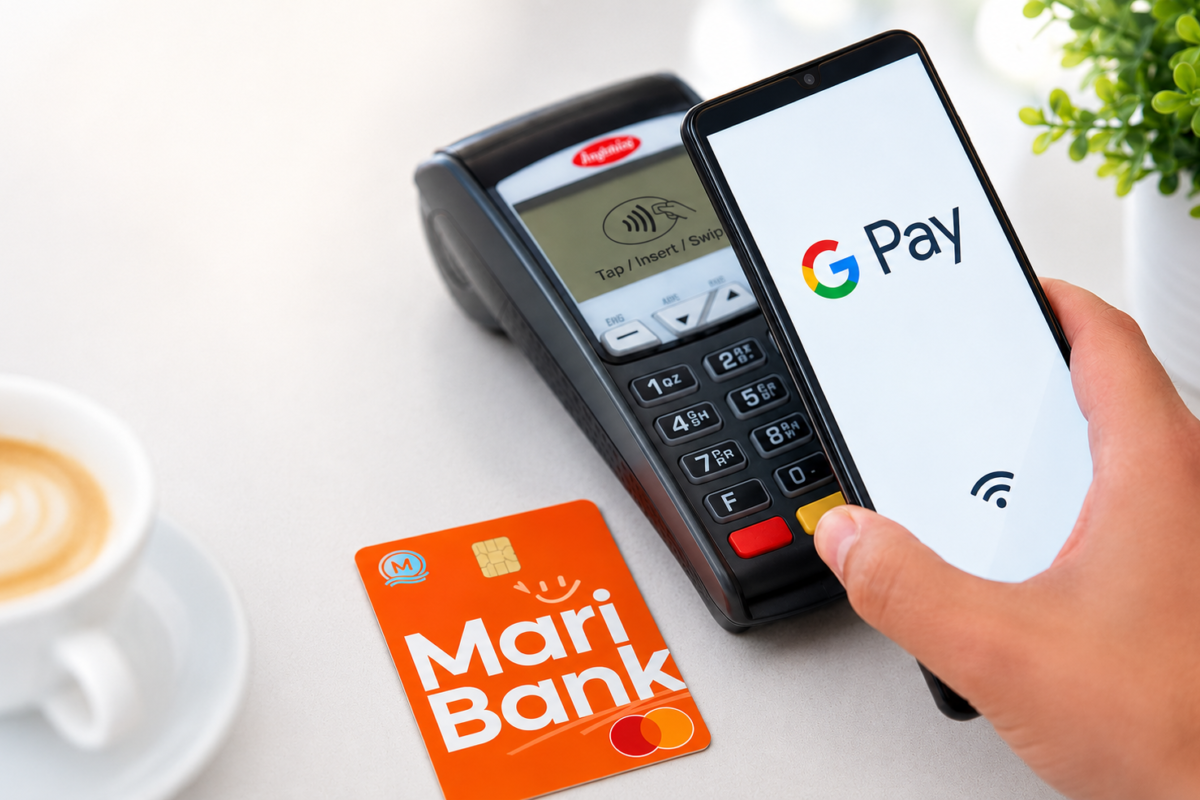
MariBank cardholders now have another way to pay in stores as the digital bank’s cards can now be added to Google Wallet for Google Pay transactions.
The update allows eligible MariBank cardholders using NFC-enabled Android devices to make contactless payments by tapping their smartphones at compatible payment terminals — eliminating the need to pull out a physical card.

This move adds MariBank to the growing list of financial institutions supporting mobile wallet payments in the Philippines, as contactless transactions become increasingly common for everyday purchases.
MariBank brings cards to Google Wallet
With Google Pay support, eligible MariBank cardholders can add their cards to Google Wallet and use their Android smartphones for in-store purchases.
Once the card is set up and NFC is enabled, users can pay at compatible terminals simply by tapping their phone, providing an alternative to using a physical card.
This feature offers added convenience for customers who already rely on their smartphones for banking, payments, and other financial services.
Mobile wallets also allow consumers to consolidate supported cards into a single digital location, reducing the need to carry multiple physical cards for routine errands.
Another step in MariBank’s digital banking expansion
The Google Pay integration comes as MariBank continues to build its presence in the Philippine digital banking landscape.
MariBank recently became the country’s seventh licensed digital bank in July, joining a growing roster of app-based financial institutions competing to attract Filipino consumers with digital-first banking products and services.
The addition of mobile wallet payments offers MariBank cardholders another digital channel beyond its standard banking app. For digital banks, supporting widely used payment platforms helps bridge account balances directly toeveryday consumer spending, allowing customers to use their accounts beyond the banking app itself.
Tap-to-pay gains ground in the Philippines
The growing adoption of Google Pay by local financial institutions reflects a broader shift toward contactless transactions.
Instead of inserting or swiping a physical card, consumers can use NFC-enabled smartphones at compatible payment terminals to complete a transaction instantly.
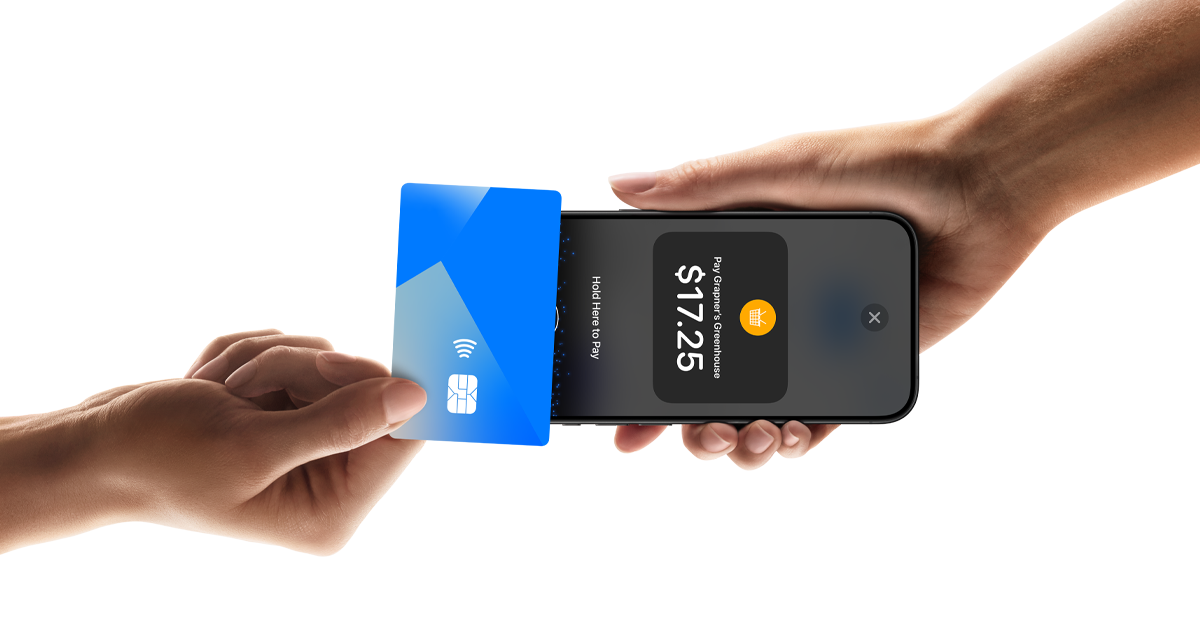
Tap-to-pay technology has become increasingly visible across retail stores, restaurants, transit hubs, and other establishments as consumers become more comfortable with contactless options. For consumers, the main appeal is convenience—turning a smartphone they already carry into a secure digital wallet.
This expanding support gives Filipino consumers greater flexibility in how they transact, whether through physical cards, smartphones, QR codes, or other digital payment methods.
What MariBank cardholders need to know
To use Google Pay, MariBank customers will need an eligible MariBank card, a compatible Android device with NFC capabilities, and a merchant terminal that accepts contactless payments.
Users should ensure their device security settings (such as biometric authentication or screen lock) are enabled before adding a payment card to Google Wallet.
As with any digital payment method, customers should keep their devices secured and avoid sharing sensitive account credentials.
This expansion highlights how the role of a bank card is evolving: rather than being restricted to a physical piece of plastic, a card can exist seamlessly within a broader digital ecosystem.
Digital banks move beyond the banking app
MariBank’s Google Pay integration illustrates how digital banks are looking beyond their native applications to become part of consumers’ daily routines.
While a digital bank often starts by offering basic deposit, transfer, and account management features, payment integrations extend its utility into physical retail spaces. For consumers, the line between digital banking and digital payments is becoming increasingly blurred.
As more banks and financial institutions support mobile wallets, Filipinos gain more ways to transition seamlessly from managing money digitally to spending it digitally. MariBank’s integration with Google Pay adds another milestone to that expanding ecosystem and gives its cardholders a simpler way to make contactless payments using devices they already carry every day.