Not too long ago, financial inclusion was largely measured by one thing: whether someone had a bank account.
Today, that benchmark is starting to change.
For many Filipinos, the first step into the formal financial system no longer happens inside a bank branch. It happens on a smartphone through the same apps they already use to pay bills, order food, shop online, book rides, or buy prepaid load.
What began as simple payment platforms has steadily evolved into something much bigger.
Digital wallets become gateways to broader financial services
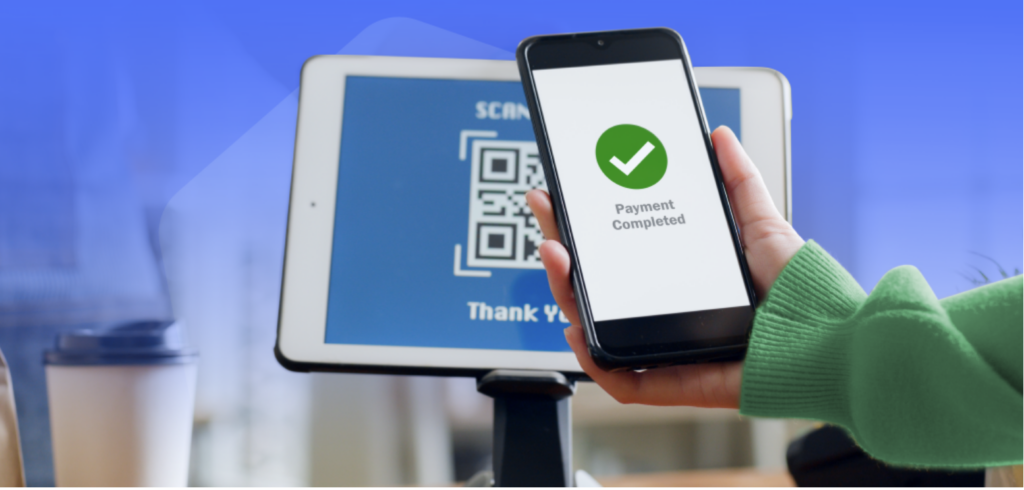
IMAGE CREDIT: Freepik
According to J.P. Morgan, digital wallets now account for US$4.4 trillion in payment volumes worldwide, while so-called “super apps” are reshaping financial services by combining payments, lending, savings, and insurance in a single platform.
Southeast Asia has been at the forefront of this shift, with companies such as Grab and Gojek expanding from ride-hailing into broader financial ecosystems.
The Philippines is following a similar path.
Platforms like GCash and Maya are already part of millions of Filipinos’ daily routines. Initially embraced as convenient alternatives to cash, these apps have gradually become places where users can do much more than just send money or pay for purchases.
Need a small loan before payday? It’s available in a few taps. Want to set aside extra cash? There’s an in-app savings product. Looking for affordable insurance? That can often be purchased without ever visiting a bank or filling out lengthy forms.
The shift may seem incremental, but it represents a significant change in how financial services are delivered.
Everyday apps are reshaping financial inclusion in Philippines
IMAGE CREDIT: BSP
For years, many Filipinos found it difficult to access traditional banking because they lacked the documents, credit history, or proximity to a physical branch needed to qualify.
By embedding financial services into apps that people already trust and use every day, fintech companies are reaching customers where conventional banking often struggled.
In many cases, users don’t consciously decide to “join” the financial system. They simply use an app for one purpose, then gradually discover they can borrow, save, invest, or protect themselves financially without leaving the same platform.
That is changing the meaning of financial inclusion.
Instead of focusing solely on opening more bank accounts, the conversation is shifting toward expanding access to useful financial services — wherever people already are.
The rapid growth of embedded finance also brings new responsibilities. As more lending, savings, and insurance products move into digital platforms, regulators continue to strengthen rules on consumer protection, responsible lending, cybersecurity, and data privacy to ensure innovation does not come at the expense of trust.
Financial inclusion is no longer just about connecting people to banks. Increasingly, it is about making financial services a natural part of everyday life.
For millions of Filipinos, the most important financial platform may no longer be the nearest bank branch. It could simply be the app they already open several times a day.