
Getting your first credit card can feel like a financial milestone. It can also become an expensive one if you choose a card based on rewards and promos without looking at the fees that come with it.
For first-time Filipino cardholders, the best credit card is not necessarily the one offering the most airline miles, cashback or welcome gifts. A good beginner card should be relatively inexpensive to maintain, straightforward to use and suitable for establishing responsible credit habits.
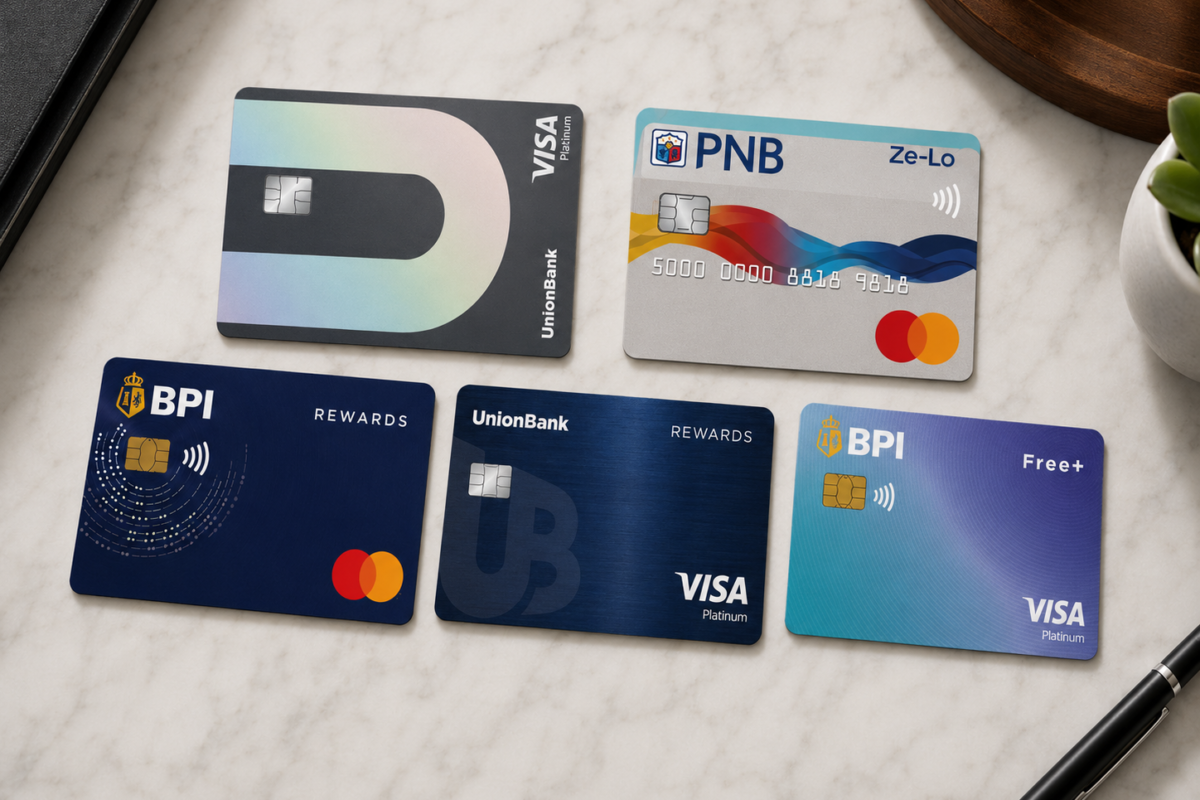
Here are some of the best credit cards for beginners in the Philippines in 2026, based on current features and fees published by their issuing banks.
PNB Ze-Lo Mastercard: Best overall for beginners
The PNB Ze-Lo Mastercard is one of the strongest entry-level options for someone applying for a credit card for the first time.
PNB lists a minimum annual income requirement of just ₱120,000, or roughly ₱10,000 a month, while employed applicants may submit a recent payslip, certificate of employment or income tax return instead of an existing credit card.
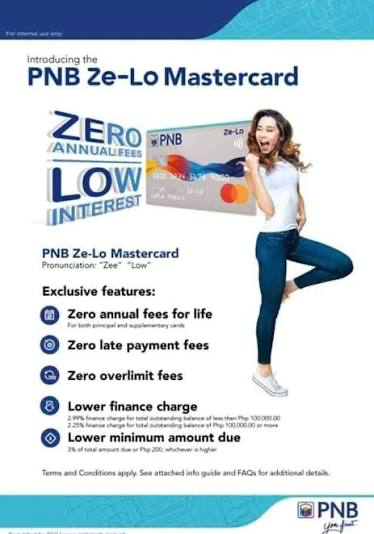
More importantly for beginners, the card comes with no annual fee for life, with no spending requirement needed to maintain the waiver. PNB also does not charge late payment or overlimit fees on the card and currently lists a 2.5% monthly finance charge, lower than the 3% charged by many standard credit cards.
There is a trade-off: the Ze-Lo Mastercard does not earn rewards points.
For a first card, however, that may not be a deal-breaker. Avoiding an annual fee can be more valuable than earning points slowly, particularly for consumers who plan to use their card only for occasional purchases or recurring expenses.
It is also worth remembering that having no late-payment fee does not mean cardholders can ignore their bill. PNB says finance charges and other applicable charges can still apply when payments are missed.
Best for: first-time applicants who want low fees and a relatively accessible income requirement.
UnionBank U Platinum: Best for no annual fee with no conditions
Another straightforward option is the UnionBank U Platinum Mastercard or U Visa Platinum.
UnionBank says both versions come with no annual fee every year, without requiring cardholders to call the bank or meet a minimum annual spending threshold. The same zero-annual-fee structure applies to principal and supplementary U cards.
That makes the U card attractive to beginners who do not want to worry about maximizing rewards or spending enough every year just to keep a fee waiver.
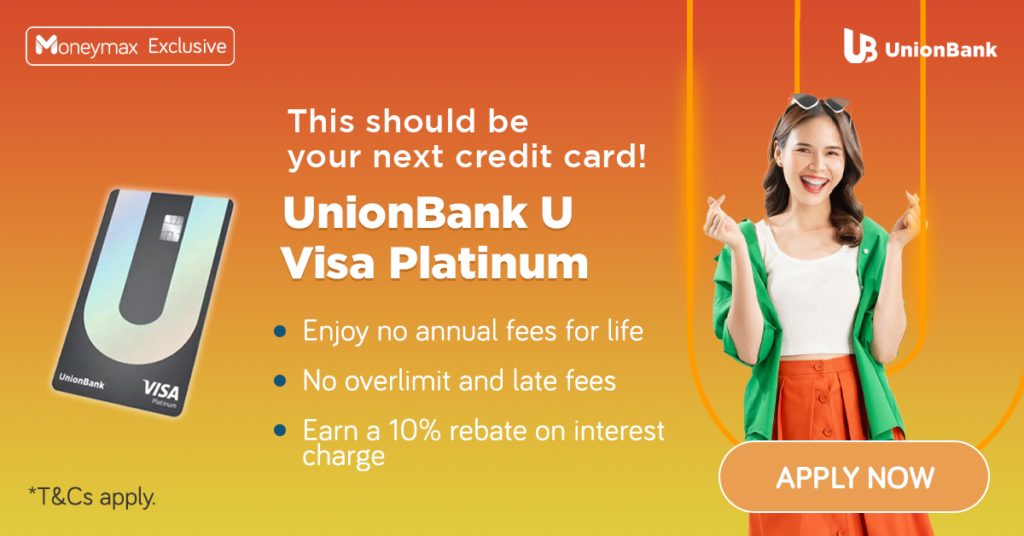
Its biggest advantage is simplicity. A cardholder can keep the account open for everyday purchases and build a longer credit relationship without an annual membership fee eating into the value of the card.
For people choosing their first credit card primarily as a payment tool rather than a rewards engine, that simplicity can be a feature rather than a limitation.
Best for: beginners who want a low-maintenance card they can potentially keep for years.
BPI Rewards Card: Best for beginners who want rewards
Some first-time cardholders may prefer a card that earns something back from their everyday spending.
The BPI Rewards Card earns one BPI Rewards Point for every ₱35 spent, with points redeemable for options including shopping credits, gift certificates, dining rewards and airline miles.
It also offers flexible installment options and a 1.85% foreign transaction service fee, making it potentially useful for those who occasionally shop from international merchants or travel abroad.
Unlike the PNB Ze-Lo and UnionBank U, however, the BPI Rewards Card is not permanently free to maintain. The first year’s annual membership fee is waived, after which the principal card currently costs ₱1,550 per year.
For someone who already banks with BPI or expects to use the card regularly enough to benefit from its rewards and promotions, the annual fee may be easier to justify.
Best for: beginners who want a traditional rewards card and expect to use it regularly.
UnionBank Rewards Secured Credit Card: Best if getting approved is the problem
Getting a first credit card can be difficult precisely because you do not have an existing credit-card history.
That is where a secured credit card can help.
UnionBank’s Rewards Secured Credit Card allows applicants to use a savings deposit as security for the card. The bank currently requires a security deposit starting at ₱20,000, with the credit limit equivalent to 90% of the deposit. UnionBank advertises the product with “100% Card Approval,” subject to its product terms and conditions.
Instead of the bank relying entirely on an applicant’s existing credit profile, the deposited funds provide security behind the credit line.
This can make a secured card useful for young professionals, freelancers or others who want to begin establishing a credit history but are having difficulty qualifying for a conventional card.
Best for: applicants with little or no credit history who are willing to maintain a security deposit.
What about BPI Free+?
BPI now also lists the BPI Free+ Card, which has no annual membership fee and a lower 2.5% monthly finance chargethan most regular BPI cards.
On paper, those features make it particularly interesting for beginners.
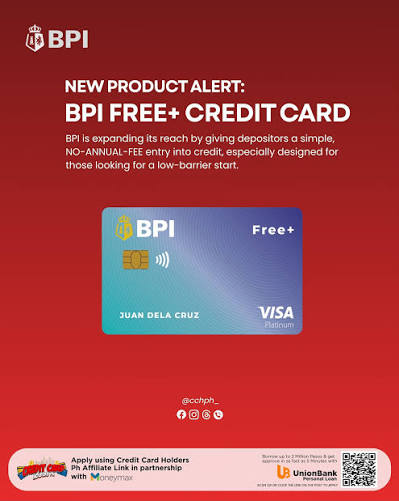
There is one catch. As of August 2026, BPI says the Free+ Card is still offered exclusively to select BPI depositors who have been directly notified by the bank. Public applications have not yet opened.
If BPI eventually makes the product widely available, it could become another strong contender in the beginner credit-card market.
So, which first credit card should you choose?
There is no single card that works for every first-time cardholder.
The PNB Ze-Lo Mastercard stands out for beginners prioritizing accessibility and low fees. UnionBank U Platinum is attractive for consumers who simply want a permanently no-annual-fee card, while BPI Rewards makes more sense for those willing to pay an eventual annual fee in exchange for rewards and additional features.
If getting approved for a regular card remains difficult, a secured credit card may be a more practical starting point than repeatedly applying to different banks.
Whichever card you choose, the most important beginner strategy has little to do with the card itself: spend only what you can afford to repay and, whenever possible, pay the full statement balance by the due date.
Rewards can be useful, but paying interest on an unpaid balance can quickly wipe out whatever points, cashback or discounts a credit card earns.
Credit card features, fees, eligibility requirements and promotions are subject to change. Applications remain subject to the issuing bank’s evaluation and approval.