Low forex credit cards can make a noticeable difference for Filipinos who frequently travel abroad, shop on international websites, book hotels in foreign currencies, or pay for overseas subscriptions.
Every time a Philippine credit card processes a foreign-currency purchase, the transaction is converted to pesos using the card network or issuer’s applicable exchange rate. A foreign transaction or forex conversion fee may then be added on top.
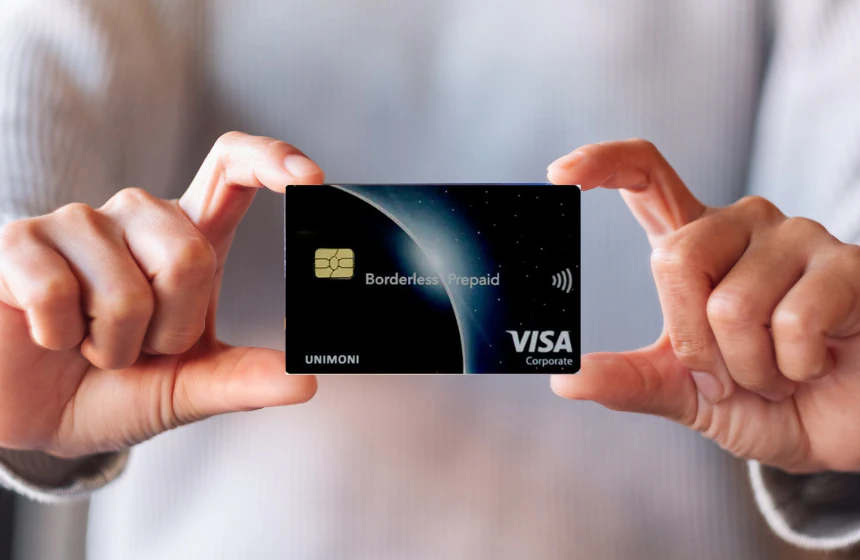
IMAGE CREDIT: Visa
The difference between cards can look small at 1% or 2%, but it grows quickly with spending. On ₱100,000 worth of converted foreign purchases, a 1.50% fee is roughly ₱1,500, while a 2.50% fee adds around ₱2,500.
As of August 17, 2026, several Philippine credit cards stand out for keeping that extra cost below 2%.
| Credit card | Published FX fee | Approx. fee on ₱100,000 |
|---|---|---|
| HSBC Premier Travel | 0% issuer FX fee, 0.99% Mastercard cross-border fee | ₱990 |
| RCBC Airmiles Visa Signature | 1.50% promo | ₱1,500 |
| EastWest KrisFlyer World/Platinum | 1.70% | ₱1,700 |
| Chinabank Destinations World | 1.70% | ₱1,700 |
| BPI eligible credit cards | 1.85% | ₱1,850 |
| Metrobank World Mastercard | 1.85% | ₱1,850 |
Actual peso amounts can still differ because exchange rates are determined at the time the transaction is processed or posted.
HSBC Premier Travel has the lowest effective charge, but access is limited
The HSBC Premier Travel Credit Card currently advertises 0% FX fees on overseas and online purchases. HSBC’s own footnote, however, says Mastercard converts the transaction to pesos and charges a 0.99% FX cross-border service fee.
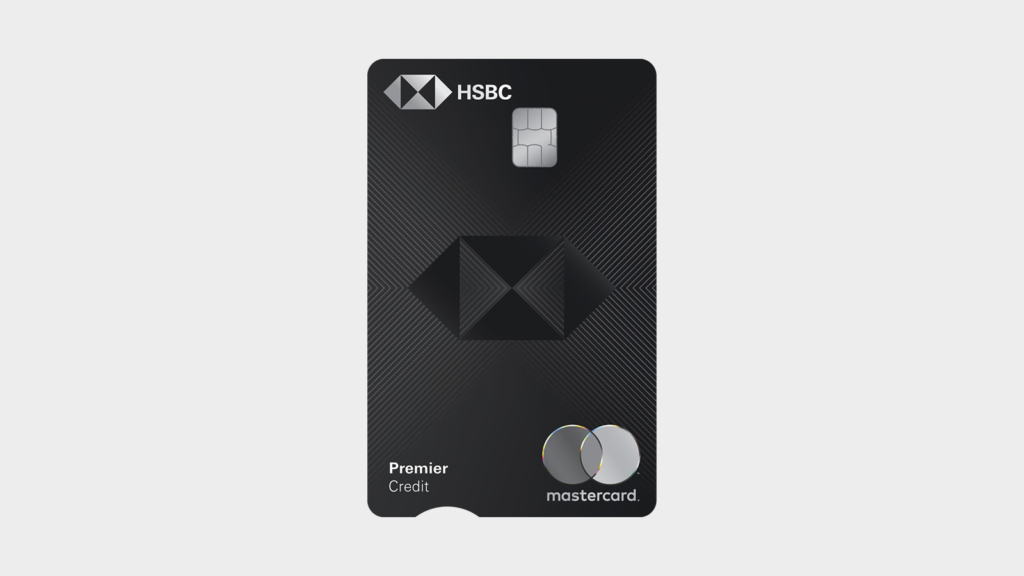
That still puts the card below the other options in this guide, but it is not designed for the mass market.
HSBC says only Premier bank account holders with at least ₱5 million in Total Relationship Balance are eligible for the Premier Travel Card. Its primary annual fee is ₱12,500, although this is waived for customers maintaining at least ₱5 million in TRB.
For eligible Premier customers who spend heavily overseas, the lower conversion cost can become a meaningful part of the card’s travel proposition.
RCBC Airmiles cuts its fee to 1.50% through 2026
The RCBC Airmiles Visa Signature is currently one of the strongest alternatives without requiring private or premier banking status.
RCBC has lowered its all-in foreign currency service fee to 1.50% until December 31, 2026, covering international purchases both in-store and online. Its standard FX conversion fee is 1.70%.
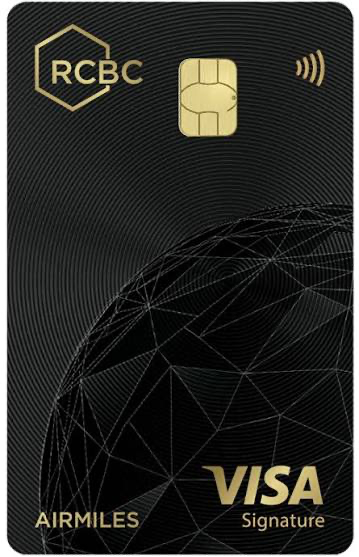
The card also earns one Signature Airmile for every ₱25 of overseas spend, giving frequent travelers another reason to compare it with cards focused solely on keeping conversion charges low.
Existing RCBC Visa Infinite cardholders also have access to a 1.50% FX fee promo until August 23, 2026, although that offer is much closer to expiry.
EastWest and Chinabank settle at 1.70%
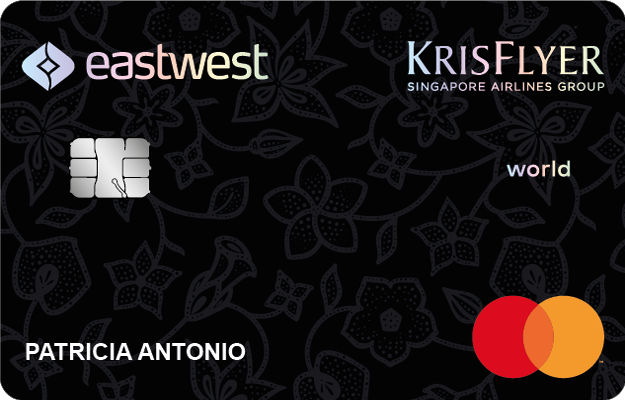
EastWest’s Singapore Airlines KrisFlyer World Mastercard and KrisFlyer Platinum Mastercard both carry a published foreign currency conversion fee of 1.70%.
For travelers already collecting KrisFlyer miles, this can make the cards particularly useful because lower conversion costs sit alongside travel rewards rather than requiring users to sacrifice mileage earning just to reduce fees.
The Chinabank Destinations World Mastercard also charges a 1.70% foreign transaction fee for purchases abroad or online. It earns one rewards point, equivalent to one airline mile, for every ₱30 spent.
That puts both issuers among the lower-fee options available to Philippine cardholders even without relying on a short-term promotional rate.
BPI makes 1.85% available across more cards
BPI may be particularly relevant for consumers who want a low forex rate without applying for a top-tier travel card.
The bank charges a 1.85% foreign exchange conversion fee, already including the 1% Mastercard or Visa assessment fee, across a wide range of cards including BPI Rewards, Gold Rewards, Platinum Rewards, Signature, Amore Cashback and Petron BPI.
That broader availability distinguishes BPI from low-fee offers tied specifically to premium cards.
Metrobank’s World Mastercard similarly advertises a 1.85% forex fee for both in-store and online foreign-currency spending, while also offering accelerated rewards on foreign transactions.
Always choose the merchant’s local currency
A low forex credit card will not help as much if the cardholder accepts an unfavorable conversion at checkout.
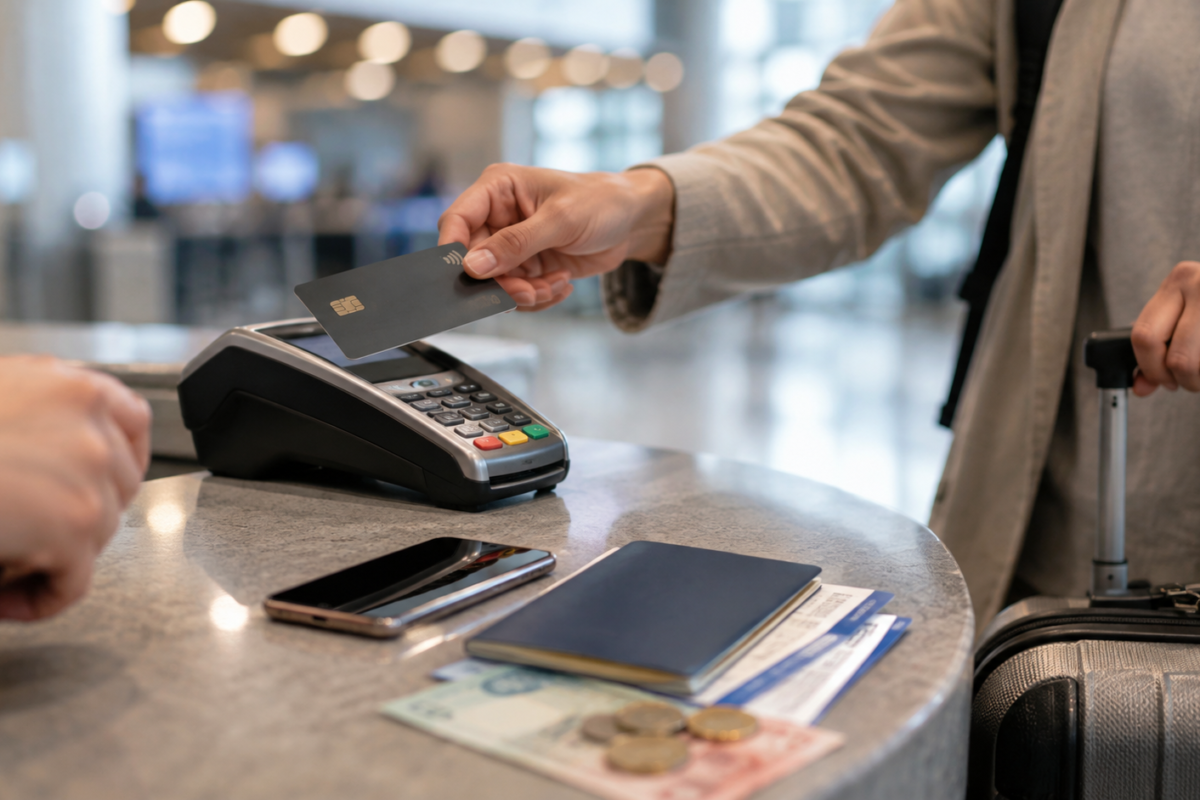
When a terminal abroad asks whether to pay in Philippine pesos or the country’s local currency, choosing pesos may activate Dynamic Currency Conversion or DCC, where the merchant or its payment provider performs the conversion.
BPI specifically advises customers to have overseas transactions billed in the foreign currency rather than Philippine pesos, while RCBC requires local-currency billing for its 1.50% promotions.

IMAGE CREDIT: Magnific
For example, in Japan, choose Japanese yen. In South Korea, choose won. In Europe, choose euros where applicable.
The lowest advertised forex fee should also not be the only reason to apply for a card. Annual fees, income requirements, rewards, lounge access and how often a cardholder actually spends overseas can easily change which option provides the best overall value.
For frequent international spenders, however, keeping the foreign conversion fee below 2% is a useful starting point. Over multiple trips, hotel bookings and overseas purchases, fractions of a percentage point can translate into thousands of pesos kept in the cardholder’s pocket.