

Digital credit gap remains a challenge for many small businesses in the Philippines, even as digital lending platforms and alternative credit scoring give lenders more ways to assess borrowers.
For micro, small, and medium enterprises (MSMEs), access to financing can determine whether a business can purchase inventory, manage cash flow, hire workers, or expand. Yet many small businesses still struggle to qualify for traditional bank loans because they lack the financial history and collateral lenders typically require.
Why traditional credit scores fall short
Banks generally assess borrowers using financial statements, credit histories, collateral, and documented income. These requirements can create difficulties for small businesses operating with limited records or short credit histories.
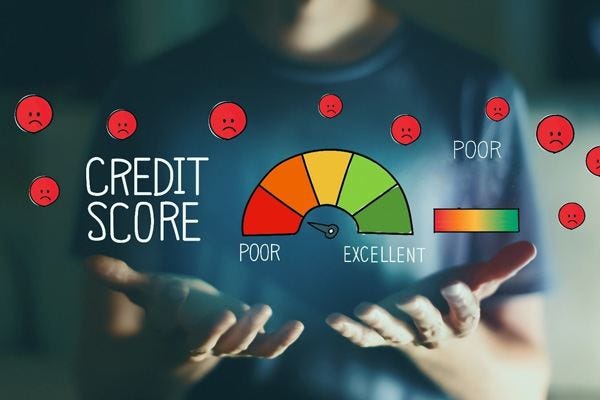
A business may have regular customers and steady daily sales but still appear risky to a conventional credit assessment if those activities are not captured in formal financial records.
This is where the digital credit gap becomes more visible. The data needed to demonstrate a business’s ability to repay may exist, but lenders may not always have access to it.
Transaction data could change lending
Digital payments are creating new sources of information that could help lenders evaluate MSMEs.
Sales transactions, payment histories, cash-flow patterns, inventory activity, and other business data can provide a clearer picture of how a small enterprise operates. With the borrower’s consent and appropriate safeguards, this information could complement traditional credit bureau records.
Alternative credit scoring can also help lenders assess businesses that have limited conventional credit histories. Instead of relying only on collateral or past loans, digital lenders can analyze a broader set of indicators to estimate repayment capacity.
Digital lending expands the options
Digital lending platforms are also changing how MSMEs access financing. Online applications, automated assessments, and faster disbursements can reduce some of the friction associated with traditional borrowing.
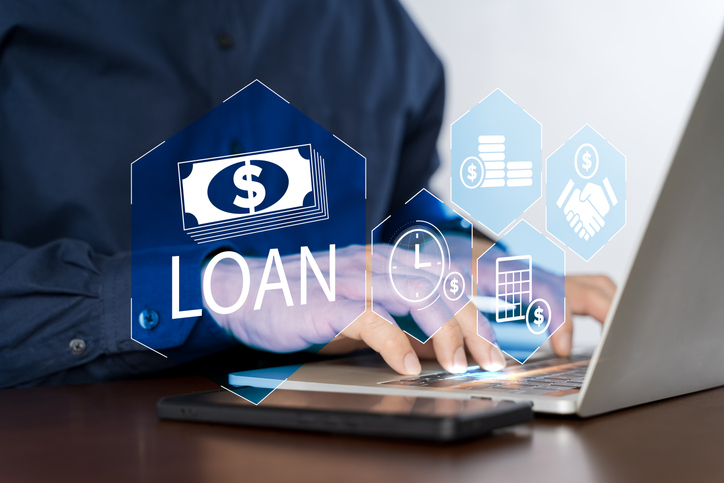
For a small retailer that needs working capital quickly, a digital loan based on actual business activity could be more practical than a lengthy application requiring extensive documentation.
However, faster access does not automatically mean better access. Interest rates, fees, repayment schedules, data privacy, and responsible lending practices remain important considerations.
Closing the gap requires more than technology
Technology can help narrow the digital credit gap, but it cannot solve the financing problem by itself.
Lenders need reliable and consent-based data, while MSMEs need better financial records and greater digital adoption. Regulators must also ensure that alternative credit scoring does not create new forms of exclusion or expose small businesses to excessive borrowing costs.
The opportunity is significant. As more Filipino businesses accept digital payments, their transaction history could increasingly become part of their financial identity.
From transactions to financial access
The next stage of MSME lending may depend less on whether a small business has a long credit history and more on whether its digital activity can demonstrate real economic performance.
If banks and fintech companies can responsibly turn transaction data into credible credit signals, more MSMEs could gain access to financing.
For millions of small businesses, closing the digital credit gap could mean turning everyday digital transactions into a pathway toward the capital they need to grow.