Foreign tourists visiting the Philippines can now use supported e-wallets and banking apps from their home countries to pay merchants displaying QR Ph codes, following a new connection between the country’s national QR payment standard and Ant International’s Alipay+ network.
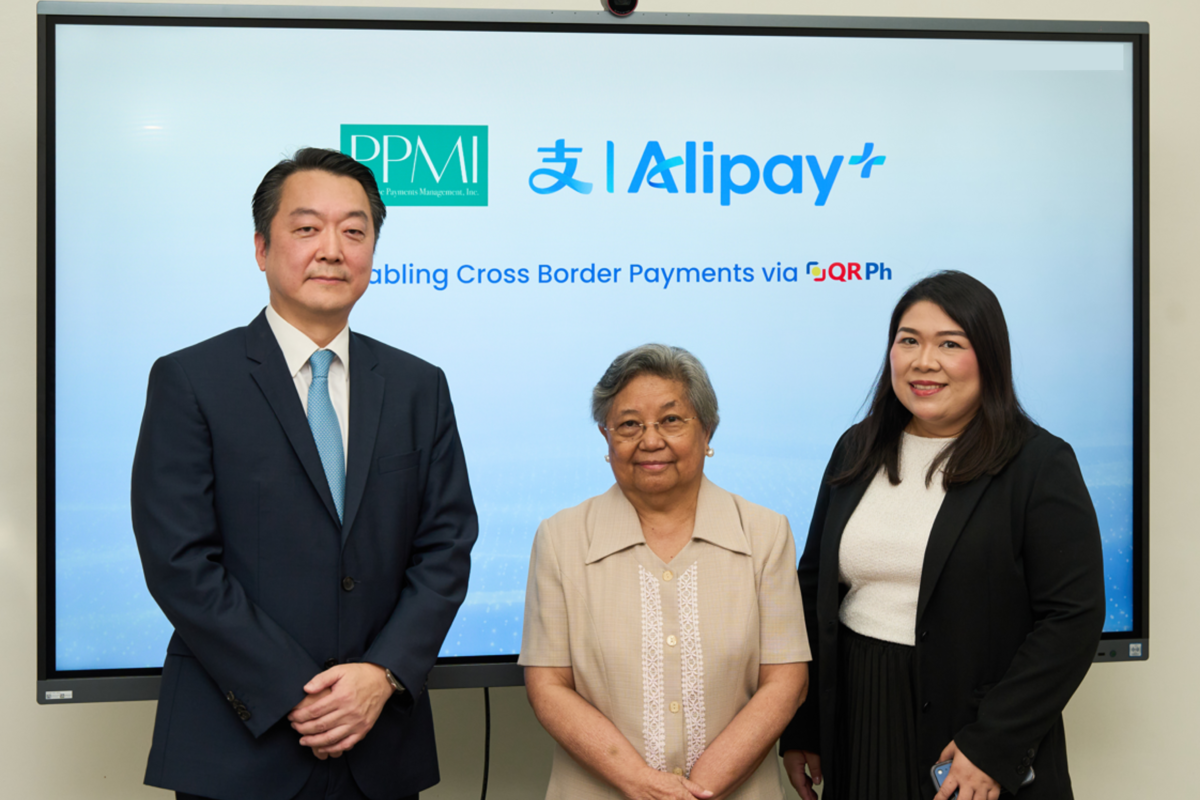
The Philippine Payments Management Inc. (PPMI) and Ant International announced on September 1 that Alipay+ has officially been enabled on QR Ph, extending the local payment network to international consumers.
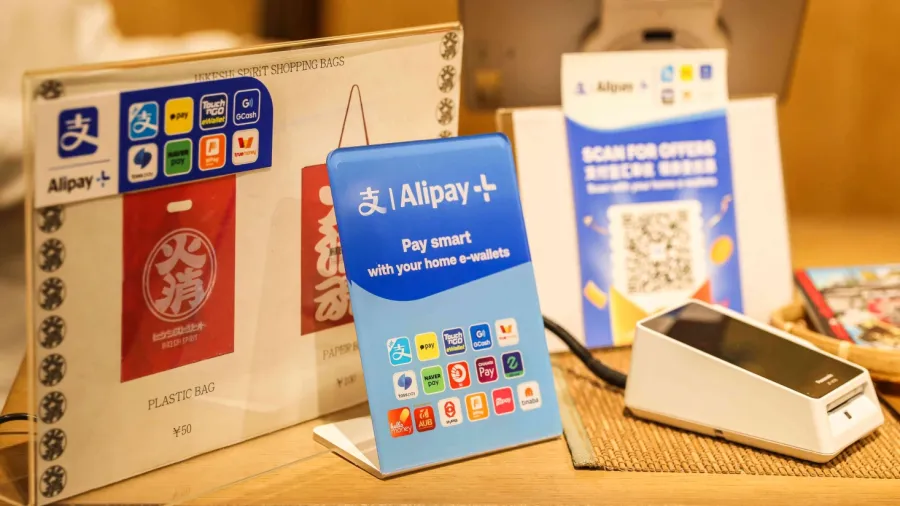
For Philippine merchants, the important part is that they do not need to display a separate Alipay+ QR code. According to the companies, existing QR Ph codes can already receive payments from supported Alipay+ partner users.
Tourists can scan the same QR Ph codes Filipinos use
Under the arrangement, an international visitor opens a supported home e-wallet or banking app and scans the Philippine merchant’s QR Ph code.
Alipay+ acts as the connection between participating overseas payment apps and the Philippine QR network. This gives travelers another way to pay locally without requiring the merchant to separately integrate each foreign e-wallet.
The announcement does not specify that every Alipay+ wallet will automatically work at every QR Ph merchant. Availability will still depend on participating payment providers and their respective services.
Alipay+ currently connects more than 2 billion consumer accounts through over 50 mobile payment providers, including e-wallets and banking apps. Its network spans more than 220 markets and is connected to more than 10 national QR schemes across Asia, the Middle East and Latin America.
Existing QR Ph merchants gain access to foreign wallets
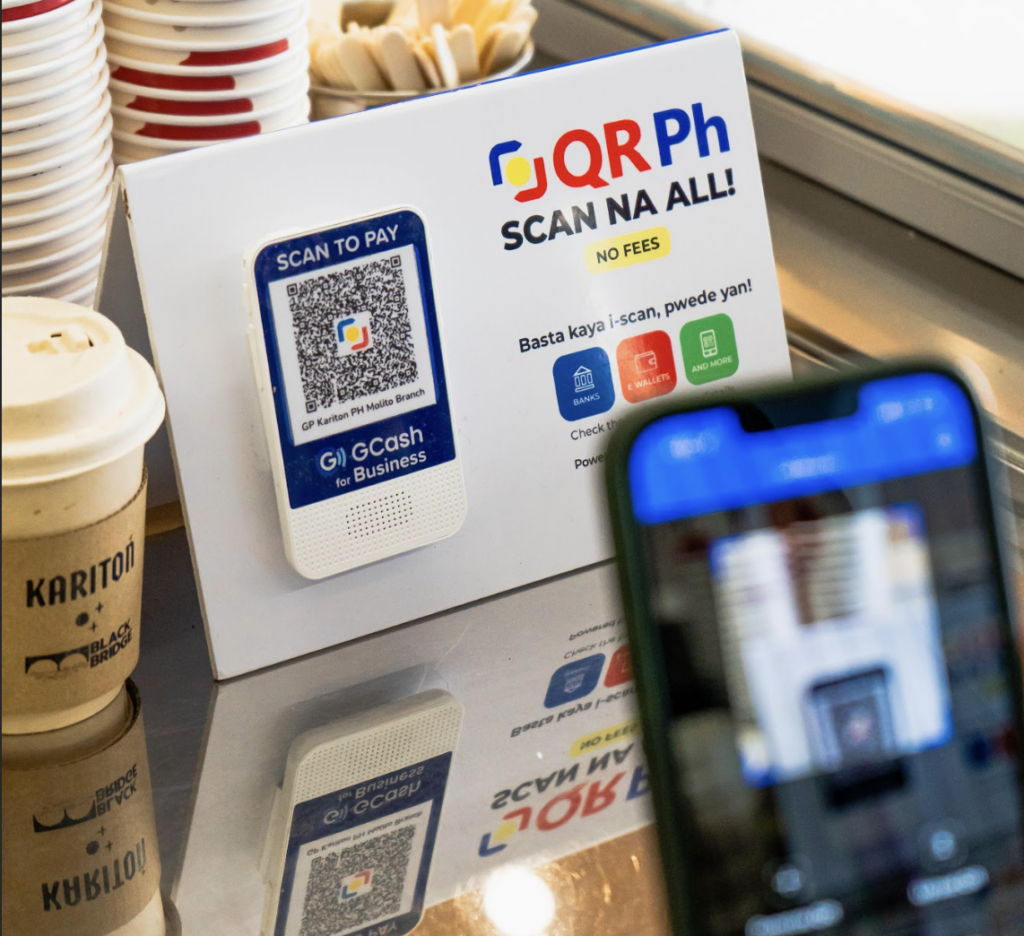
The bigger change may be on the merchant side.
Instead of a restaurant, convenience store, hotel or small retailer having to add separate payment infrastructure for different groups of overseas customers, the existing QR Ph acceptance point can serve as the common entry point for supported international wallets.
That could be particularly useful for smaller tourism businesses that already accept QR Ph but do not operate card terminals or maintain integrations with multiple international payment providers.
PPMI General Manager Carmelita Araneta said the connection extends QR Ph’s interoperability beyond Philippine consumers and allows Filipino merchants, particularly small and medium enterprises, to serve international customers more easily.
QR Ph already has a large domestic footprint. The BSP’s payments data recorded more than 2.28 million registered QR Ph person-to-merchant IDs as of the end of 2025, although the central bank notes that the figure does not represent unique businesses because a merchant can have multiple IDs or acquirers.
QR Ph is becoming cross-border payment infrastructure
QR Ph was designed to solve a domestic interoperability problem: customers should not need to worry about whether a merchant uses the same bank or e-wallet they do.
Connecting that infrastructure to Alipay+ extends the same principle to some international transactions.
The expansion comes as QR payments are becoming a much larger part of everyday Philippine commerce. According to the BSP’s 2025 e-payments figures, digital channels accounted for 64.69% of the country’s retail payment transaction volume in 2025.
PPMI and Ant International said QR Ph transaction volume also increased more than 13-fold during the year.
For foreign visitors, the result is a payment experience closer to what they already use at home. For Philippine merchants, particularly smaller businesses, it potentially opens international wallet acceptance without requiring another QR code at the counter.
The development also moves QR Ph beyond being simply a domestic cashless-payment standard. It is increasingly becoming part of the infrastructure connecting Philippine merchants to payment networks outside the country.