

For Filipinos, Christmas does not wait until December.
The holiday season begins as early as September, when Christmas songs return to playlists, malls start decorating, brands launch holiday campaigns, and families begin planning reunions, gifts and trips.
But there is another transformation happening during the Philippine Christmas season: more of the money behind the celebrations is moving through digital financial services.
From e-wallets and digital banks to remittances, online shopping, digital lending and QR payments, fintech has become increasingly woven into how Filipinos prepare for and spend the holidays.
What was once largely a season of cash, envelopes and long lines at banks and remittance centers is becoming a more connected financial experience. Money can now be sent to relatives through an app, received digitally, used to pay a merchant through a QR code, saved in a digital bank, or spent on an online marketplace without leaving home.
As the Ber months begin, Christmas is increasingly becoming a fintech season.
The Ber months bring a spending shift
The arrival of September signals the beginning of a spending cycle that builds toward Christmas.
Filipino households begin budgeting for gifts, food, travel, reunions, parties and other holiday expenses. Employees anticipate bonuses and other year-end income, while businesses prepare for higher consumer demand.
For fintech companies, this creates an environment where financial services become particularly relevant.
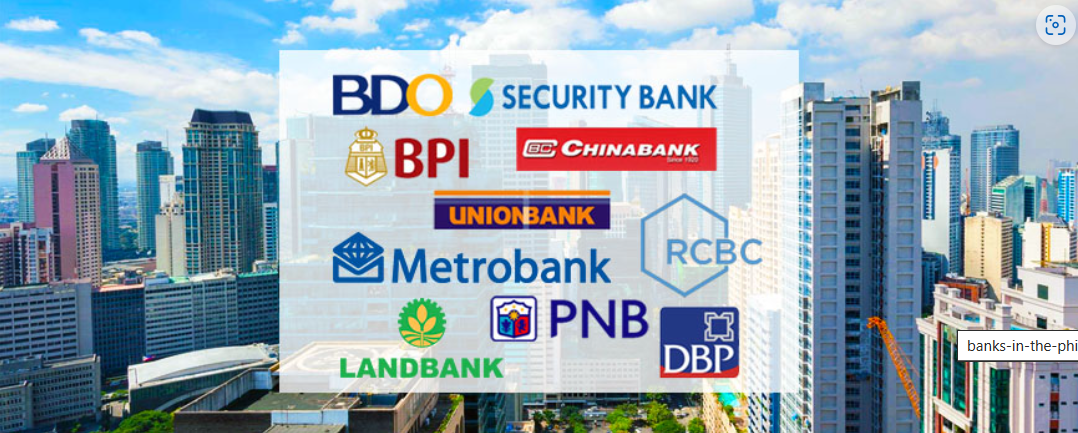
Payments platforms help consumers transact with merchants. E-wallets allow users to send money and settle purchases. Banks provide savings and credit products. Remittance companies facilitate money transfers from overseas. E-commerce platforms connect these financial services directly to shopping.
The result is a holiday economy where financial transactions increasingly happen through smartphones.
The shift also reflects how digital finance has moved beyond being a convenience used by younger consumers. For many Filipinos, digital financial tools are becoming part of everyday money management, including during the country’s biggest spending season.
E-wallets become part of the Christmas routine
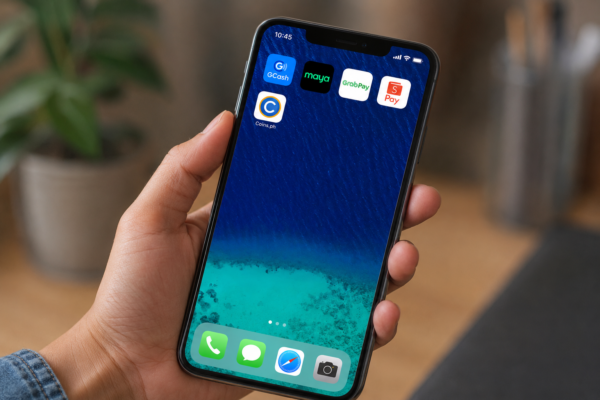
E-wallets have become one of the most visible pieces of the country’s digital finance ecosystem.

During the holidays, their use can extend well beyond paying for purchases.
Filipinos can use e-wallets to send money to family members, pay utility bills before Christmas, purchase mobile load, settle online orders, transfer funds, and make QR-based payments at participating merchants.
For families splitting expenses for reunions or sending money to relatives, digital transfers can also reduce the need to physically hand over cash.
The convenience becomes particularly useful during the busy holiday period, when people are juggling shopping, work, travel and family commitments.
At the same time, the growing dependence on e-wallets means consumers need to be more careful with their accounts. A convenient digital payment can also become a target for phishing, social engineering and other forms of fraud.
The Christmas rush can make consumers more vulnerable to fake discounts, fraudulent sellers and suspicious payment requests, making digital safety an important part of holiday spending.
Remittances keep families connected
For millions of Filipino families, Christmas spending is also connected to money coming from abroad.
The holiday season is traditionally an important period for remittances as overseas Filipino workers send money home for gifts, food, celebrations and household needs.
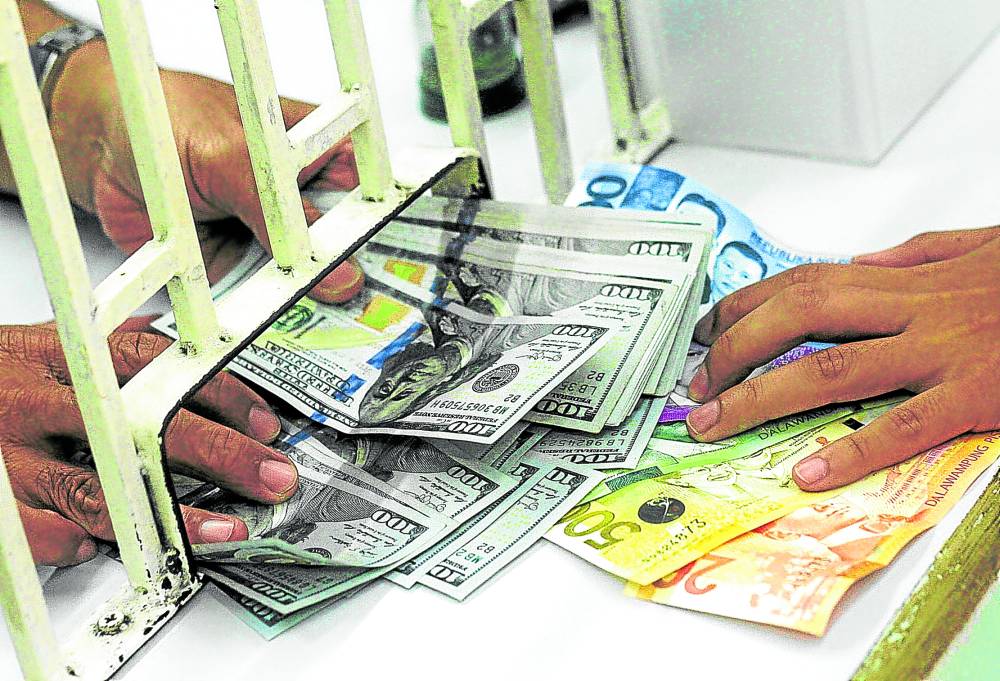
Digital financial services have changed how some of these funds reach families in the Philippines.
Instead of relying exclusively on physical transactions, Filipinos abroad and their families can increasingly use digital channels to send, receive and manage remittances.
Once received, funds can also move through the wider digital ecosystem. A family member can use an e-wallet or bank account to pay bills, purchase goods online, transfer money to another person or make a QR payment.
This creates a digital chain that can begin with an overseas worker and end with a local merchant.
In this sense, fintech is not simply helping Filipinos spend during Christmas. It is helping connect the financial activity of Filipino families across borders.
Digital banks enter the holiday budget
Christmas spending can be difficult to manage because many expenses arrive at the same time.
Gifts, travel, food, parties and year-end obligations can quickly consume money that households have spent months saving.
Digital banks have emerged as another tool consumers can use to organize their finances.
Savings accounts, automated transfers and other digital banking features can help users separate money for different goals or monitor their balances through mobile apps.
For someone preparing for Christmas months in advance, setting aside a small amount regularly can make holiday expenses easier to manage when December arrives.
The broader appeal of digital banking is that saving no longer necessarily requires visiting a physical branch. Consumers can open and manage accounts through their phones, check balances and move money between accounts digitally.
That convenience fits naturally into a holiday season where consumers are already spending more time online.
Online shopping makes payments part of the experience
The Philippine Christmas season has also become inseparable from e-commerce.
Online shopping gives consumers access to gifts, clothes, electronics, food and other products without requiring a trip to a physical store. Major shopping campaigns and holiday promotions further encourage consumers to move their purchases online.
Behind every digital checkout is a financial transaction.
Consumers may pay using an e-wallet, debit or credit card, bank transfer, QR payment or other digital payment method. Some platforms also offer installment or buy now, pay later options.
For merchants, this means digital payments can be an important part of capturing Christmas demand.
For consumers, however, the ease of tapping a payment button can also make it easier to spend more than intended.
The same technology that removes friction from payments can remove some of the psychological friction associated with spending cash.
That makes budgeting especially important during the holidays.
When holiday spending meets digital credit
Credit can become another part of the Christmas financial equation.

Consumers may turn to credit cards, personal loans, digital lending platforms or BNPL services when they need additional funds for purchases or unexpected expenses.
These services can provide flexibility, but they also introduce an important question: Can the borrower comfortably repay the money after the holidays are over?
A holiday purchase can feel temporary, but the repayment obligation is not.
Consumers considering digital credit should therefore look beyond the amount they can borrow and understand the interest, fees, repayment schedule and total cost involved.
Fintech can make access to credit faster, but responsible borrowing remains the consumer’s responsibility.
The goal should not be to make Christmas bigger at any cost, but to make financial decisions that remain manageable in January and beyond.
More digital money means more digital risks
The growth of fintech during Christmas also creates another seasonal concern: fraud.
Scammers can take advantage of the urgency surrounding holiday promotions and the increased number of financial transactions.
Fake shopping websites, fraudulent sellers, phishing messages, fake giveaways, impersonation scams and suspicious payment links can all appear more convincing when consumers are actively looking for deals.
Consumers should be particularly cautious when a promotion appears too good to be true or when someone asks for passwords, one-time passwords, PINs or other sensitive information.
They should also verify merchants and payment requests before transferring money.
For financial institutions and fintech companies, the holiday period is another test of their ability to keep transactions convenient while protecting customers from increasingly sophisticated threats.
Christmas is becoming a test of digital finance
The Filipino Christmas season shows just how deeply fintech has entered everyday economic life.
A single holiday transaction can involve several parts of the digital financial ecosystem. An overseas Filipino worker can send money digitally. A family member can receive it through a bank or e-wallet. That money can then be used to purchase gifts online, paid through a digital payment method and delivered by an e-commerce platform.
The entire journey can happen without a traditional cash transaction.
For businesses, this digital ecosystem can create opportunities to reach customers, accept payments and manage operations more efficiently. For consumers, it can make financial transactions faster and more accessible.
But convenience also creates new responsibilities.
As more money moves digitally during the holidays, Filipinos need to understand not only how to use financial technology, but also how to use it responsibly.
The Christmas economy goes digital
Christmas has always been a major part of Filipino life. What is changing is how Filipinos finance, purchase and share the things that make the season meaningful.
The Ber months bring more shopping, more travel, more reunions and more money moving between households. Increasingly, many of those transactions happen through digital financial platforms.
That makes Christmas more than a peak season for retailers.
It is also a major moment for the Philippine fintech ecosystem.
E-wallets, digital banks, remittance platforms, payment networks, lenders and e-commerce companies all play a role in helping money move during the season.
The challenge for the industry will be to make that movement not only faster, but also safer and more responsible.
Because when the Christmas lights come down and January arrives, the transactions made during the holidays will remain part of every Filipino household’s financial story.