
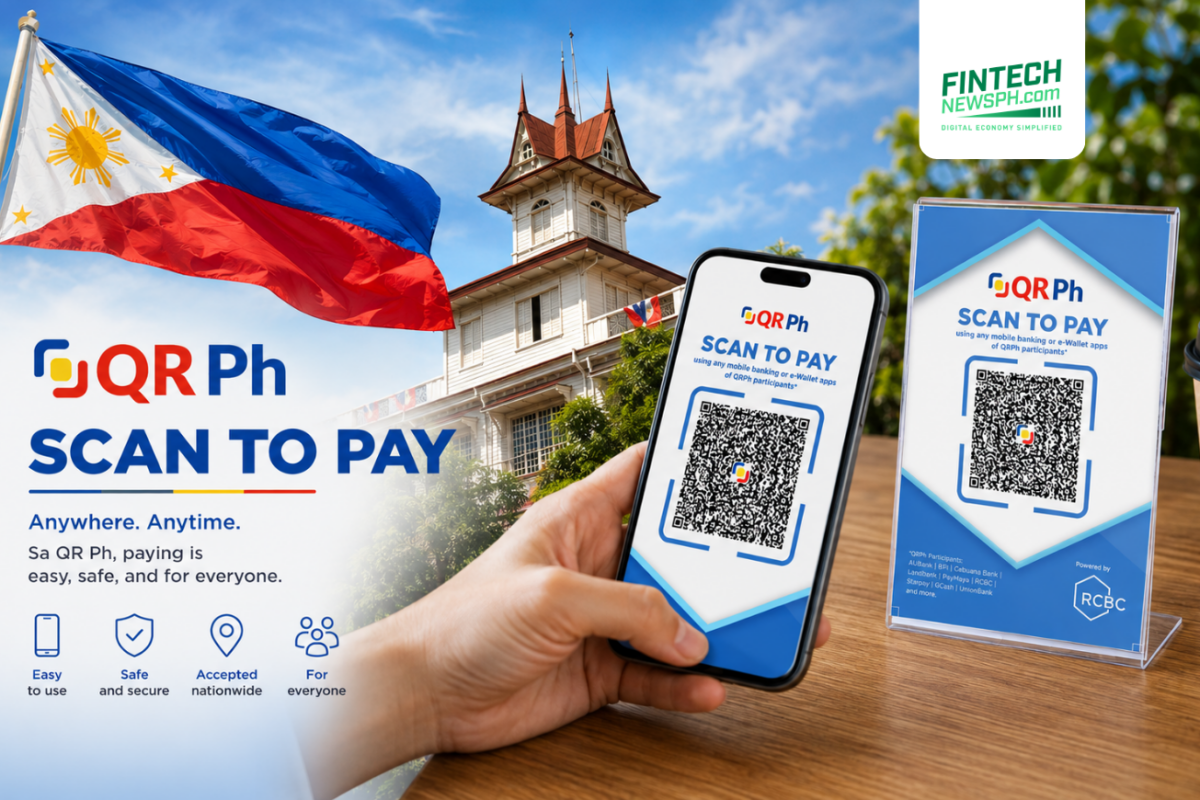
QR Ph adoption has accelerated the Philippines’ transition toward digital payments over the past five years.
What started as an initiative to standardize QR code payments has evolved into an interoperable payment network that allows consumers to pay using different banks and e-wallets through a single QR code.
Today, QR Ph is no longer confined to large retailers or urban businesses. Small stores, market vendors, restaurants, and online merchants have increasingly embraced QR payments as more Filipinos choose digital transactions over cash. While adoption continues to grow, the question remains: Has the Philippines finally become a true QR payment nation?
QR Ph made digital payments easier for everyone
The biggest contribution of QR Ph is interoperability. Before its rollout, businesses often needed separate QR codes for every e-wallet or banking app they accepted.
This created confusion for both merchants and customers while limiting payment options.

With QR Ph, one QR code can now accept payments from participating banks and e-wallets, making digital transactions significantly easier.
Consumers simply scan the merchant’s QR code using their preferred banking or e-wallet app, without worrying whether the merchant accepts their provider.
The simplified experience has encouraged more Filipinos to use digital payments in everyday transactions — from grocery purchases and restaurant bills to transportation fares and neighborhood convenience stores. The convenience of instant payment confirmation and reduced cash handling has also made QR payments attractive for businesses looking to modernize their operations.
MSMEs are driving the growth of QR payments
One of the strongest indicators of the expansion of QR Ph is its growing acceptance among micro, small, and medium enterprises (MSMEs).
Accepting digital payments no longer requires expensive point-of-sale terminals, allowing smaller businesses to participate in the country’s cashless economy.

Recent merchant data from PayMongo highlight this shift. During the first half of 2026, QR Ph accounted for more than half of payment volume on the PayMongo platform, overtaking both cards and e-wallets. The company also reported significant year-on-year growth in QR Ph payment volume, reflecting changing payment behavior among Filipino consumers and businesses.
The same trend extends to physical stores, where in-store QR transactions continue to increase as more merchants embrace interoperable payment solutions. For MSMEs, QR Ph has become an affordable way to expand payment options while improving customer convenience.
What still needs to improve?
Despite the continued growth of QR Ph, several challenges continue to limit its full potential.
Many merchants still mistakenly believe that customers must use a specific e-wallet application even when they display a QR Ph code. This misunderstanding prevents consumers from fully benefiting from interoperability and highlights the need for continued merchant education.
Infrastructure also remains uneven across the country. While digital payments have become common in urban centers, some rural communities continue to experience limited internet connectivity, lower smartphone penetration, and varying levels of digital literacy.
Security, fraud prevention, and consumer education will also remain essential as QR payments become more widespread.
The road ahead for QR Ph
Five years after its launch, QR Ph has evolved from a payment initiative into an important pillar of the Philippines’ digital economy. Interoperability has made cashless payments more convenient for consumers while giving businesses—particularly MSMEs—a practical way to accept digital payments.
Although the country has not yet become fully cashless, the steady growth of QR payments suggests that electronic transactions will continue gaining momentum. Continued collaboration among regulators, banks, fintechs, payment providers, and merchants will be crucial to making QR Ph the country’s universal payment standard.
If current adoption trends continue, QR Ph could become more than just a convenient way to pay. It has the potential to serve as the common payment language connecting banks, e-wallets, merchants, and consumers across the Philippines. For millions of Filipinos, that could mean faster, simpler, and more inclusive access to digital financial services — bringing the country another step closer to a truly interoperable digital payments ecosystem.