GCash mistakes can be easy to overlook, especially when paying with an e-wallet feels almost effortless. A few taps can cover food deliveries, online shopping, bills, subscriptions, transportation, and other everyday expenses.
The problem is that digital payments can make spending feel less noticeable than handing over cash. Without a clear budget or spending limit, small purchases can quickly add up.
Here are five common GCash mistakes that may be making it harder to control your spending.
1. Treating your GCash balance as extra money
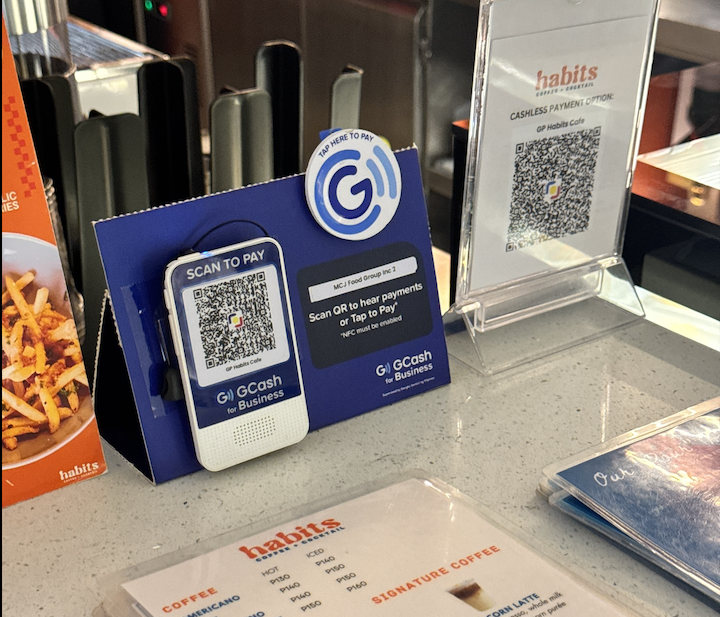
IMAGE CREDIT: GCash
Seeing money sitting in your GCash wallet can make it tempting to spend, particularly when the balance is separate from your main bank account.
However, your e-wallet balance is still part of your overall budget. Money intended for bills, savings, or other financial obligations should not automatically be considered available spending money.
A simple way to avoid this is to separate funds according to their purpose and keep only your planned spending amount readily available.
2. Making too many small purchases
One of the most common GCash mistakes is underestimating small transactions.
A ₱100 food order, ₱80 delivery fee, ₱150 online purchase, or ₱50 add-on may not seem significant individually. But several small transactions throughout the week can become a substantial expense by the end of the month.
Tracking your transactions regularly can reveal where these small purchases are going.
3. Using buy now, pay later without a plan
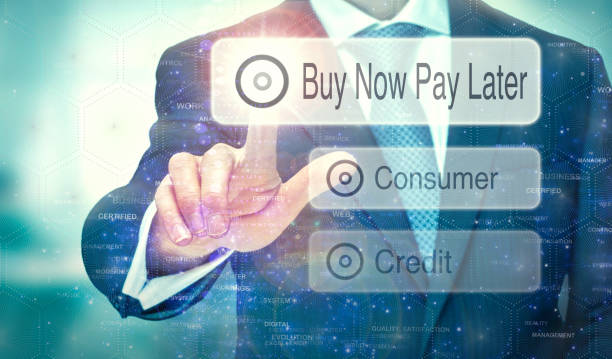
IMAGE CREDIT: Freepik
BNPL and other credit-based payment options can make purchases more manageable in the short term, but they can also encourage people to buy things outside their budget.
Before using any installment or credit feature, consider whether you could comfortably pay the amount without relying on another loan or credit facility.
4. Ignoring automatic or recurring payments
Subscriptions are another expense that can quietly drain an e-wallet balance.
Music, streaming, gaming, shopping memberships, and other recurring services may continue charging even when you no longer use them regularly.
Review your recurring payments at least once a month and cancel services you no longer need.
5. Not checking your spending history

IMAGE CREDIT: Magnific
Perhaps the biggest mistake is not looking back at where your money went.
GCash transactions provide a record of payments and transfers that can help users identify spending patterns. Reviewing your transaction history can make unnecessary expenses easier to spot.
Make your e-wallet work with your budget
GCash is designed to make financial transactions faster and more convenient. But convenience works best when paired with discipline.
The goal is not to stop using an e-wallet. Instead, treat it as another part of your financial system. Set a spending limit, monitor small purchases, review recurring charges, and regularly check where your money is going.
A few taps can make spending easier. A few minutes reviewing those transactions can make saving easier, too.