
The Philippines’ digital economy growth continues to accelerate as more Filipinos embrace digital payments, e-commerce, online banking, and app-based services. Government initiatives, improved internet connectivity, and the widespread adoption of smartphones have helped drive digital transformation across industries, making online transactions a part of everyday life.
This digital transformation has created significant opportunities for businesses, consumers, and financial institutions. However, alongside this growth comes a new set of challenges.
As more economic activity moves online, concerns around cybersecurity, online fraud, data privacy, and digital trust are becoming increasingly difficult to ignore.
Digital adoption is reshaping consumer behavior
The Philippines’ digital economy has become one of the key drivers of economic activity in recent years.
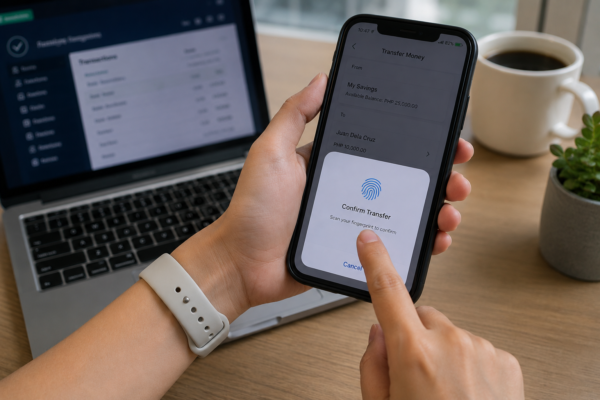
Consumers are increasingly using digital wallets, online marketplaces, and mobile banking applications to manage daily transactions.
Meanwhile, small businesses are also leveraging digital platforms to reach wider audiences and expand beyond traditional physical locations.

This shift has improved financial inclusion and expanded access to digital services for millions of Filipinos.
Individuals who previously lacked access to traditional banking services can now open accounts, transfer funds, and make payments through mobile devices.
Yet the growing reliance on digital platforms means consumers are sharing more personal and financial information online than ever before. As digital footprints expand, so does the potential exposure to cyber threats and misuse of sensitive data.
Cybercrime and digital fraud are rising alongside growth
One of the biggest concerns surrounding Philippines digital economy growth is the rise in cybercrime and digital fraud.
Fraudsters continue to develop sophisticated tactics that target consumers through phishing attacks, fake websites, social engineering schemes, and fraudulent mobile applications.
:max_bytes(150000):strip_icc()/GettyImages-1490104284-f78364bc18ca47adbbe769e9d85365cf.jpg "The Philippines’ digital economy is growing fast — but so are the risks 4")
Financial institutions, fintech companies, and e-commerce platforms are investing heavily in security technologies to counter these threats.
Artificial intelligence, behavioral analytics, and advanced identity verification tools are increasingly being used to detect suspicious activities before they result in financial losses.
Despite these efforts, cybersecurity remains a shared responsibility. Consumers must remain vigilant when sharing information online, while businesses must continuously strengthen their security frameworks to keep pace with evolving threats.
Building trust will determine the next phase of growth
As the digital economy matures, trust will become one of its most valuable assets. Consumers are more likely to adopt digital services when they believe their personal information is protected and transactions are secure.
Regulators, technology providers, and financial institutions are working to improve data protection standards, strengthen cybersecurity measures, and promote digital literacy.
These efforts are essential to ensuring that innovation does not come at the expense of consumer confidence.
The challenge moving forward is balancing rapid digital innovation with effective risk management. Companies that prioritize security, transparency, and customer protection will be better positioned to thrive in an increasingly digital-first economy.
Can the Philippines Secure Its Fast-Growing Digital Economy?
The expansion of its digital economy remains one of the country’s most promising development narratives. Digital technologies are unlocking new opportunities for businesses, expanding financial access, and transforming how Filipinos live, work, and transact.
However, the same technologies that are fueling growth are also creating new vulnerabilities.
As digital adoption continues to rise, addressing cybersecurity risks, combating fraud, and strengthening consumer protection will be critical to sustaining long-term growth.
The future of the country’s digitalization efforts will depend not only on how fast it grows, but also on how securely it evolves.