
Paying bills is becoming less of a separate chore as Bayad and Grab Philippines expand their partnership to bring more payment options into the Grab app.
The expanded tie-up connects Grab users to Bayad’s network of billers, allowing them to settle household bills and other recurring obligations through the super app instead of switching between different payment platforms.

For consumers managing utilities, telecommunications, internet, insurance, government payments and other expenses, the move adds another layer of convenience to an increasingly digital bill payment experience.
Turning Grab into more than a daily-use app
Grab has gradually expanded beyond its original ride-hailing roots, bringing together mobility, food delivery, payments and other financial services within a single digital ecosystem.
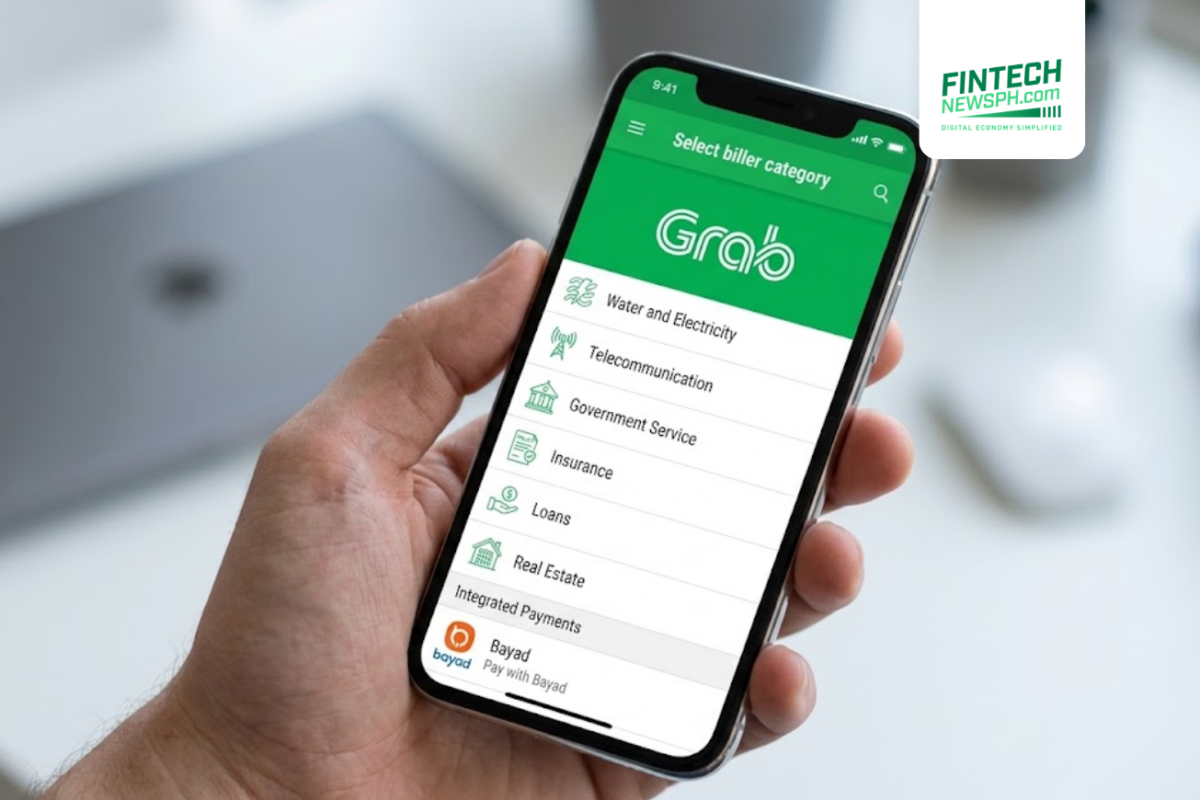
Its bill payment feature already allows users to select a biller, enter their account details and pay using their GrabPay Wallet.
The expanded arrangement with Bayad strengthens that ecosystem by tapping into Bayad’s established network of billers and payment infrastructure.
Bayad said the partnership is aimed at making everyday payments “simpler and more accessible,” reflecting the broader push to bring essential financial services closer to consumers through platforms they already use.
One app, fewer payment stops

For Filipinos juggling multiple monthly payments, convenience can make a significant difference.
Instead of visiting separate websites or apps for different bills, users can increasingly manage payments from a single digital environment. This fits into the wider shift toward embedded financial services, where payments become part of platforms people already rely on for everyday activities.
Grab’s existing BillPay feature lets users choose a biller, enter the amount and account information, and complete the transaction through their GrabPay Wallet.
The Bayad partnership adds another layer to that setup by widening access to Bayad’s network of billers.
Bayad continues to widen its digital reach
The collaboration also reflects Bayad’s broader strategy of expanding beyond its traditional payment-center network.
The company has been building partnerships with banks, fintech companies, mobile applications and e-wallet providers to make bill payment services available across more digital channels. Its partnerships have included platforms such as GoTyme, Tala, RCBC DiskarTech, BillEase and PalawanPay.
Other fintech platforms are also making bill payments and other financial transactions part of their digital offerings.
Mocasa, for instance, allows users to pay utility bills directly through its app alongside its credit and payment services, while Cashalo enables customers to manage digital credit and repay loans through channels including GCash, Maya, ShopeePay and PalawanPay.
That approach allows Bayad to extend its payment infrastructure without requiring consumers to rely solely on dedicated bill payment channels.
For Grab, meanwhile, expanding its bill payment ecosystem gives users another reason to keep financial transactions inside the app.
The bigger shift in digital payments
The Bayad-Grab tie-up points to a broader change in how Filipinos interact with financial services.
Payments are increasingly becoming features embedded into apps rather than standalone activities. The goal is no longer simply to offer a digital way to pay, but to make payments available wherever consumers already spend their time.
As more financial services move into super apps, partnerships between established payment networks and consumer platforms could become increasingly important in expanding access and reducing friction.
For consumers, the practical takeaway is simple: more bills can now be handled from the same place where they book a ride, order food or manage other everyday transactions.
And as digital platforms compete to become the one app Filipinos open for almost everything, bill payments are becoming another piece of that super-app puzzle.