Paying with cash is no longer the default for many Filipinos.
From neighborhood sari-sari stores displaying QR Ph codes to small businesses selling through social media and e-commerce platforms, digital payments have steadily become part of everyday commerce.
What began as an alternative to paying with physical money has evolved into a cornerstone of the country’s growing digital economy.
The shift reflects years of investment by banks, fintech firms and regulators aimed at making payments faster, safer and more accessible. Yet despite the momentum, cash remains deeply embedded in the daily lives of millions of Filipinos.
The question is no longer whether digital payments are growing—it is whether the Philippines is ready to become a truly cash-light society.
A digital payments journey decades in the making
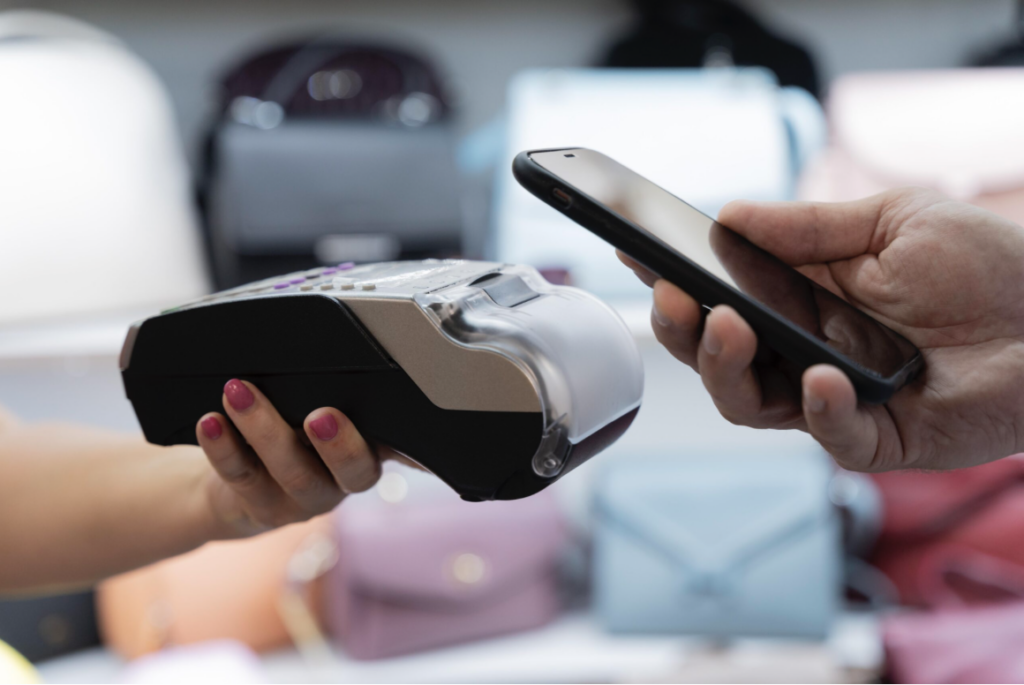
IMAGE CREDIT: Freepik
Believe it or not, digital payments in the Philippines since the dawn of the Internet.
The foundations of the country’s digital payments ecosystem were laid long before QR codes became commonplace.
In 2000, Smart Communications introduced Smart Money, one of the Philippines’ earliest electronic money platforms, in partnership with what is now BDO Unibank and Mastercard. The service sought to extend financial services to Filipinos with limited access to traditional banking.
Four years later, Globe Telecom launched GCash, initially as an SMS-based money transfer service. Over time, it evolved into one of the country’s largest digital wallets, helping popularize cashless payments among consumers and merchants alike.
Since then, the ecosystem has expanded significantly. Digital wallets such as Maya, GrabPay, ShopeePay and other payment platforms like Wise and Cliqq have joined the market, while banks and fintech companies have introduced real-time transfers, QR payments and embedded financial services.
The Bangko Sentral ng Pilipinas (BSP) has also accelerated digital payment adoption through initiatives such as QR Ph, allowing customers of participating banks and e-wallets to pay merchants using a single interoperable QR code.
Today, even small neighborhood stores increasingly accept digital payments alongside cash.
Why businesses are embracing digital payments
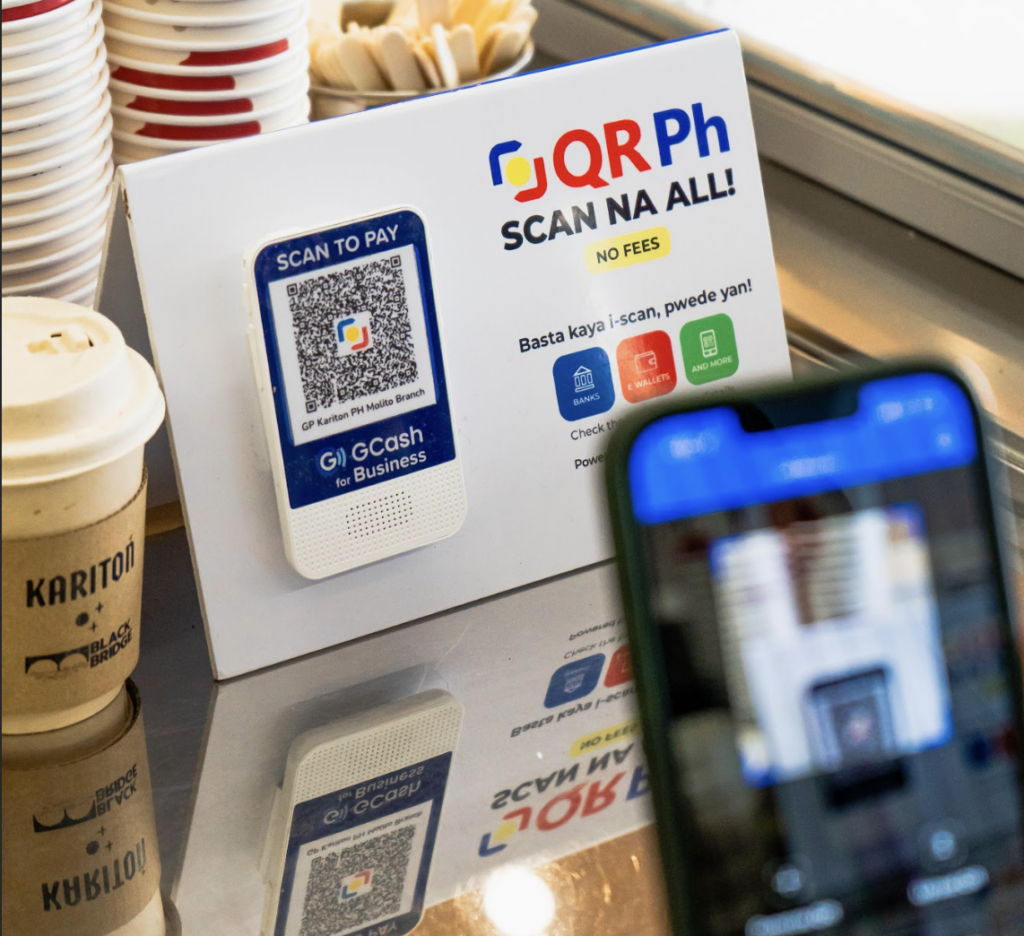
For businesses, the appeal extends beyond convenience.
Digital payments allow merchants to receive funds almost instantly, improving cash flow while reducing the need to handle physical cash. Electronic transaction records also simplify bookkeeping, reconciliation and financial reporting.
The shift has become particularly valuable for small and medium-sized enterprises (SMEs), many of which now operate both physical stores and online sales channels.
Digital transactions also support broader business operations through inventory integration, automated reporting and customer analytics, enabling merchants to make more informed decisions.
Security has likewise improved as payment providers adopt technologies such as tokenization, encryption and multi-factor authentication to safeguard transactions.
Combined, these advantages have made digital payments an increasingly important tool for businesses looking to improve operational efficiency while meeting changing consumer expectations.
Cash is still king — for many Filipinos
Despite rapid growth in digital payments, cash continues to dominate many everyday transactions.
Financial inclusion remains a work in progress. According to a 2024 study by RCBC and Mastercard, nearly half of Filipino adults still do not have a formal bank account, limiting their ability to participate fully in the digital financial ecosystem.
Consumer behavior also plays a role.
Many Filipinos continue to prefer cash because it is familiar, widely accepted and easier to manage for daily budgeting. In areas with limited internet connectivity or inconsistent mobile coverage, cash often remains the most practical option.
Trust is another challenge.
As digital payment adoption grows, so do cyber threats. Banks, e-wallet providers and fintech companies continue to strengthen online fraud detection and cybersecurity measures, but phishing attacks, account takeovers and online scams remain persistent concerns.
Public confidence has also been tested by high-profile cybersecurity incidents in recent years, reinforcing the importance of data protection and transparent security practices across the financial sector.
The road to a cash-light economy
Rather than replacing cash overnight, digital payments are increasingly complementing it.
The BSP has set ambitious targets to expand digital payments as part of its broader financial inclusion agenda, while banks and fintech companies continue to introduce services designed for consumers, merchants and underserved communities.
The continued rollout of QRPh, growing smartphone adoption and wider internet access are expected to encourage more micro, small and medium enterprises—including sari-sari stores—to accept digital payments.
Cross-border payment initiatives within Southeast Asia are also expected to make digital transactions more seamless for businesses and travelers, further strengthening the country’s digital economy.
For many Filipinos, however, cash remains indispensable.
The future is therefore unlikely to be completely cashless. Instead, it is shaping up to be cash-light — where consumers and businesses have the flexibility to choose between physical cash and digital payments depending on their needs.
As the country’s payment landscape continues to evolve, the success of digital finance may ultimately depend not on eliminating cash, but on making digital payments secure, accessible and trusted enough that more Filipinos choose them by default.