
Physical restrictions have been put in place during the epidemic to prevent people from becoming infected; as a result, mobile e-wallets and digital banks that facilitate cashless payments have arisen and become extremely popular among Filipinos.
Three years later, despite the removal of restrictions, digital payments are still popular.
Most recently, Felipe M. Medalla, governor of the Bangko Sentral ng Pilipinas (BSP), revealed that the volume of digital payments currently exceeds 40 percent of all retail transactions in the country.
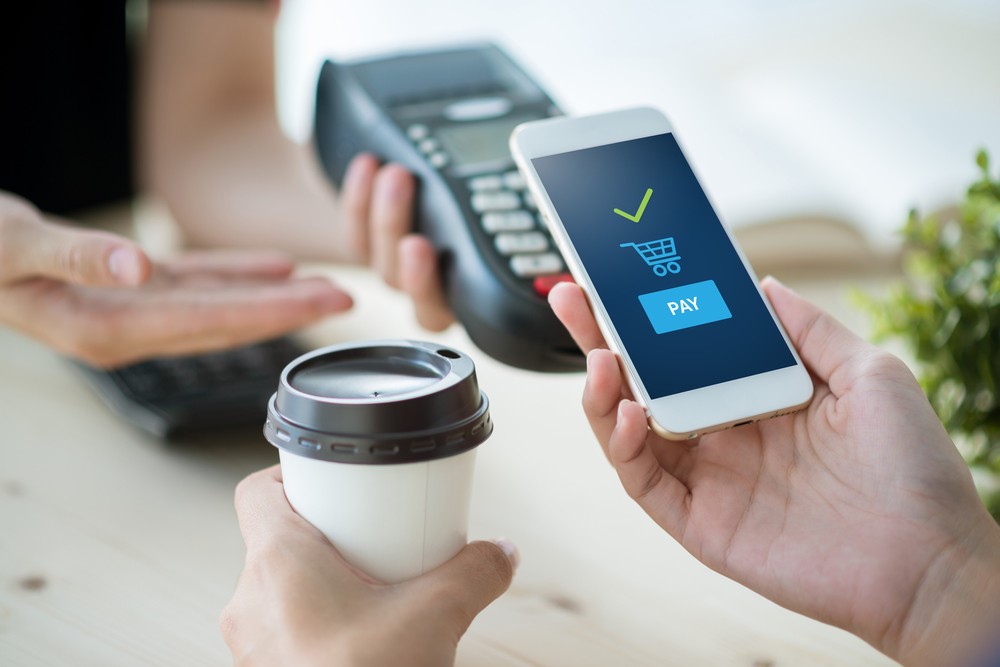
IMAGE CREDIT: www.noypigeeks.com
State of digital payments in PH
The central bank’s most recent figures show that digital payments increased significantly from 20.1% in 2020 to 30.3% of total retail transactions in 2021.
The growth “would have been much, much smaller if not for the e-wallets,” according to Medalla.
According to a recent report, the BSP wants digital payments to account for 50% of total transaction volume and value by the end of the year.
By 2025, the BSP expects the Philippines to have a cashless society.
Prior to that, the central bank put into effect its Digital Payments Transformation Roadmap, which intends to meet the goals of digitizing at least 50 percent of all retail payments and guaranteeing that at least 70 percent of Filipino adults are enrolled in the formal financial system.
Digital payments initiatives
To control how fiat and digital money interact, the central bank created the Payments and Currency Management Sector (PCMS) in 2021.
To advance the stability of the nation’s payment system, the BSP first declared its intention to launch the pilot project of a wholesale central bank digital currency (CBDC) in April 2022. According to Ms. Eloisa Glindro, director of the BSP Currency Policy and Integrity Department, the pilot phase of Project CBDCPh will continue until 2024.
The Test and Learn Framework, also known as the Regulatory Sandbox, which will allow the central bank-regulated institutions to test and offer some innovative products in a controlled environment that might eventually be useful for the domestic financial system, was approved by the central bank and its policy-making body Monetary Board (MB) in September.
The Bills Pay PH program was introduced in November thanks to a partnership between the BSP and the Philippine Payments Management Inc. Users can easily transact and pay their bills with roughly 50 billers thanks to the project.
The central bank urged Filipinos to give digital cash gifts throughout the holiday season using QRPh, electronic money issuers, and interbank fund transfers.
Encouraging Filipinos to use paperless payment methods
BSP Governor Medalla recently suggested removing transaction fees on small-value fund transfers to encourage Filipinos to use paperless or digital payment methods. The rise of digital banking is one of the factors encouraging cashless transactions in the nation.
According to the BSP, these banks are financial organizations that only provide banking services through online platforms and do not have any physical offices.
All businesses that submitted applications for licenses for digital banking were operating by August 2022 after acquiring certificates of authority (COA) from the central bank. In the Philippines, there are currently six licensed digital banks: Overseas Filipino Bank, Tonik Bank, UNOBank, GoTyme, UnionDigital, and Maya Bank. The application process for new digital banks is closed up until December 2024.
The granting of Virtual Assets Service Provider (VASP) licenses to organizations that make it possible to exchange, convert, and store virtual assets into fiat currency is yet another initiative of the central bank.
There are currently 19 companies that hold this license, including ABA Global, Appsolutely, Atomtrans Tech, Betur (Coins), BloomSolutions, Coinville, Etranss, Frenetic, i-Remit, Moneybees, PayMaya Philippines (Maya), PHILBIT, PDAX, TopJuan Technologies, WIBS PHP, XenRemit, and Zybi Tech (Juan Exchange).
As of September 2022, the central bank is no longer accepting or approving VASP applications.