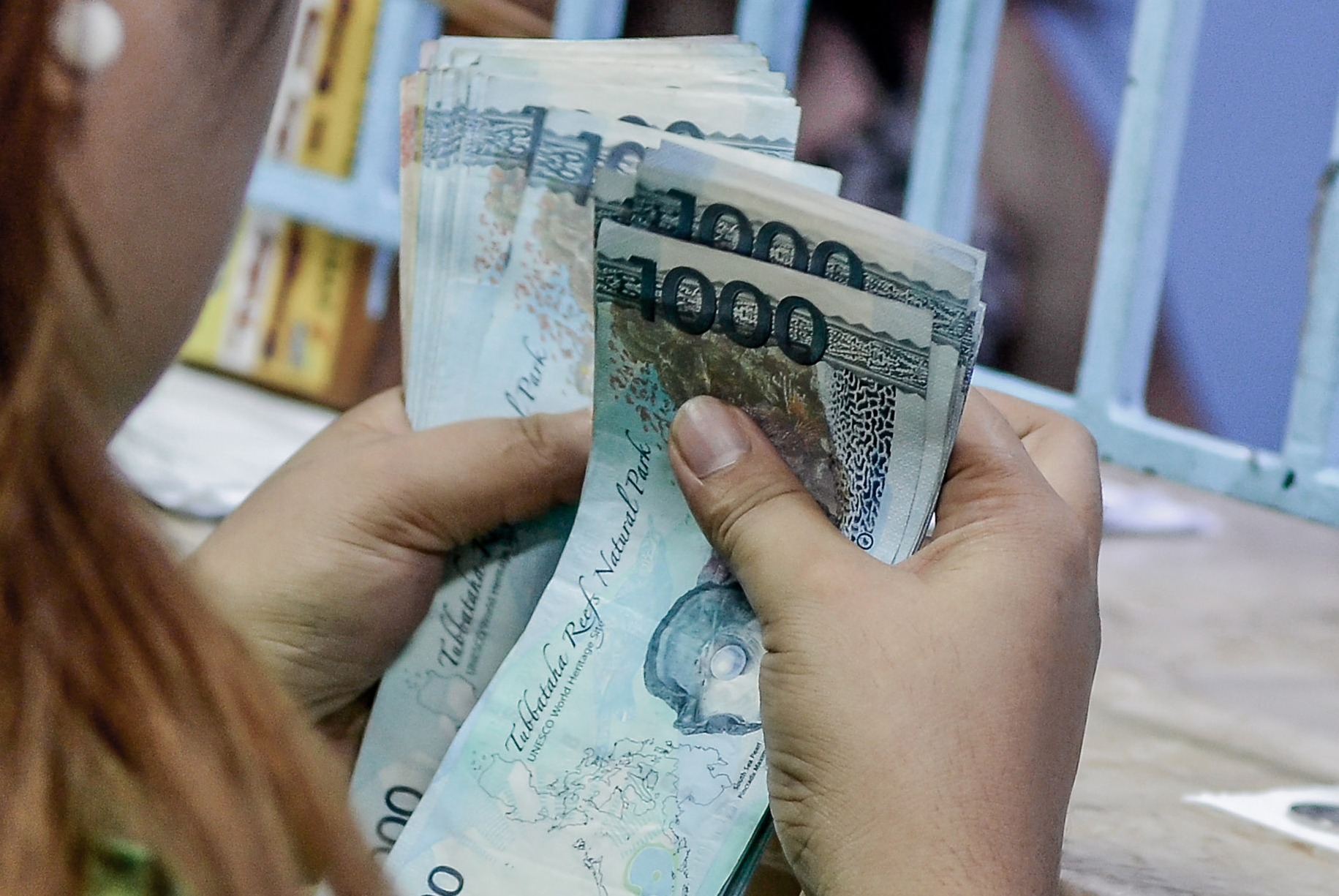
Money changer NIKKO has reportedly committed “serious violations” of money laundering laws
The Bangko Sentral ng Pilipinas (BSP) has taken decisive action against another unscrupulous money changer as part of its ongoing crackdown on illicit money service businesses (MSBs).
IMAGE CREDIT: https://twitter.com/NIKKO
In a circular letter issued by BSP Deputy Governor Chuchi Fonacier, it was announced that the Monetary Board has revoked the registration certificate of Nikko Mart, which operated as a remittance and transfer company offering money changing and foreign exchange dealing services, due to serious breaches of its deed of undertaking.
The cancellation of NIKKO Mart’s license was prompted by violations of provisions outlined in the Manual of Regulations for Non-Bank Financial Institutions (MORNBFI) and Republic Act 9160, more commonly known as the “Anti-Money Laundering Act” (AMLA) of 2001.
Furthermore, the Monetary Board has firmly rejected NIKKO Mart’s plea for reconsideration regarding the cancellation of its registration.
This marks the first instance this year that the BSP has revoked the license of an MSB.
MSBs as a vital financial service access point
Last year, the regulatory body cancelled the registration certificates of 14 MSBs, while 10 MSBs had their licenses revoked in 2022.
The BSP’s actions are aimed at addressing MSBs found to be operating without proper BSP registration or violating rules and regulations governing their operations and reporting obligations in remittance, money changing, as well as foreign exchange dealing.
As of the end of 2023, 7,357 registered MSBs were operating nationwide, serving as vital financial service access points for individuals, small businesses, and social amelioration beneficiaries, particularly in underserved areas where traditional banking services are scarce.
MSB entities encompass various categories such as remittance agents and sub-agents, remittance platform providers, electronic or e-money issuers, as well as money changers or foreign exchange dealers.
These MSBs typically operate large-scale remittance head offices and branches that offer money-changing and foreign exchange services, with an average monthly network volume of transactions of at least P75 million. They are required to maintain a minimum capital of at least P50 million.
Similar to pawnshops, MSBs have emerged as crucial financial service access points, especially during the height of the COVID-19 pandemic, aiding in the BSP’s efforts to promote financial inclusion by reaching unserved and underserved areas of the country.
The BSP remains vigilant in ensuring that MSBs do not become conduits for money laundering and terrorism financing activities, underscoring its commitment to safeguarding the integrity of the financial system.