
Apple Pay Philippines has cleared one major hurdle: giving Filipinos places to use it. The next question is how quickly more local banks will make the service available to their customers.
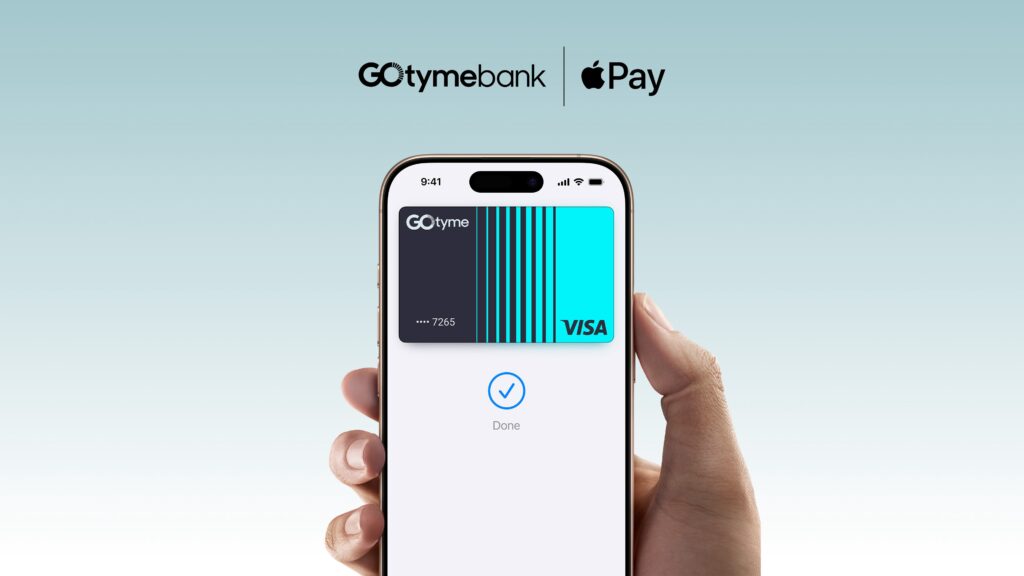
When Apple Pay launched in the country on August 4, only four Philippine banks supported the service: Chinabank, GoTyme Bank, Metrobank and UnionBank. Eligible Visa and Mastercard credit, debit and prepaid cards from these issuers can be added to Apple Wallet.
That initial roster is relatively narrow compared with the merchant side of the ecosystem. Apple said thousands of in-store and online merchants in the Philippines were ready to accept Apple Pay at launch, while Maya Business was preparing to enable the payment option for more than 5,000 online merchants.
For Apple Pay Philippines, expanding bank participation could therefore become an important part of turning a high-profile launch into an everyday payment habit.
Four banks are carrying the initial rollout
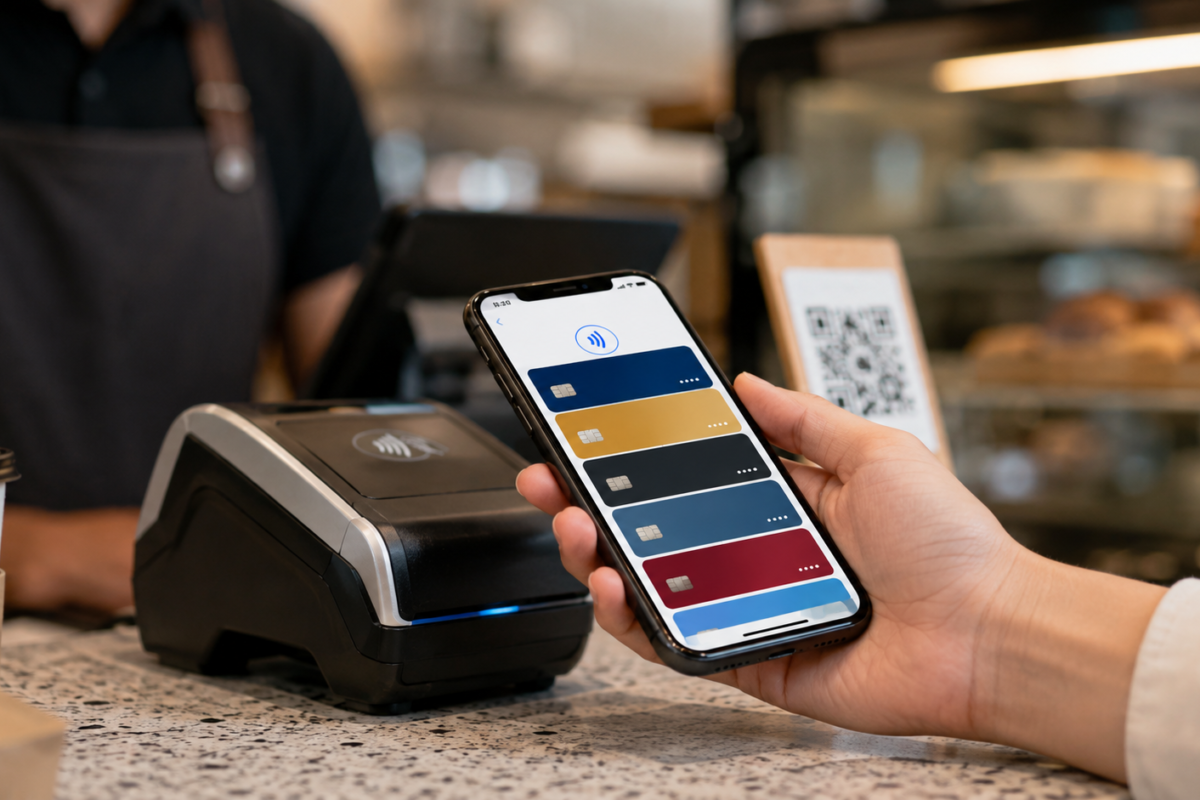
Apple Pay allows users to tap their iPhone or Apple Watch at contactless terminals or use the service to pay within supported apps and websites.
Visa described the Philippine rollout as another step toward the country’s shift to a cash-lite economy, with Visa Philippines Country Manager Jeffrey Navarro saying the service gives cardholders another secure and seamless way to pay across shops, restaurants, travel destinations and public transport.
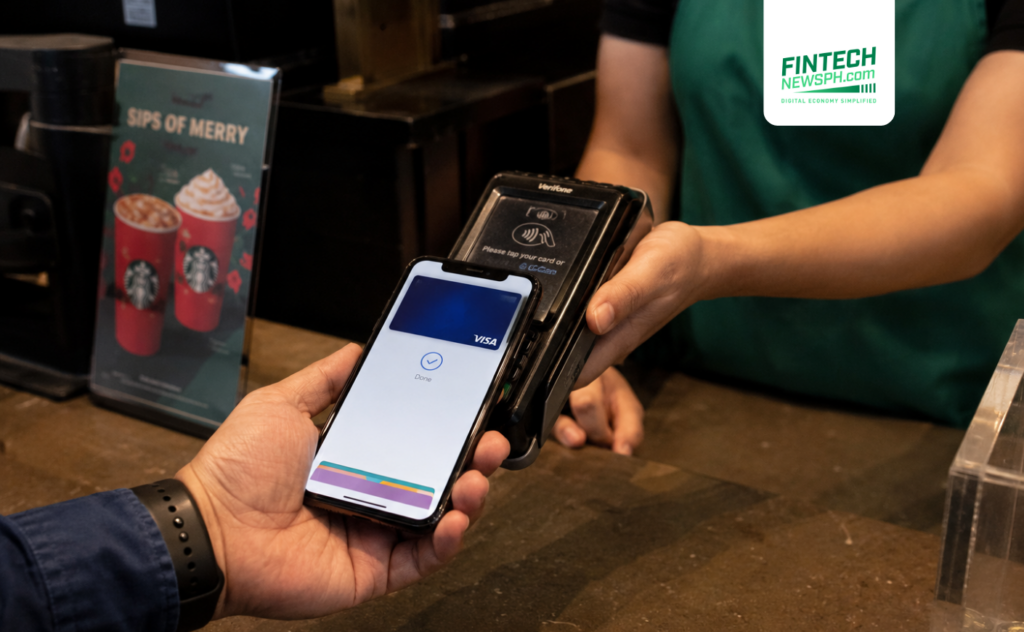
But access ultimately depends on whether a consumer’s bank and card are supported.
Apple Pay works with more than 11,000 bank partners worldwide and is available in more than 90 countries and regions. In the Philippines, its initial four-bank roster leaves significant room for the issuer ecosystem to expand.
Launch banks now have to turn access into usage
The banks already supporting Apple Pay are also beginning to encourage customers to actually use it.
GoTyme Bank, the first Philippine digital bank to support Apple Pay, launched a promotion that awards eligible users 250 Go Rewards points after completing an Apple Pay transaction within 14 days of receiving a notification from the bank. The promotion runs until August 3, 2027.
Metrobank, meanwhile, has integrated Apple Pay setup into its mobile app and allows customers to add eligible cards directly to Apple Wallet. The bank also highlights that customers continue earning the same card rewards and benefits when paying through Apple Pay.
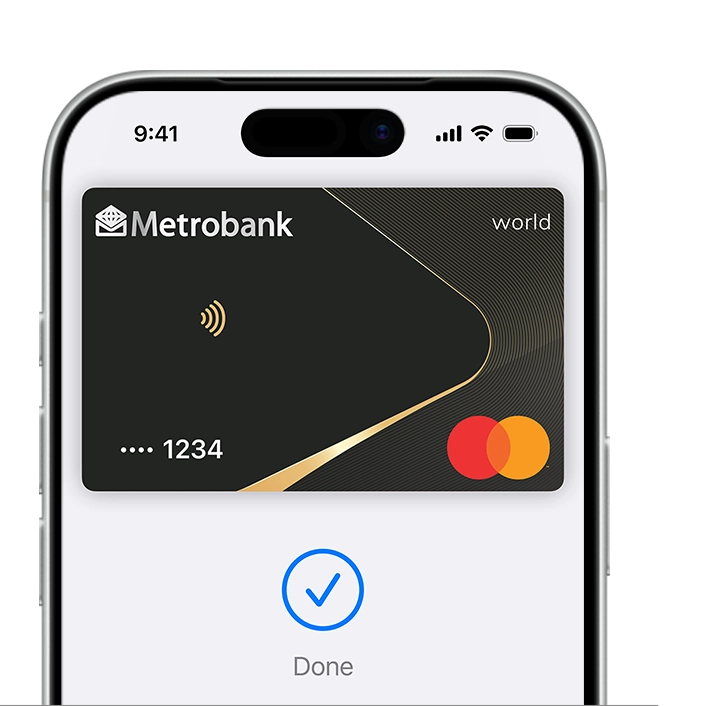
These efforts point to the next phase of adoption. Making Apple Pay technically available is only the first step. Banks also have to make enrollment simple and give customers reasons to choose it over familiar payment methods.
The next phase depends on the ecosystem expanding
The Philippines already has much of the merchant infrastructure needed for Apple Pay because the service works wherever supported contactless payments are accepted.
What remains less developed is the number of local issuers giving customers access.
With just four banks participating at launch, the pace at which other Philippine banks join could help determine whether Apple Pay remains concentrated among customers of a handful of institutions or develops into a more widely used payment option.
For Apple Pay Philippines, the launch opened the door. Expanding the number of banks that can walk customers through it may be the more important next step.