

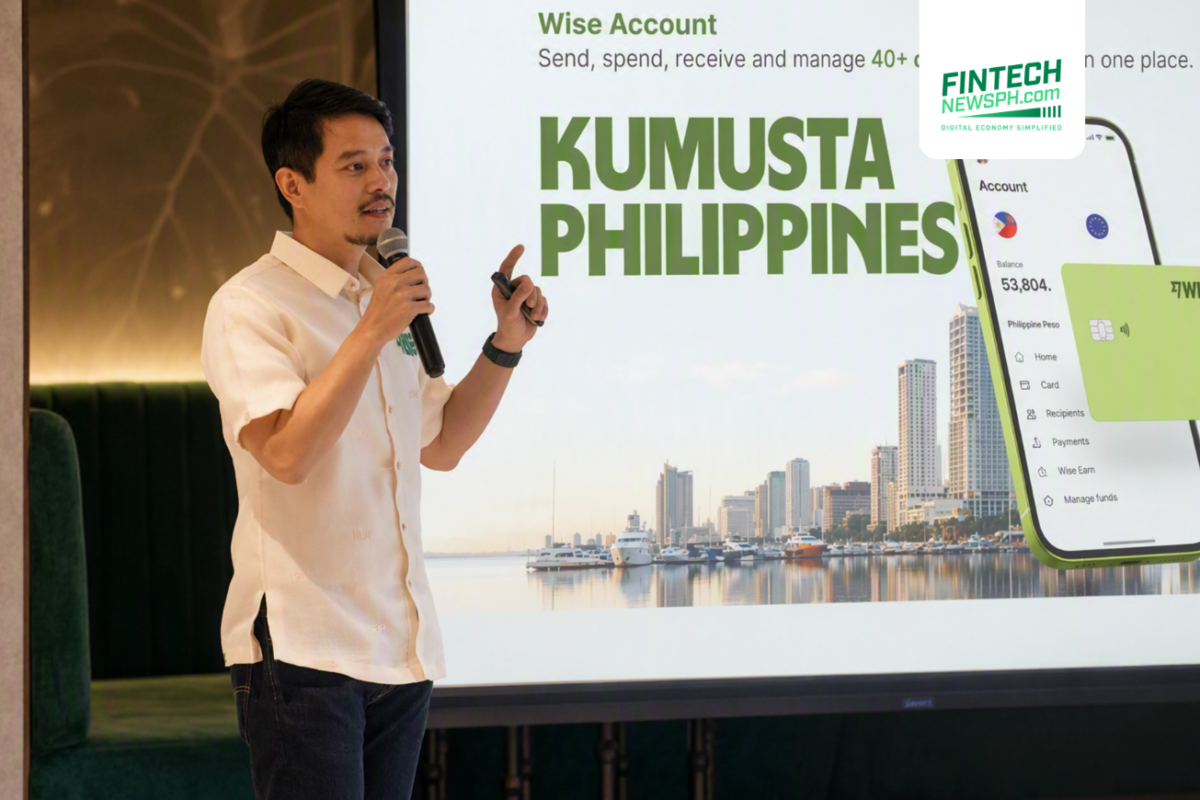
Wise is expanding its Philippine services beyond traditional remittances, adding new ways for Filipinos and international users to receive Philippine pesos, spend through QR Ph and move larger business payments in real time as more Filipinos earn, work and spend across borders.
The global money transfer company unveiled the new capabilities during a media briefing in Manila on August 14, positioning the expansion around what it describes as the increasingly global lifestyle of Filipinos.
“You don’t have to be an OFW to be a global Filipino,” said Areson Cuevas, Country Manager of Wise Philippines.
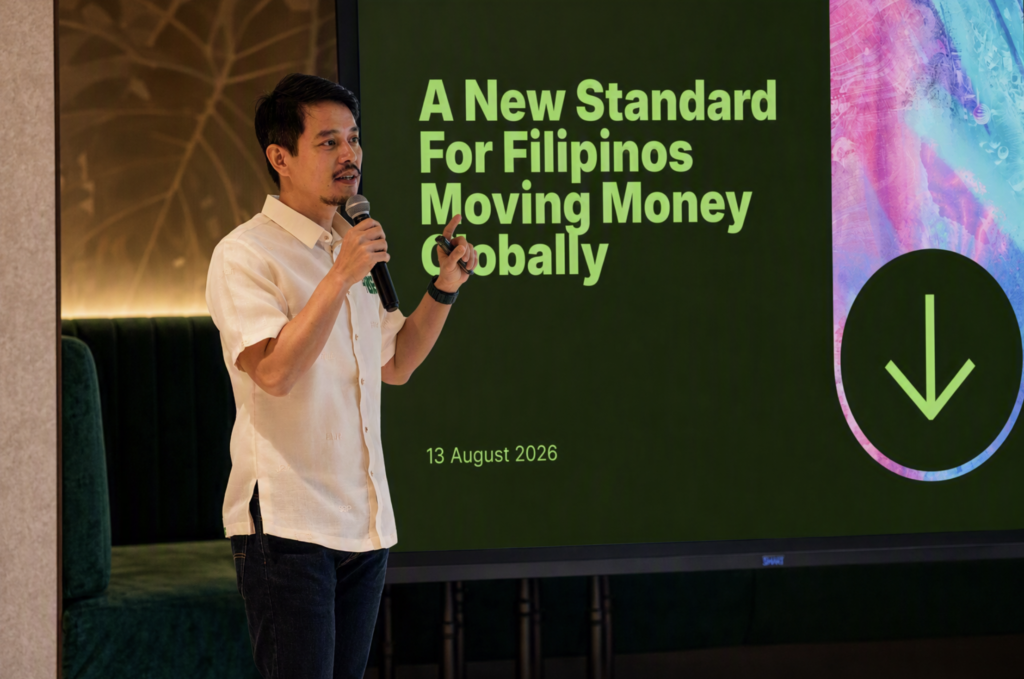
Areson Cuevas, Country Manager of Wise Philippines, discusses the company’s latest payment and account features for Filipinos
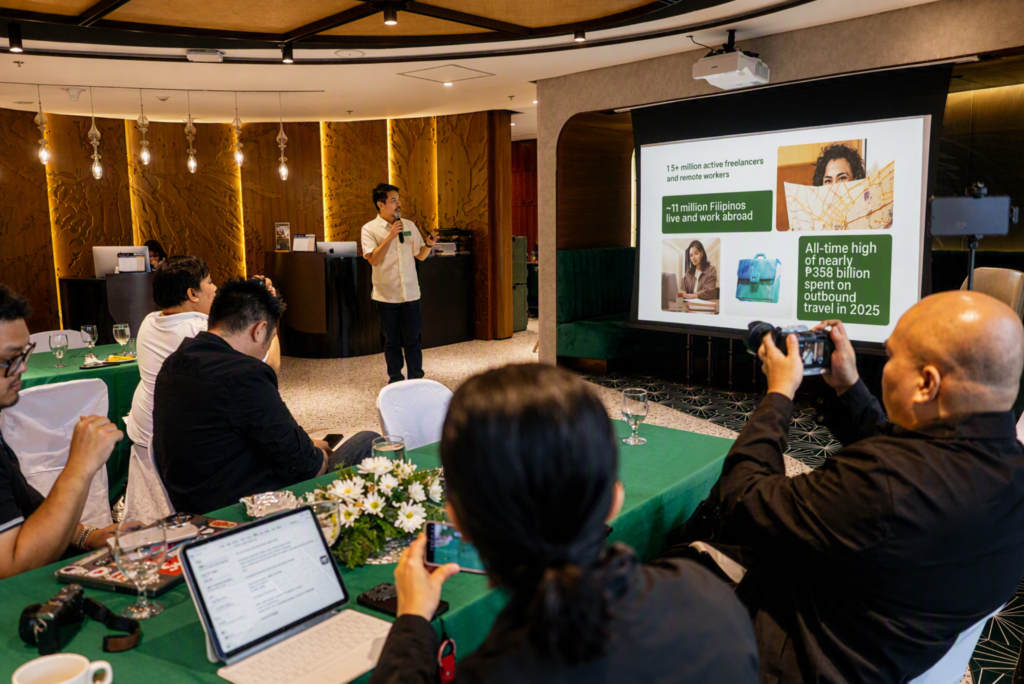
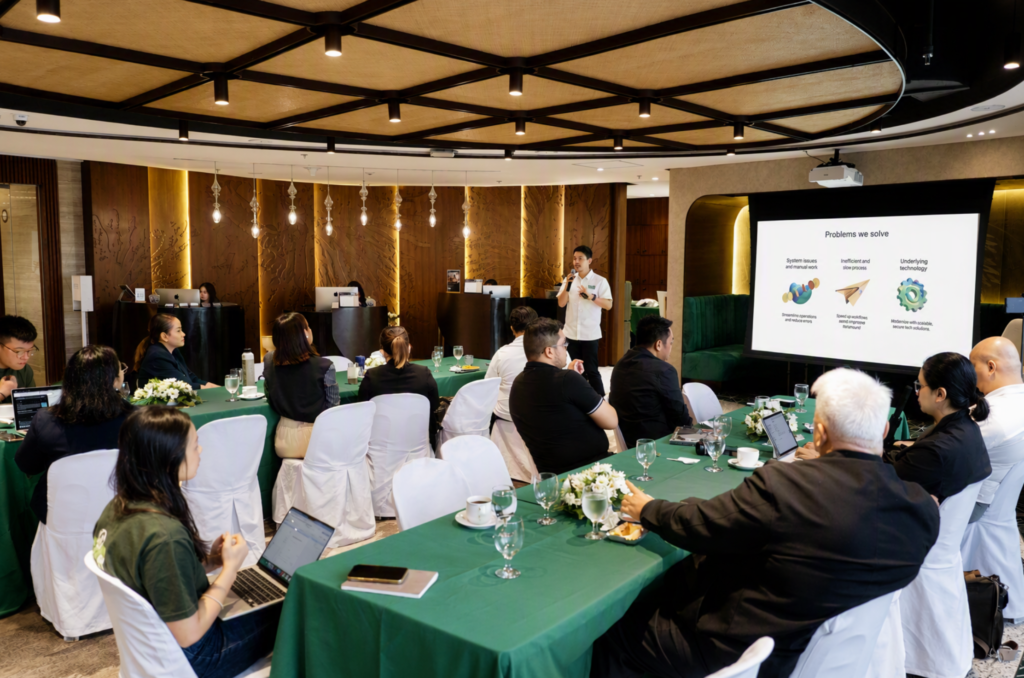
In his presentation, Cuevas pointed to the growing number of Filipino freelancers and remote workers earning foreign currencies while remaining in the country, as well as Filipinos living overseas and consumers increasingly traveling abroad.
Wise cited company data showing that 57% of adult Filipinos consider working or living abroad, with the figure rising to 81% among younger Filipinos.
That shift is changing how Filipinos manage money, moving the conversation beyond simply receiving remittances toward receiving international salaries, holding multiple currencies, spending abroad and sending money overseas.
Philippine peso gets a global role
One of Wise’s latest moves is making PHP account details available to Filipinos living outside the Philippines and Wise users globally.
The feature allows users to receive Philippine peso payments through local payment networks without opening a traditional Philippine bank account.
Users can share their PHP account details with employers, clients, friends or family members, who can then send PHP through InstaPay or PESONet. Cuevas said the development gives the peso greater flexibility in cross-border transactions.
“We have made PHP much like a global currency. So, the Philippine peso can now actually move globally instantly as well as via the PHP account detail,” he said.

For Filipino families with relatives overseas, the feature creates another route for moving money between countries. A family member abroad can maintain PHP in a Wise account, while relatives in the Philippines can send pesos to the corresponding account details through local banking or payment channels.
The move also reflects Wise’s broader strategy of connecting its infrastructure to local payment systems rather than relying solely on traditional international banking rails.
Wise gained direct access to InstaPay in 2024 and connected to PESONet in 2025.
Freelancers get more control over foreign earnings
The expansion could be particularly relevant to Filipino freelancers and remote workers who receive payments from international clients.
Instead of receiving foreign earnings and immediately converting them into pesos, Wise allows users to receive currencies such as USD, GBP and AUD through local account details for those currencies.
The funds can remain in the original currency, be converted later or used for spending.
“I have the power to say when to convert to PHP,” Cuevas said.
He pointed to Wise’s Auto Conversion feature, which allows users to set a target exchange rate at which a currency will automatically be converted.
For freelancers, that provides greater control over when foreign earnings are converted instead of automatically exchanging the money when a payment arrives.
“You convert when you see that the rate is favorable and when you have actual need of the Philippine Peso,” Cuevas said.
The development comes as the Philippines’ freelance and remote-work economy creates a growing class of workers whose income is no longer tied to a single currency or market.
For these workers, the ability to hold foreign currencies and decide when to convert them can become part of managing their income rather than simply receiving a payment.
Wise brings QR Ph payments to its global account
Wise is also tapping into one of the Philippines’ most widely used digital payment methods: QR Ph.
Customers can now scan QR Ph codes through the Wise app to pay participating merchants and billers directly from their Wise balance.
Payments can be made using PHP or another currency held in the account, with Wise handling the conversion into pesos.
“We have realized that QR codes are the default choice for daily domestic spending in the Philippines,” Cuevas said.
The feature could be particularly useful to foreign visitors who already use Wise.
For example, a traveler holding US dollars or Singapore dollars in a Wise account can scan a QR Ph code at a Philippine merchant without first opening a local bank account or e-wallet.
Cuevas said the first customer transaction he personally noticed after the QR Ph rollout involved an Australian traveler buying dried mangoes in Cebu.
“It’s making global payments very localized in the Philippines,” he said.
The same functionality can also be used by Filipino freelancers who receive money through Wise and want to spend those earnings locally.
Instead of transferring the money to a Philippine bank first, they can use their Wise balance to pay merchants and QR Ph-enabled billers directly.
Businesses can receive up to ₱500,000 instantly
Wise is also targeting businesses with a higher real-time payment limit through InstaPay for Business.
Business customers can receive domestic payments of up to ₱500,000 instantly, addressing a common problem for small businesses: waiting for incoming payments to clear before they can use the funds for operations.
“InstaPay for Business allows business senders to send to any recipient in the Philippines up to ₱500,000 pesos instantly,” Cuevas said.
He said faster payments can help businesses manage cash flow, particularly when payment delays affect payroll, supplier payments and other operating expenses.
“In fact, I can already receive it instantly, which helps me with my cash flow problems,” he added.
The ₱500,000 threshold applies specifically to business transactions through InstaPay for Business. Personal Wise customers remain subject to applicable personal transaction limits.
Wise launched its Business account in the Philippines in 2025, giving sole proprietorships, partnerships, corporations and other businesses access to tools for managing international payments.
From remittance platform to financial infrastructure
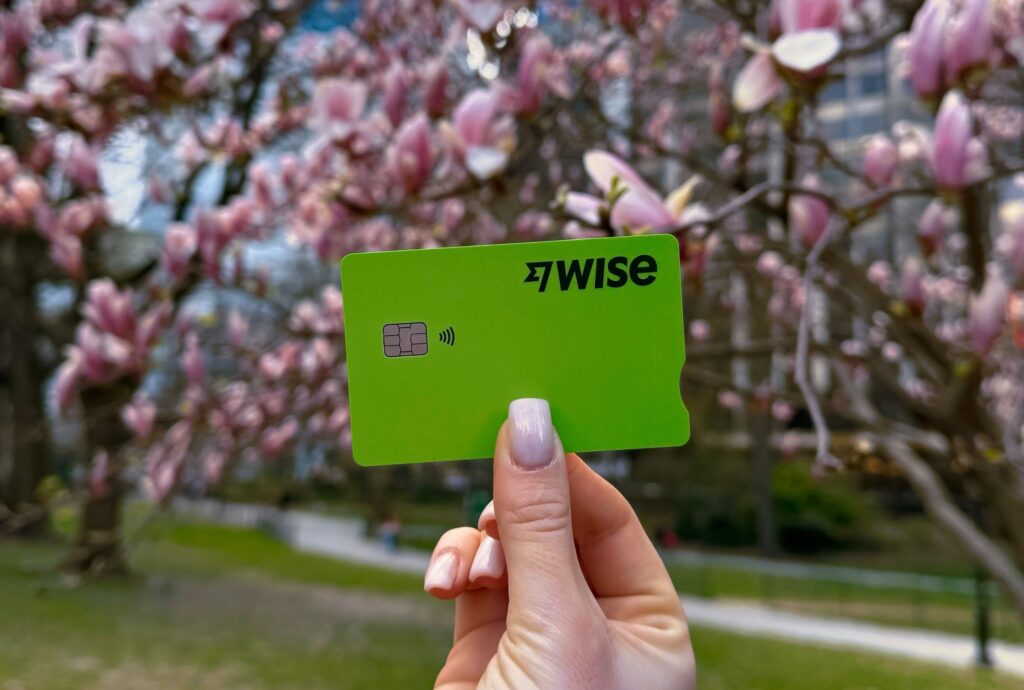
IMAGE CREDIT: Wise
The latest developments reflect a broader shift in how Wise sees its role in the Philippine market.
When Wise launched locally in 2024, its proposition centered heavily on helping Filipinos receive money from abroad.
But Cuevas said the company’s view of the market has changed as more Filipinos become financially active across borders.
“Historically, Filipinos have always been on the receiving end. But we’re seeing more and more Filipinos on the other side. You don’t receive, you also send out of the country. And you also spend out of the country,” he said.
That shift is particularly relevant to a country with around 11 million Filipinos living and working abroad, according to figures cited by Wise, alongside an estimated 1.5 million active freelancers and remote workers.
It also coincides with increasing outbound travel and international spending by Filipino consumers.
For Wise, this creates an opportunity to position its multi-currency account not simply as a remittance tool, but as a broader financial account for people whose income, spending and financial relationships span multiple countries.
Awareness remains Wise’s biggest challenge
Despite the expansion, Wise said awareness remains one of its biggest hurdles in the Philippines.
Cuevas cited company research showing that only 21% of Filipinos know there can be hidden markups embedded in remittance transactions.
“You have to know how much you are paying for your remittances, because that is your hard-earned money or the hard-earned money of your family abroad,” he said.
Wise has consistently positioned transparency around foreign exchange costs as a key differentiator, arguing that consumers should be able to see the actual cost of moving money across borders.
The company said its global average take rate for cross-border transfers is around 50 basis points, although actual customer fees vary depending on the transaction.
For a market where remittances remain a major part of household finances, the company sees consumer awareness of exchange rates and transaction costs as an important part of its proposition.
Wise eyes wider partnerships in the Philippines
Beyond its own customer base, Wise is also looking to expand its infrastructure through partnerships with local financial institutions.
Its existing partnership with GoTyme Bank allows GoTyme customers to access Wise-powered international transfers through the bank’s app.
Cuevas said Wise is in discussions with other financial institutions, although he did not disclose specific names.
“We don’t want to monopolize … this infrastructure that we have built to only be accessible to our own customers,” he said.
The strategy could allow Wise to reach more Filipinos without requiring every user to become a direct Wise customer.
“We have to work with local FIs to be able to partner with them and make sure that our infrastructure goes a long way, not just within the borders of the Wise ecosystem,” Cuevas said.
That could make partnerships an important part of Wise’s next phase in the Philippine market, particularly as local banks and financial institutions look to offer their customers easier access to international payments.
Wise sees Philippines as key market
Wise said it has further plans for the Philippine market but declined to disclose specific upcoming products or services.
Cuevas described the Philippines as an important market for the company because of the country’s strong connections to the global economy.
“The Philippines is a very important market for Wise. Because the Philippines is really a global citizen. I personally believe that the Wise account is really made for Filipinos,” he said.
Over the next three years, Cuevas said his goal is to make more Filipinos aware that they can receive international payments directly into their Wise accounts and retain those funds in foreign currencies.
“Personally, what I would like to have in the next three years is for more Filipinos to be familiar with the power of the Wise account,” he said.
The latest expansion suggests Wise is betting that the next stage of Philippine fintech growth will not simply be about moving money into the country, but giving Filipinos more ways to earn, hold, spend and move money across borders.