

The Asian Development Bank (ADB) has approved a US$300 million policy-based loan to support the Philippine government in creating a stronger institutional and policy environment to help expand Filipinos’ access to financial services, particularly the vulnerable segment of the population, and to promote economic growth.

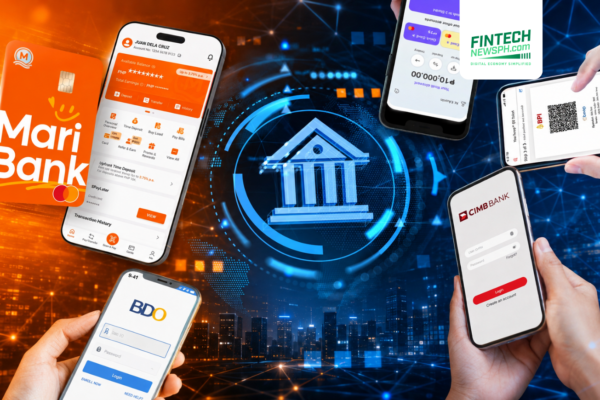
ADB is helping expand Filipinos’ access to financial services. (IMAGE CREDIT: https://www.adb.org/)
ADB’s Inclusive Finance Development Program, Subprogram 3, is supporting reforms to expand financial inclusion in the country by improving the country’s financial infrastructure, including widening the digital financing ecosystem. It also supports efforts to increase the capacity of financial service providers, including rural banks and nonbank financial institutions, to offer quality products and services accessible through various delivery channels.
“Through this loan, ADB is expanding its partnership with the Philippines in ensuring all Filipinos will have access to financial products and services, including via digital platforms, to help improve their lives and livelihoods,” said Kelly Hattel, Senior Financial Sector Specialist at ADB.
“Considering the significant impact of climate change on the vulnerable segments of the population, the reform actions supported by the loan will ensure government assistance can reach people faster during crises and emergencies; help raise climate resilience of farmers and micro, small, and medium-scale businesses through expanded insurance; and promote improved financial stability,” she added.
Rising number of Filipinos with mobile money or bank accounts
According to the 2021 Global Findex Database, the number of Filipino adults holding an account with a financial institution or mobile money provider has risen to 51% of the population in 2021, from as low as 34% in 2017.
Hastened by the COVID-19 pandemic lockdowns, the Philippines also nearly doubled the number of financial institutions or mobile money accounts for the bottom 40% of the population by income from 18% in 2017 to 34% in 2021.
Aided by streamlined requirements with the Philippine Identification System (PhilSys), the government is hoping to raise the number of Filipinos holding an account with financial institutions or mobile money providers to 70% by 2024.
As of September 1, 2023, the government has since registered nearly 88% of the population under PhilSys after launching the program in 2020 amid the COVID-19 pandemic. The PhilSys program forms part of the government’s efforts to widen financial inclusion in the country.
Some of the key reforms pursued by the government to eliminate barriers to accessing financial services and mainstream gender across its policies include updating and providing action plans for the National Strategy for Financial Inclusion 2022–2028.
The Philippines also passed and implemented key legislation on financial consumer protection under the Financial Products and Services Consumer Protection Act, and rules encouraging digital platforms to provide financing to agriculture value chain members in support of the Agriculture, Fisheries and Rural Development Financing Enhancement Act 2022.
The government also implemented a regulatory sandbox framework for financial solutions to test new business models and facilitate the adoption of innovative technology approaches.
The new loan builds on ADB assistance provided under the Inclusive Finance Development Program Subprogram 1 and Subprogram 2 delivered in October 2018 and August 2020, respectively. Reforms pursued under this loan will complement other ADB programs in the Philippines, such as the Competitive and Inclusive Agriculture Development Program Subprogram 2 approved in January 2023.
ADB is committed to achieving a prosperous, inclusive, resilient, and sustainable Asia and the Pacific while sustaining its efforts to eradicate extreme poverty. Established in 1966, it is owned by 68 members — 49 of which are from the region.