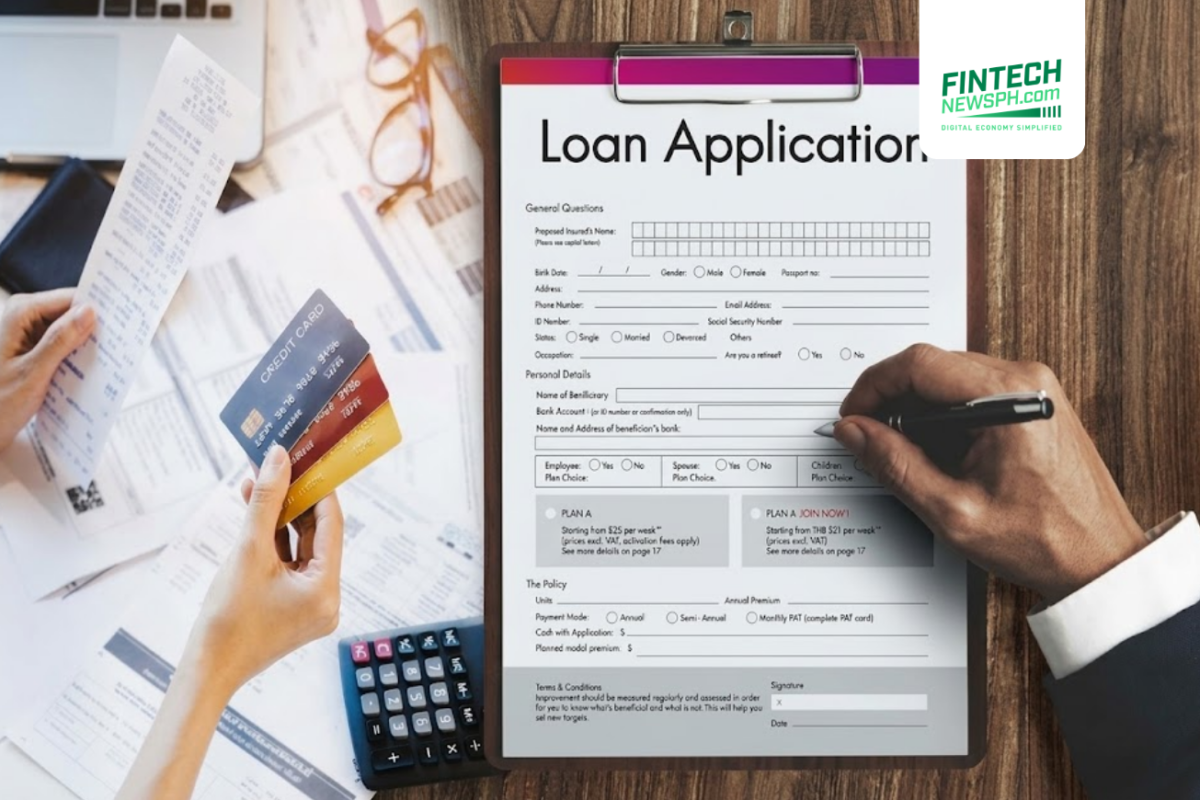
Payment history could become an increasingly important factor in how Philippine MSMEs access credit, particularly for businesses that struggle to qualify for traditional bank loans.
The Benefits of Keeping Accurate Financial Records & How to Get Started | HPR
For many small businesses, the challenge is not necessarily a lack of revenue. It is a lack of the financial records lenders typically want to see. Some micro and small enterprises operate largely through cash transactions, have limited credit histories, or cannot provide extensive financial statements. This can make securing working capital difficult even when the business has a steady stream of customers.
Digital payments are starting to change that equation.
From transactions to financial signals
Every digital payment can tell a story about a business. Regular transactions can show sales activity, while the frequency and value of payments can provide indications of cash flow and business volume.
For lenders, this data could offer another way to assess whether an MSME has the ability to repay a loan.
Instead of relying only on traditional documents such as bank statements, audited financial statements or collateral, lenders could potentially consider a business’s transaction history as part of its credit assessment. A sari-sari store receiving consistent digital payments, for example, may demonstrate a level of business activity that is difficult to capture through conventional credit information alone.
This does not mean payment history automatically makes a business creditworthy. Rather, it could give lenders additional information when evaluating borrowers who may otherwise have limited financial records.
Digital payments are creating more data
The growth of QR payments, digital wallets, online marketplaces and payment platforms means more MSME transactions are moving into digital channels.
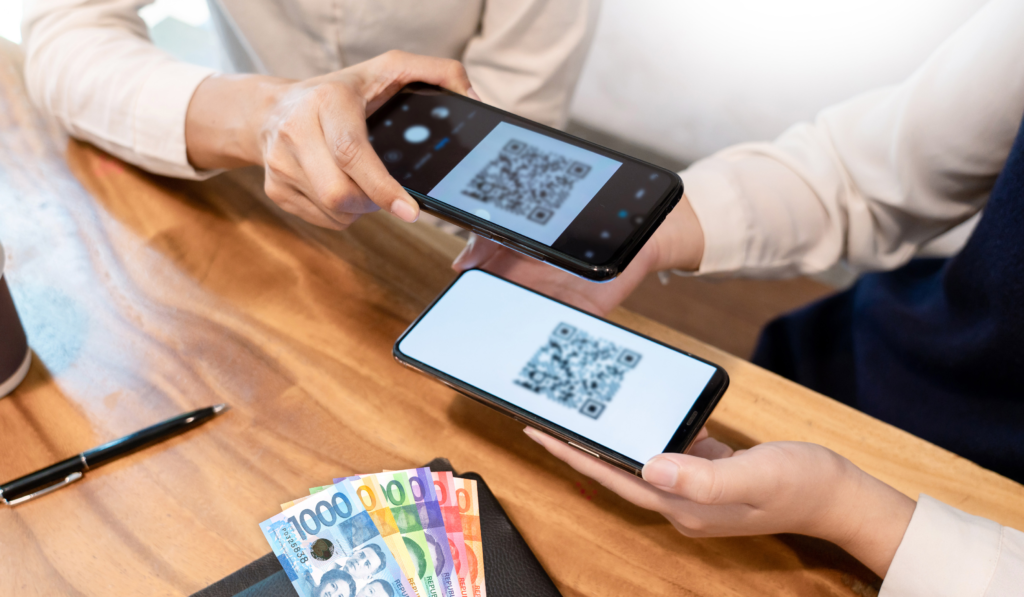
That creates a potentially valuable pool of financial data.
A business that consistently receives payments through digital channels could build a record of its sales activity over time. With the appropriate consent and safeguards, financial institutions and fintech companies could use this information to develop more tailored credit assessments.
The approach is particularly relevant for MSMEs because access to financing remains closely tied to their ability to demonstrate financial capacity. Alternative data could help narrow that gap by providing lenders with a more current picture of how a business actually operates.
Credit could become more personalized
Transaction-based lending could also change the experience of borrowing.
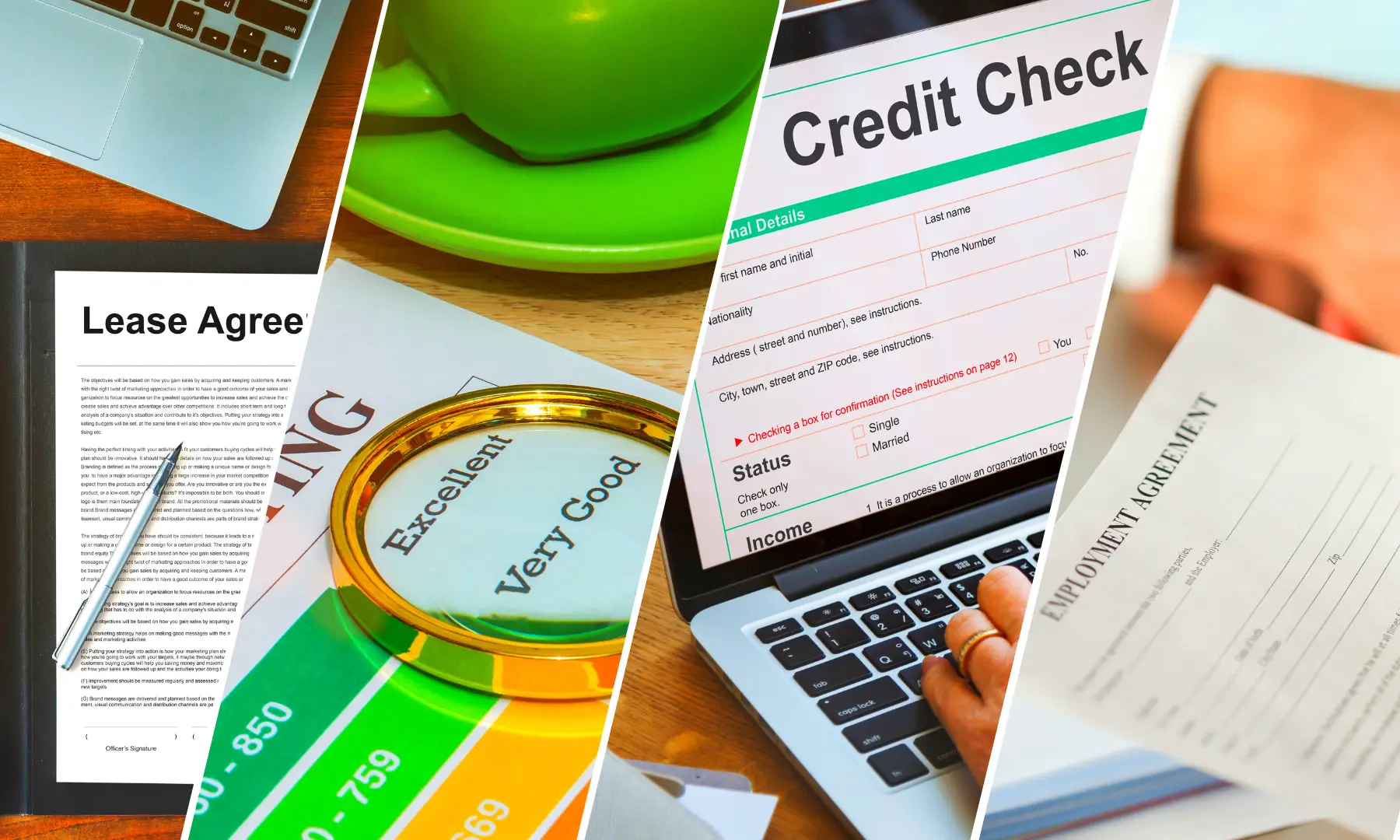
Importance of Keeping a Good Credit Score | Lumina Homes
Instead of offering the same loan assessment to businesses with very different operating patterns, lenders could use transaction data to better understand a borrower’s cash flow and potentially design credit products around actual business activity.
A retailer with consistent daily sales may have different financing needs from a seasonal business whose revenues increase during certain months. Transaction data could help lenders identify these patterns and potentially adjust loan amounts, repayment schedules or other terms accordingly.
For MSMEs, this could mean a credit application becomes less about proving that a business fits a traditional financial profile and more about demonstrating how the business performs in practice.
The data comes with responsibility
There are also important questions around privacy, consent and data security.
Payment data can reveal sensitive information about a business, including its revenue patterns, customers and operating cycles. Businesses therefore need to understand how their information is collected and used before allowing it to become part of a lending decision.
Financial institutions, meanwhile, need strong safeguards to ensure alternative data improves access to credit without creating new risks or unfair lending practices.
The opportunity is significant, but trust will be essential.
A new credit trail for small businesses
For years, building a strong credit profile has been difficult for MSMEs that operate outside traditional banking systems. As more businesses move their payments online, their transaction history could gradually become another form of financial record.
Payment data will not replace traditional credit assessments overnight. But it could give lenders a richer picture of businesses that have previously been difficult to evaluate.
For Philippine MSMEs, that could eventually turn everyday transactions into something more valuable than a completed sale: a digital trail that helps prove they are ready for credit.