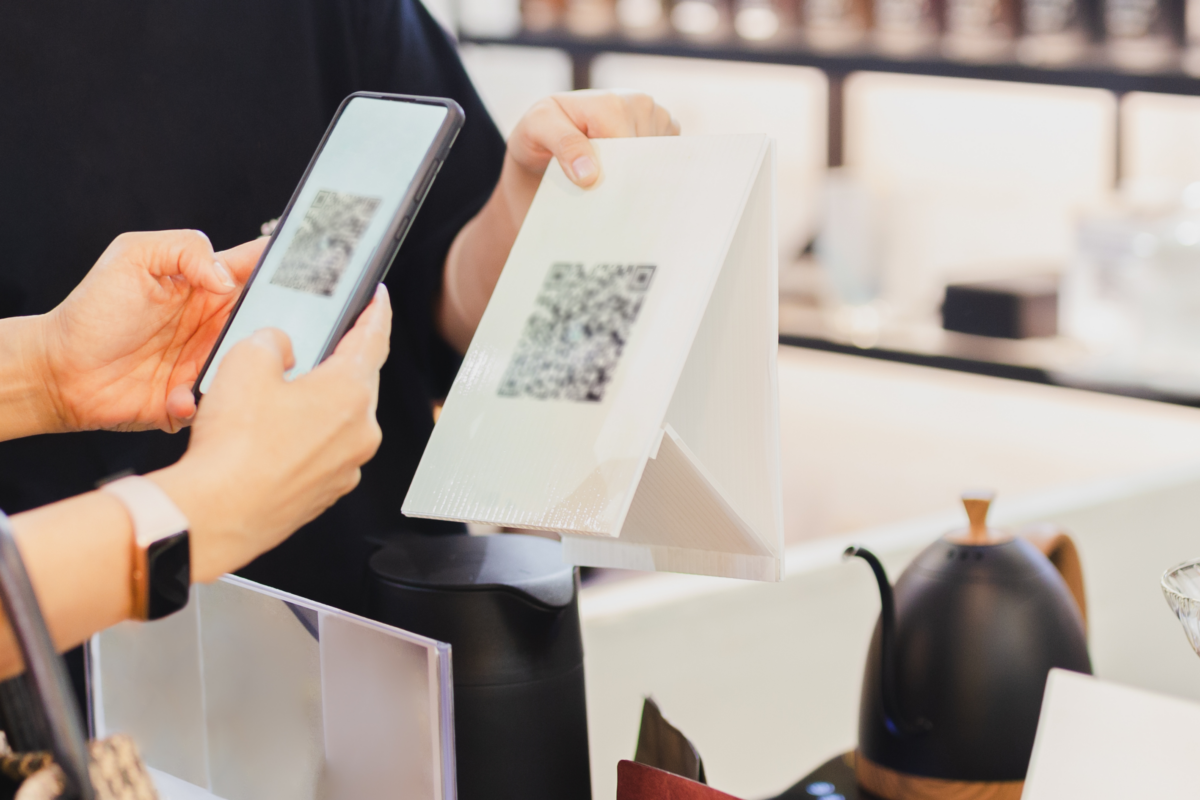
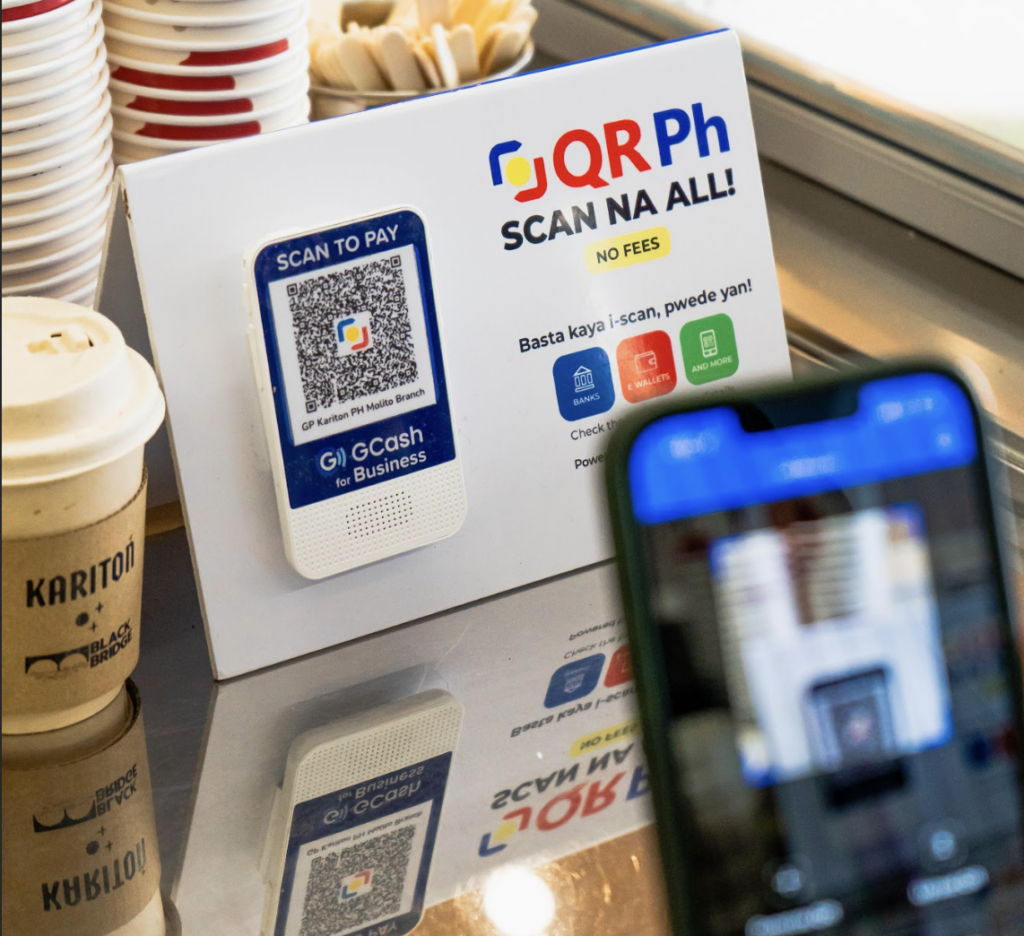
A few years ago, paying through a QR code felt like a novelty. Today, it’s second nature for millions of Filipinos.
Whether buying coffee, paying for groceries, settling a tricycle fare, or purchasing vegetables at a public market, QR payments have become one of the country’s biggest digital finance success stories. What began as a payment option in cafés and restaurants has expanded to neighborhood sari-sari stores, government offices, transport terminals, and businesses of every size.
Behind those familiar black-and-white squares is a payments ecosystem that has transformed how Filipinos move money.
According to the Bangko Sentral ng Pilipinas (BSP) digital retail payments accounted for 57.4% of transaction volume and 59% of transaction value in 2024, surpassing the central bank’s Digital Payments Transformation Roadmap target ahead of schedule.
The Philippines has reached this point largely through interoperable payment infrastructure—including InstaPay, PESONet, and QR Ph — rather than relying on a single dominant super app or a central bank digital currency (CBDC), a distinction recently highlighted in a Forbes analysis.
For the payments industry, however, QR codes were never meant to be the finish line.
The next wave of innovation is beginning to focus less on getting people to pay digitally and more on making every transaction safer, faster, and almost invisible.
Beyond QR: Making digital payments safer
QR payments have made cashless transactions more accessible than ever. But as digital payments continue to grow, so do concerns over fraud, scams, and the protection of consumers’ financial information.
That is where tokenization comes in.
Instead of transmitting or storing a customer’s actual card or account details, tokenization replaces sensitive payment credentials with a unique digital token that has little value if intercepted by cybercriminals.
For consumers, the process happens behind the scenes. Payments feel exactly the same, but the underlying information is far better protected.
The technology is becoming increasingly relevant in the Philippines, where fraud remains a significant concern. According to TransUnion, the country’s suspected digital fraud rate reached 13.4% in 2024, more than double the global average of 5.4%.
As banks, fintech companies, and payment providers continue investing in stronger cybersecurity, tokenization is expected to play a much larger role in reducing fraud while giving consumers greater confidence to transact digitally.
Security, after all, is becoming just as important as convenience.
From scanning to tapping
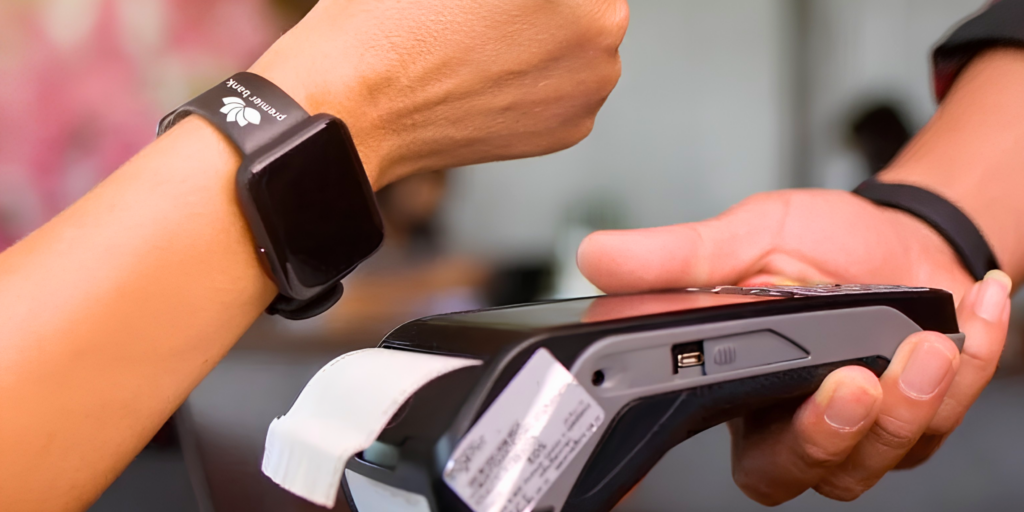
If QR codes removed the need for cash, wearable payments could eventually remove the need to even reach for a phone.
Around the world, contactless payments are increasingly moving beyond smartphones and plastic cards. Smartwatches, payment rings, fitness bands, keychains, and other wearable devices can now function as digital wallets using Near Field Communication (NFC) technology — the same technology behind contactless debit and credit cards.
Instead of scanning a QR code or opening an app, users simply tap the wearable against a compatible payment terminal.
The process takes only seconds.
Wearables also simplify the payment experience by reducing the number of steps needed to complete a purchase. Some devices, particularly payment rings and wristbands, don’t require charging or batteries, making them practical for everyday use.
While QR codes are likely to remain the dominant payment method in the Philippines for the foreseeable future, growing investments in NFC infrastructure could eventually make tap-to-pay transactions more common, particularly in urban areas, public transport, and modern retail environments.
Rather than replacing QR, wearable payments may simply become another option in an increasingly diverse payments ecosystem.
When payments run on autopilot
Another technology attracting attention is programmable payments.
Unlike traditional automatic payments that follow fixed schedules, programmable payments execute transactions based on predefined conditions.
Instead of manually paying bills every month, consumers can set instructions once and allow payments to happen automatically when specific requirements are met.
A salary could automatically trigger rent payments. Insurance premiums could be deducted only when enough funds are available. A percentage of each paycheck could be transferred directly into savings or investments.
For consumers, the technology could make recurring financial tasks easier to manage.
For businesses, it offers opportunities to automate routine financial processes, reduce administrative work, minimize errors, and improve cash flow management.
As artificial intelligence and open finance continue to evolve, programmable payments may eventually become more personalized — helping consumers manage money with far less manual effort than they do today.
QR is only the beginning

The Philippines has already proven that digital payments can succeed at scale.
With the BSP continuing to promote interoperability, financial inclusion, and digital innovation, the conversation is gradually shifting beyond adoption toward improving the overall payment experience.
The next chapter will likely be shaped by technologies that most consumers rarely notice — stronger fraud protection through tokenization, more seamless transactions through wearable devices, and smarter financial management through programmable payments.
QR payments fundamentally changed how Filipinos pay, but they are unlikely to be the final chapter in the country’s digital payments journey.
The next frontier isn’t about replacing QR codes with another payment method. It’s about making digital payments so secure, intuitive, and effortless that the technology fades into the background — and the transaction simply works.
As Philippine fintech continues to evolve, success may no longer be measured by how people pay, but by how seamlessly payments fit into everyday life.