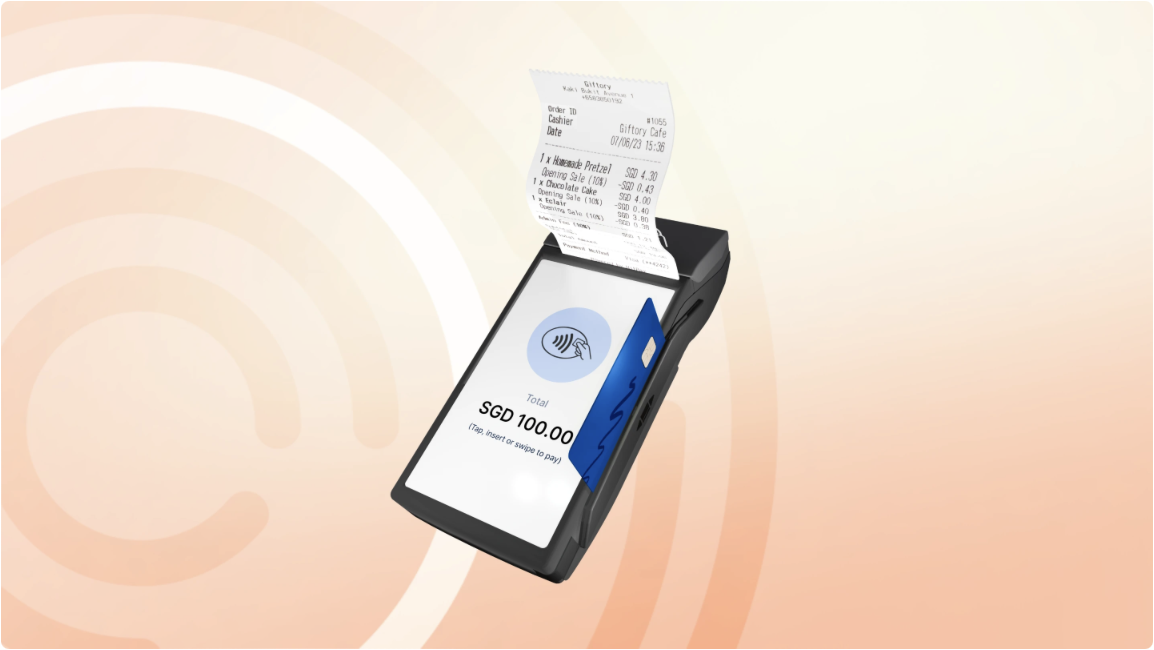
Singapore-based payments platform HitPay said its business in the Philippines more than doubled over the past year, as more local merchants adopted digital payment options ranging from QR codes and bank transfers to e-wallets.
The growth coincided with the company’s inclusion in CNBC and Statista’s World’s Top Fintech Companies 2026, where it made its first appearance in the Payments category.
HitPay was one of 500 companies included in this year’s global ranking, alongside just 35 fintech firms from Southeast Asia. Of those, 25 are headquartered in Singapore.
For HitPay, the recognition comes as it continues to expand beyond its home market by targeting a segment often overshadowed by consumer-focused fintech products: small and medium-sized businesses.
The growth coincided with the company’s inclusion in CNBC and Statista’s World’s Top Fintech Companies 2026, where it made its first appearance in the Payments category.
Riding the shift to digital merchant payments

Aditya Haripurkar, co-founder and CEO of HitPay
While much of Southeast Asia’s fintech boom has been driven by digital wallets, neobanks and cross-border payment platforms, HitPay has concentrated on helping merchants accept payments both online and in physical stores through a single platform.
That focus has resonated in markets like the Philippines, where businesses are increasingly giving customers more ways to pay beyond cash and credit cards.
The company now works with more than 20,000 merchants across Singapore, Malaysia, the Philippines and Australia, serving businesses ranging from neighbourhood retailers and cafés to online sellers and professional service providers.
“The last decade of fintech was about who could grow fastest. The next one is about who can do the most with the least, and pass that efficiency on to the customer,” said Aditya Haripurkar, co-founder and CEO of HitPay.
“We built HitPay to prove a small team could serve small businesses better than a company a hundred times its size, and this list tells us that model holds up against anyone.”
HitPay said merchants using its platform have collectively saved more than US$35 million in payment processing fees since 2020 by shifting away from traditional card-based payment systems. During the same period, non-card payment volumes on the platform grew 124 times.
Haripurkar said the rapid rollout of real-time payment systems and digital wallets across Southeast Asia has changed the economics of accepting payments for merchants.
“Just over five years back, the only option for merchants to accept payments would be card payments, which by their nature have a high interchange rate,” he said.
“What’s happened in the region since is that you have real-time payment schemes and e-wallets that consumers now prefer, and merchants have had to adopt them at checkout. That allows businesses to increase their margins and become more sustainable.”
Small team, regional expansion
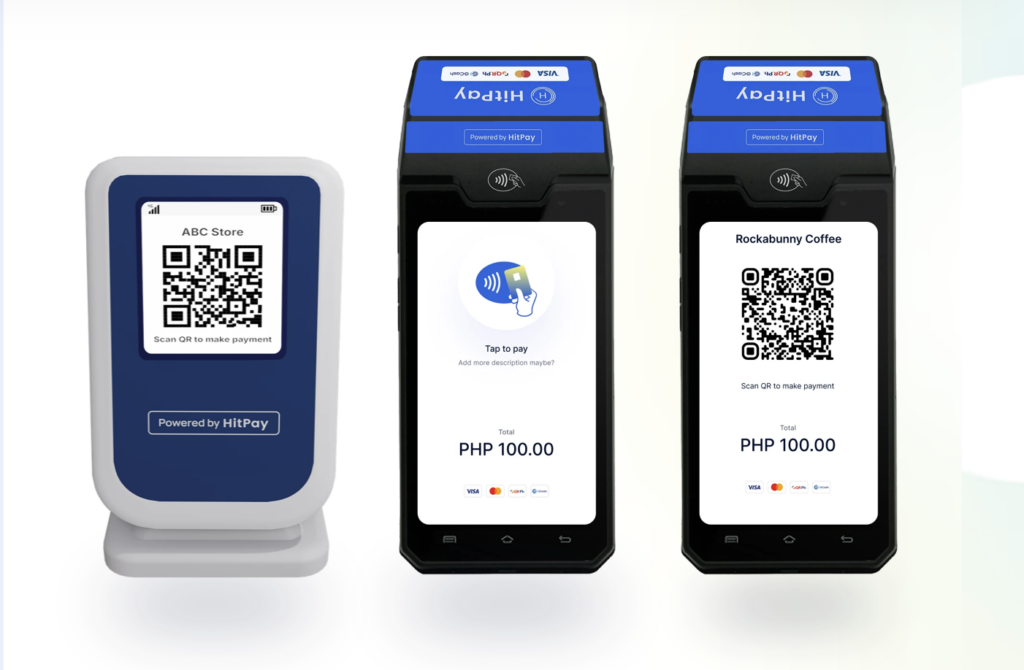
HitPay has built that regional business with a workforce of around 40 people. Since launching in 2016, it has raised about US$18.5 million in funding, including a Series A round led by Tiger Global in 2022.
The company is regulated by the Bangko Sentral ng Pilipinas (BSP), the Monetary Authority of Singapore, Bank Negara Malaysia, Australia’s AUSTRAC and the U.S. Financial Crimes Enforcement Network (FinCEN).
Southeast Asia gains global fintech recognition
HitPay’s inclusion in CNBC’s ranking also reflects Southeast Asia’s growing presence in the global fintech industry.
According to Boston Consulting Group, Asia-Pacific was the world’s fastest-growing fintech market in 2025, posting 25% revenue growth as digital financial services continued to gain traction across the region.