

Filipino consumers remain optimistic about their financial future despite persistent inflation, but many are becoming more deliberate about how they spend, save, and borrow, according to TransUnion‘s latest Consumer Pulse Study.
The credit information and insights company found that 74 percent of Filipinos expect their household income to improve over the next 12 months, matching the percentage who also expressed optimism about their overall financial outlook.
That optimism, however, comes with growing caution.
More than half of respondents said they had reduced discretionary spending over the past three months, while nearly half reported adding to their savings and planning to rely more on credit to manage household finances.
Inflation continues to shape household decisions

IMAGE CREDIT: PSA
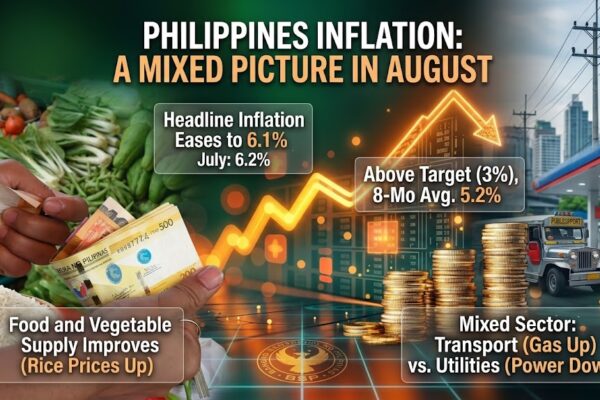
Inflation remained the biggest concern for Filipino households, with 84 percent of respondents identifying rising prices as one of the top issues likely to affect their finances over the next six months.
Although inflation eased from 7.2 percent in April to 6.8 percent in May, according to the Philippine Statistics Authority, affordability remains a challenge.
In the Consumer Pulse Study, TransUnion found that 45 percent of consumers expect they will be unable to fully pay at least one current bill or loan over the coming months.
“Filipino households are entering the second half of the year optimistic but clear-eyed,” said Weihan Sun, Senior Director of Research and Consulting for Asia Pacific at TransUnion.
“They expect their incomes to stay resilient, which keeps confidence broadly intact, yet they continue to feel the weight of inflation on everyday costs and uncertainty surrounding future financial commitments.”
Households cut spending while building savings

IMAGE CREDIT: Freepik
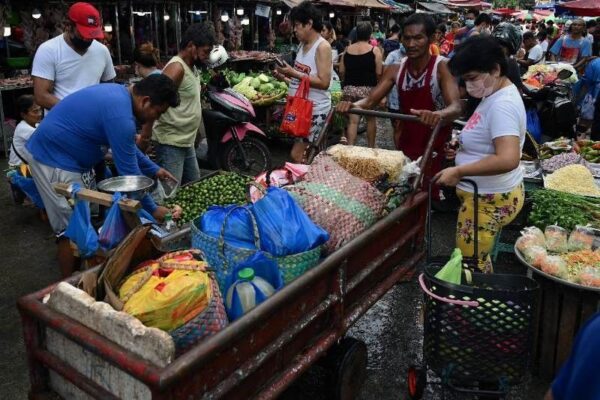
The survey suggests consumers are responding to higher living costs by becoming more disciplined with their finances.
More than half (55 percent) said they had reduced discretionary expenses such as dining out, travel, and entertainment, up from 47 percent a year earlier.
At the same time, 49 percent reported adding to their emergency savings, while fewer consumers said they had withdrawn money from retirement funds.
These shifts suggest many households are trying to strengthen their financial position despite ongoing economic pressures.
Credit remains important — but barriers persist
Even as consumers tighten spending, demand for credit remains strong.
Nearly half (48 percent) said they plan to apply for new credit or refinance existing loans over the next year.
Interest in personal loans rose to 52 percent, while planned credit card applications rose to 35 percent. Mortgage demand, however, declined from 17 percent to 12 percent.
TransUnion said more consumers are turning to credit to help manage cash flow, but many still struggle to complete the borrowing process.
Among respondents who considered applying for credit, 60 percent ultimately abandoned their applications.
The most common reason was borrowing costs, cited by 35 percent of respondents, followed by securing alternative funding sources (32 percent) and income or employment-related concerns (28 percent).
“More Filipinos are turning to credit for the flexibility it offers, especially in uncertain times,” Sun said.
“When six in ten consumers who consider borrowing ultimately walk away from a credit application, the issue is less about intent than friction. There is an opportunity for lenders to make credit more accessible while ensuring responsible lending practices.”
A more deliberate approach to money
TransUnion said the findings point to a shift in how Filipino households are managing their finances.
Rather than simply cutting back on spending, many consumers appear to be balancing multiple strategies — from reducing non-essential purchases and increasing savings to using credit more selectively—to cope with rising living costs while remaining optimistic about their long-term financial prospects.
The findings are based on TransUnion’s Q2 2026 Consumer Pulse Study, which surveyed 961 Filipino adults between April 29 and May 19, 2026.