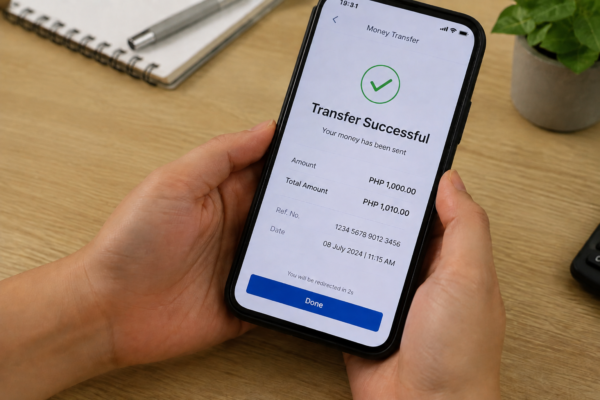

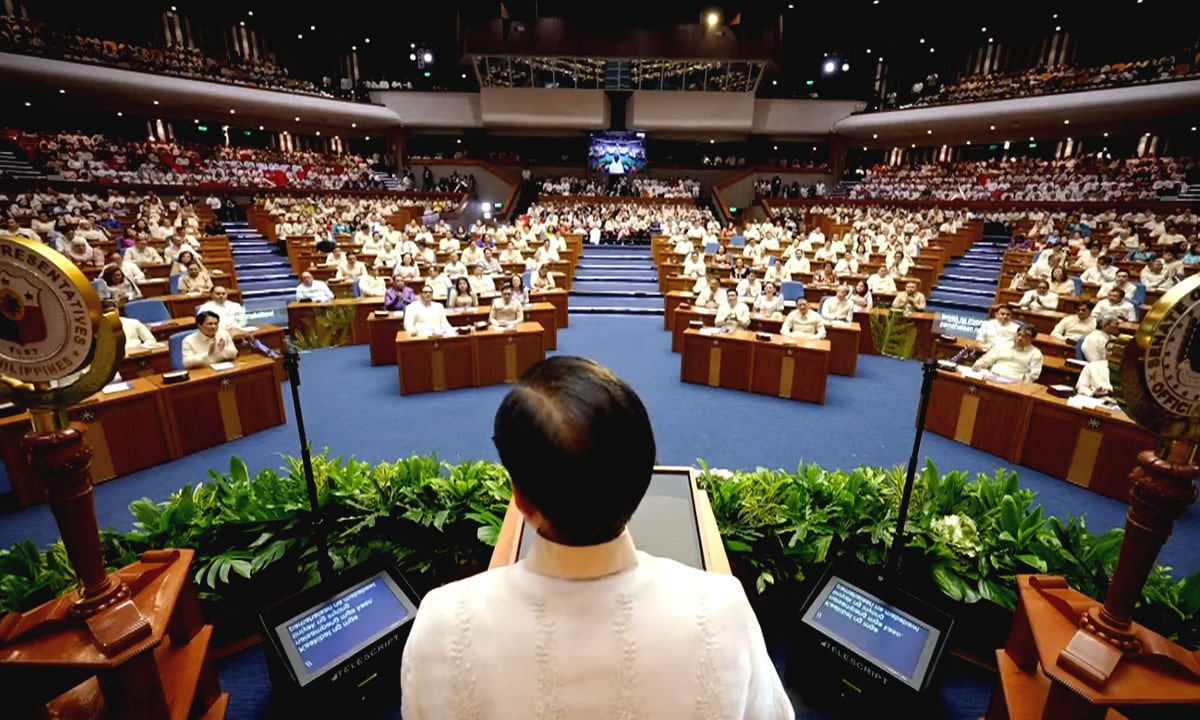
The proposed eBayad Act is returning to the legislative spotlight as Congress begins its second regular session following President Ferdinand Marcos Jr.’s 2026 State of the Nation Address.
The measure seeks to expand the use of secure and interoperable digital payments across government collections and disbursements, while encouraging more Philippine merchants to accept electronic transactions.

The House of Representatives approved House Bill No. 8468, or the proposed eBayad Act, on third and final reading on March 16. A Senate counterpart received renewed attention when Senator Christopher “Bong” Go filed Senate Bill No. 2330 on July 15. As of July 24, the measure had passed the House but remained at the Senate committee level.
The proposal is also included in the Legislative-Executive Development Advisory Council’s common legislative agenda for the 20th Congress, although it was listed among the remaining measures rather than the bills targeted for passage by June 2026.
A broader legal framework for government payments
Digital government payments are not entirely new. Executive Order No. 170, issued in 2022, already directed departments, agencies, and instrumentalities under the executive branch — including state universities, government-owned or controlled corporations — to use digital payments for government disbursements and offer electronic options for collections.
Local government units were also encouraged, rather than expressly required, to follow the same guidelines.
The House-approved eBayad bill would expand these requirements through legislation. Its coverage includes national and foreign-based government agencies, government corporations, LGUs, state universities and colleges, and local universities and colleges.
Covered institutions would be required to use digital disbursements for payments involving goods, services, salaries, wages, allowances, honoraria, cash assistance and other government expenditures.
They would also have to offer digital collection options for taxes, fees, tolls and other revenues. Cash would remain available, meaning the proposal would expand payment choices rather than establish a completely cashless government.
Recipients could receive public funds through transaction accounts maintained with government or private financial institutions. When transfers fail, agencies and payment providers would need a recovery mechanism, while non-digital payout methods could still be used during calamities and other emergencies.
Government collections remain the larger digital gap
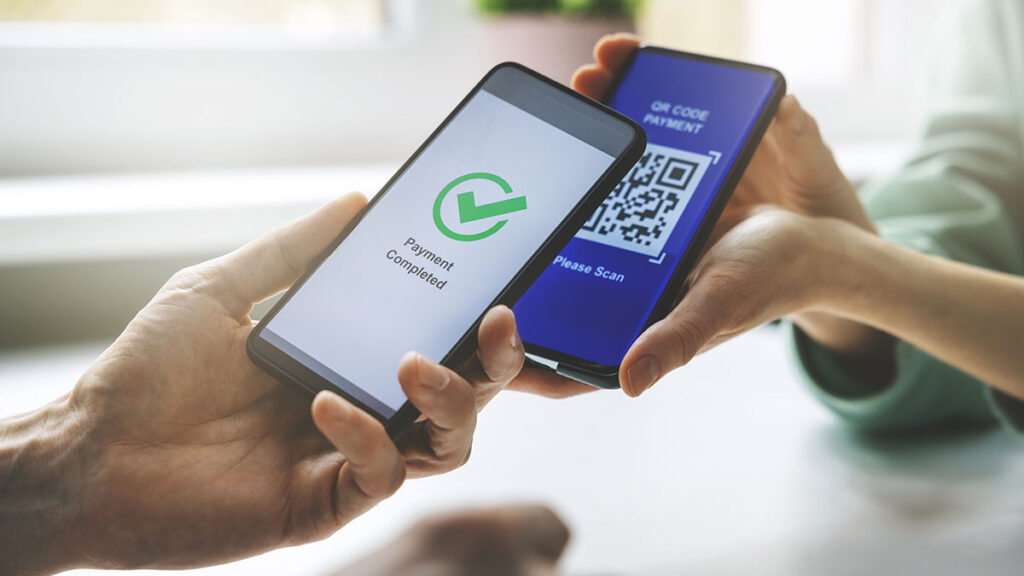
IMAGE CREDIT: Freepik
The proposal comes as electronic payments already account for the majority of Philippine retail transactions.
Bangko Sentral ng Pilipinas (BSP) data showed that digital payments represented 57.4% of total monthly retail payment volume in 2024, up from 52.8% in 2023.
By comparison, government disbursements were already 97.2% digital. Payments made by individuals to the government, however, were only 24.6% digital, indicating that collections such as taxes, permits and government fees remain a major area for further adoption.
The House bill would require government agencies to use secure and interoperable payment solutions compliant with the National Retail Payment System Framework and the National Payment Systems Act.
For the fintech industry, the clearest opportunities would lie with BSP-supervised banks and non-bank electronic money issuers qualified to act as payment service providers.
Payment gateways, systems integrators, cybersecurity companies, fraud-management providers and identity-verification firms could also support implementation through partnerships and government procurement contracts. Their participation, however, would depend on the final version of the law, implementing regulations and procurement requirements.
The bill would create a BSP-led steering committee involving the Commission on Audit, Department of Finance, Department of Budget and Management, Bureau of the Treasury, Bureau of Internal Revenue, DICT, Department of Trade and Industry and other agencies. The committee would guide implementation and monitor the government’s procurement of payment solutions.
Security, fees and failed transactions will determine adoption
Passing the law would not automatically guarantee convenient digital government services.
Government platforms would still need to work across different banks and e-wallets, remain accessible during periods of high demand, and provide clear procedures when payments are delayed, duplicated or sent to the wrong account.
Under the House version, payment providers would have to incorporate security and data privacy by design, protect personal information, assist agencies in handling complaints and cooperate with COA audits involving government funds.
Electronic invoices, official receipts or equivalent digital proof of payment would also be recognized, subject to existing accounting, auditing and tax rules. Providers would not be allowed to impose a separate charge solely for issuing electronic proof of payment.
The measure also directs LGUs to establish incentives and assistance for merchants adopting digital payments, with particular attention to market vendors, sari-sari stores, food stalls and transport operators.
Low-value or micropayment transactions could qualify for graduated pricing or be exempt from service charges, although the BSP would determine the applicable thresholds and rules after consulting merchants and the payments industry.
If enacted, the eBayad Act would give the Philippines its first comprehensive legal framework governing digital payments across government. Whether it succeeds, however, will depend not only on legislation but also on how effectively agencies, financial institutions, and payment providers work together to deliver secure, interoperable, and accessible services nationwide.