

The Bank of the Philippine Islands (BPI) is taking its first step into stablecoin-powered payments through a pilot program with global digital clearinghouse Meridian. The initiative aims to make it faster and cheaper for overseas Filipino workers (OFWs), freelancers and other Filipinos to receive money from abroad.
The pilot reflects BPI’s continued investment in digital financial infrastructure as demand grows for faster, more affordable international money transfers. If successful, the project could help modernize how overseas earnings are received while maintaining the security and compliance standards expected from a regulated bank.
Modernizing cross-border payments with stablecoins
Stablecoins are digital assets designed to maintain a stable value by being pegged to fiat currencies such as the US dollar. Unlike traditional cryptocurrencies, they are primarily used for payments and settlement because they minimize price volatility.
Through its partnership with Meridian, BPI plans to use stablecoin payment rails to shorten the time it takes for overseas payments to reach Filipino recipients.
Instead of relying solely on conventional correspondent banking networks, the system uses blockchain-based settlement before converting funds into Philippine pesos and depositing them into customers’ bank accounts. This approach has the potential to reduce both transaction costs and processing time.
The pilot will initially prioritize payroll credits for freelancers, virtual assistants, and other workers in the informal economy who receive payments from international clients. These sectors continue to grow as more Filipinos participate in the global digital workforce.
Supporting OFWs and the digital workforce
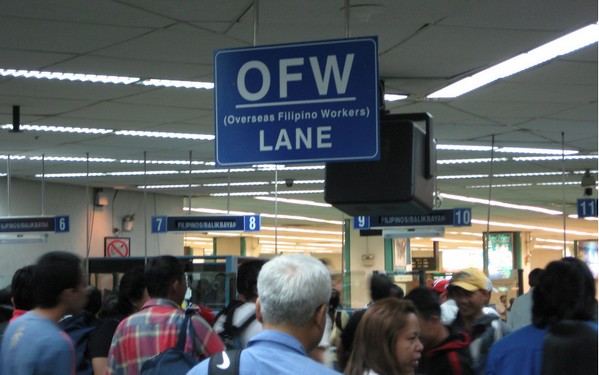
Millions of Filipinos depend on cross-border payments, whether through overseas employment or remote freelance work. However, traditional remittance channels can still involve multiple intermediaries, resulting in higher fees and longer settlement periods.
BPI believes stablecoin technology can address these long-standing challenges by enabling faster and more efficient fund transfers while preserving the safeguards of regulated banking. According to the bank, the initiative aligns with its broader digitalization strategy and commitment to improving customer experience.
The project is expected to benefit not only OFWs but also exporters, entrepreneurs, freelancers, and other digital professionals who regularly receive international payments. As remote work continues to expand, more Filipinos may gain access to quicker and more cost-effective payment options.
Regulatory compliance remains a priority
While blockchain technology enables faster settlement, BPI emphasized that the pilot will be conducted in close coordination with the Bangko Sentral ng Pilipinas (BSP). Consumer protection, reserve transparency, and regulatory compliance will remain central throughout the testing phase.

The collaboration also highlights how traditional financial institutions are increasingly exploring blockchain-based infrastructure without replacing existing banking systems. Instead, stablecoins are being evaluated as an additional settlement layer that complements regulated banking services.
BPI intends to expand the pilot to more customers following its initial rollout, with broader availability targeted ahead of the ASEAN Summit later this year. The initiative signals growing institutional confidence in blockchain-enabled payments as banks continue to modernize cross-border financial services.
What this means for Philippine digital finance
BPI’s move into stablecoin-powered payments demonstrates how Philippine banks are beginning to integrate emerging financial technologies into mainstream banking.
By focusing on real-world payment use cases rather than speculative crypto trading, the initiative could help improve the efficiency of remittances and international payroll while supporting the country’s expanding digital economy.
If successful, the pilot could encourage broader adoption of blockchain-enabled payment infrastructure across the Philippine banking sector, giving both consumers and businesses access to faster, safer, and more affordable cross-border transactions.
—
Disclaimer: This article is based primarily on information publicly disclosed by the Bank of the Philippine Islands (BPI), Meridian, and related announcements regarding their stablecoin payments pilot. The content has been edited for clarity and journalistic style. FintechNewsPH publishes this article solely for informational and news reporting purposes. References to stablecoins, blockchain technology, and digital asset infrastructure do not constitute an endorsement of any cryptocurrency, digital asset, virtual asset service provider, exchange, payment platform, or financial product. This article should not be considered financial, legal, tax, or investment advice.