
Stablecoin cross-border payments are rapidly emerging as a viable alternative to traditional remittance and international payment channels in the Philippines.
Once viewed primarily as digital assets used for cryptocurrency trading, stablecoins are now finding practical applications in cross-border settlements, freelancer payouts, and merchant transactions, offering faster transfers and significantly lower costs.
As the country’s digital economy continues to expand, fintech companies are exploring how stablecoin cross-border payments can complement existing financial infrastructure. With millions of Filipinos relying on overseas income — whether through remittances, freelance work, or international business —payment efficiency has become increasingly important in supporting financial inclusion and economic growth.
The rise of stablecoin cross-border payments for Filipinos
The appeal of stablecoin cross-border payments lies in their ability to eliminate many of the inefficiencies associated with traditional banking systems. Conventional international money transfers often pass through several correspondent banks before reaching the recipient, resulting in processing times of three to five business days while accumulating intermediary fees and foreign exchange costs.
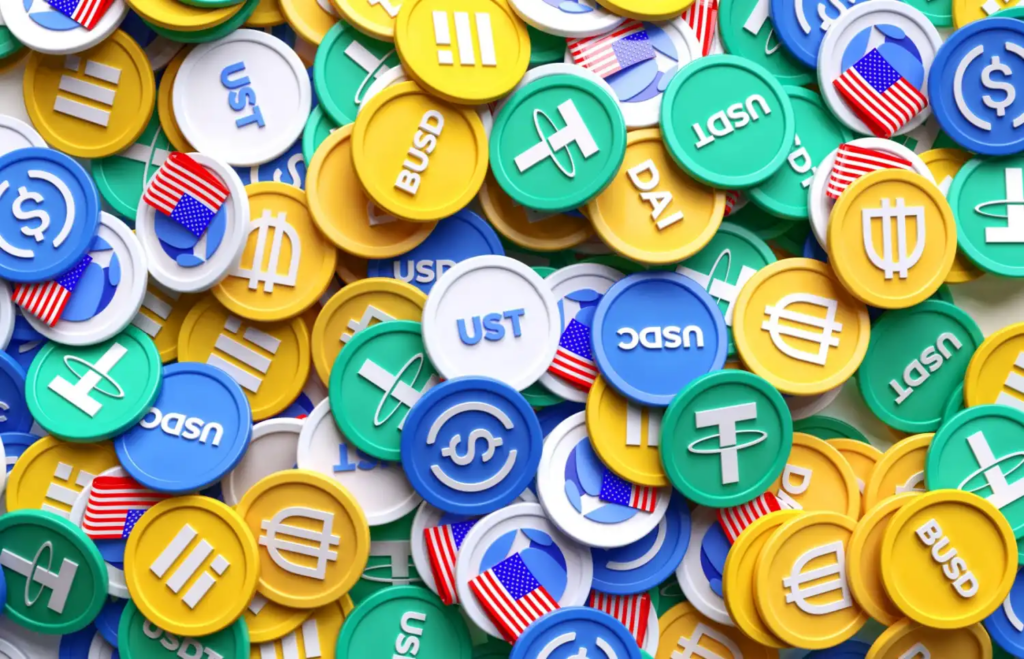
Stablecoins such as USDC and USDT provide a different approach by enabling value to move directly over blockchain networks. Instead of waiting several days, transactions can settle within minutes — or even seconds — allowing recipients to access their funds much sooner.
For freelancers, remote workers, and exporters serving overseas clients, stablecoin cross-border payments offer a faster and more transparent settlement process.
The shift is particularly relevant for the Philippines, where an estimated 1.5 to 2 million freelancers provide services to international clients.
As global digital work continues to grow, faster access to earnings may become a competitive advantage for Filipino professionals participating in the digital economy.
Fintech innovation is accelerating adoption
The momentum behind stablecoin cross-border payments is also being driven by local fintech innovation.
Among the companies helping introduce stablecoins to a broader Philippine audience is Coins.ph, which has expanded its support for dollar-backed stablecoins through cross-border payment services, digital asset offerings, and educational initiatives aimed at demonstrating their practical use beyond cryptocurrency trading.
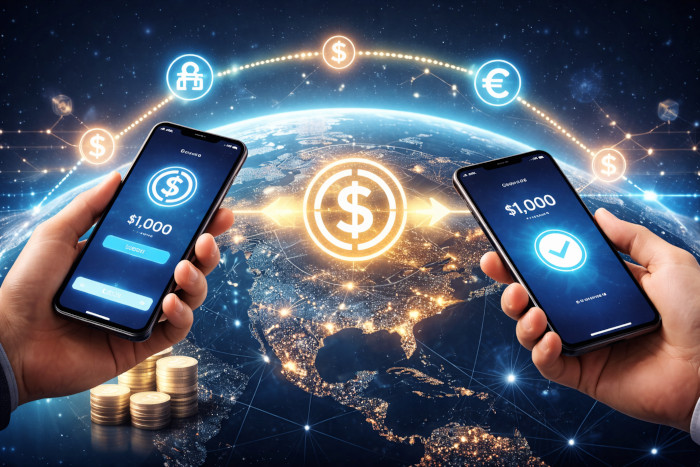
Digital asset platforms are now also partnering with global payment networks to enable users to receive dollar-backed stablecoins before converting them into Philippine pesos through local banks and e-wallets.
These developments complement the country’s existing digital payment ecosystem. Rather than replacing services such as QRPh, InstaPay, or PESONet, stablecoin cross-border payments introduce another settlement layer capable of supporting international transactions.
As interoperability improves, users could eventually receive overseas payments through stablecoins and immediately spend or transfer funds using local digital payment channels.
Businesses are likewise beginning to recognize the operational advantages. Faster settlements improve cash flow, while lower transaction costs help companies reduce expenses associated with payroll, supplier payments, and cross-border commerce. As more enterprises digitize their financial operations, stablecoin cross-border payments are becoming part of broader discussions on financial modernization.
Regulation will shape the future of cross-border finance
While adoption continues to grow, stablecoin cross-border payments remain subject to evolving regulatory frameworks. Policymakers around the world are working to establish rules governing reserve backing, consumer protection, anti-money laundering compliance, and operational transparency to ensure stablecoins can safely integrate into the financial system.
In the Philippines, regulators have consistently supported digital financial innovation while emphasizing responsible oversight. As regulatory clarity improves, stablecoin cross-border payments could become an important complement to traditional banking services rather than a replacement for them. Financial institutions, fintech firms, and payment providers may ultimately work together to deliver faster and more inclusive payment solutions.
Industry observers also believe that stablecoins could strengthen the country’s position in the global digital economy. Combined with QRPh, digital wallets, and real-time payment infrastructure, stablecoin cross-border payments have the potential to connect international commerce with the Philippines’ rapidly growing cashless ecosystem.
Building the next generation of global payments

The growing adoption of stablecoin cross-border payments signals a broader transformation in how money moves across borders.
Faster settlements, lower costs, and improved accessibility are making stablecoins increasingly attractive for freelancers, businesses, and overseas Filipinos seeking more efficient financial solutions.
As companies such as Coins.ph continue to expand stablecoin-enabled services and educate consumers about their real-world applications, awareness of blockchain-based payments is expected to grow alongside the country’s broader digital finance ecosystem.
Although traditional remittance providers and banks will continue to play an essential role, stablecoin cross-border payments are expanding the range of options available to consumers.
As fintech innovation continues and regulatory frameworks mature, the Philippines is well positioned to become one of Southeast Asia’s leading markets for next-generation cross-border payment infrastructure.
—
Disclaimer: This article is for news and informational purposes only and should not be construed as financial or investment advice or an endorsement of any cryptocurrency or platform. Crypto-assets are highly speculative and involve significant risks. Readers should verify the regulatory status of crypto service providers with the BSP and the SEC before making any investment or transaction.