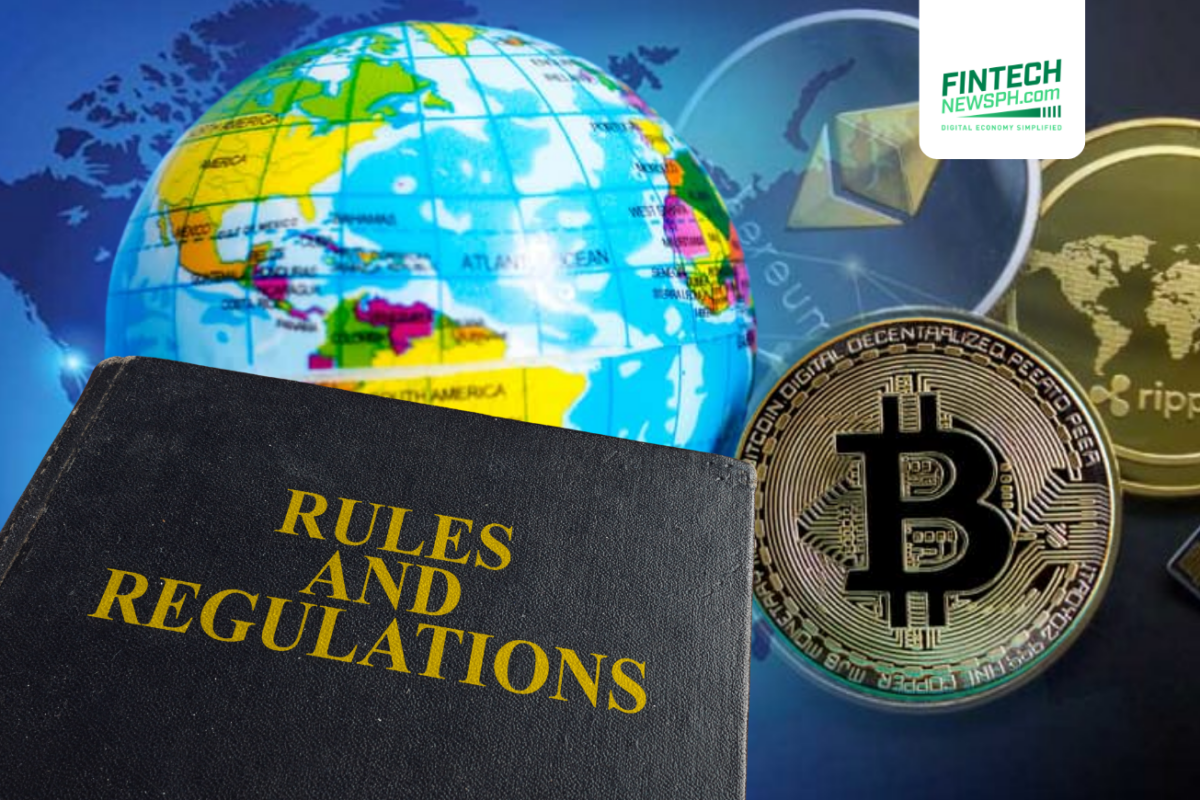
Global crypto rules are becoming more consistent across major markets, signaling a new phase for the digital asset industry.
Governments are moving beyond simply recognizing cryptocurrencies and are now implementing stricter licensing, compliance, and consumer protection requirements for exchanges and crypto service providers.
For Filipino investors, these developments may not be taking place in the Philippines, but they could still influence how digital assets are bought, sold, and transferred.
Since many local users rely on international exchanges and cross-border transactions, global regulatory changes are expected to reshape the overall crypto experience in 2026.
Industry analysts note that clearer regulations are also encouraging institutional participation while increasing oversight of virtual asset service providers worldwide.
Why global crypto rules matter to Filipino investors
Crypto regulation has become a priority for financial authorities across multiple jurisdictions.
Rather than banning digital assets, many governments are introducing standardized rules covering licensing, anti-money laundering measures, identity verification, and operational transparency.
This shift could directly affect Filipino users who access global crypto platforms.
Exchanges may introduce additional Know Your Customer (KYC) requirements, enhanced wallet verification, or updated reporting procedures to comply with international standards. While these measures may require more documentation, they are also designed to strengthen investor protection and reduce financial crime.
The trend toward harmonized regulation may also improve confidence among banks, payment providers, and institutional investors, potentially supporting wider adoption of digital assets over the coming years.
What could change for local crypto users
Filipino crypto investors may begin noticing operational changes even if they continue using the same platforms. Global exchanges serving multiple countries often apply compliance policies across their entire customer base, meaning new verification requirements could become standard.
Cross-border crypto transfers may also involve additional compliance checks, particularly for larger transactions or transfers between regulated platforms. Some exchanges could request more information about wallet ownership or the purpose of certain transactions before allowing withdrawals or deposits.
Meanwhile, the Philippines continues to strengthen its own regulatory framework. The Securities and Exchange Commission (SEC) introduced oversight for Crypto Asset Service Providers (CASPs), complementing the Bangko Sentral ng Pilipinas’ (BSP) existing framework for Virtual Asset Service Providers (VASPs). As these frameworks mature, crypto businesses operating locally may need to comply with both regulatory regimes depending on the services they offer.
Preparing for a more regulated crypto market
For Filipino investors, tighter regulation does not necessarily mean fewer opportunities.
Instead, it signals a market that increasingly emphasizes transparency, accountability, and consumer protection.
Users can prepare by ensuring their exchange accounts have updated identification documents, enabling security features such as multi-factor authentication, and using licensed or regulated platforms whenever possible. Staying informed about regulatory announcements can also help investors avoid disruptions to trading or withdrawals.
As global crypto rules continue to evolve, compliance is becoming a shared responsibility among regulators, exchanges, and users. Investors who understand these developments may be better positioned to navigate the digital asset market while managing both opportunities and regulatory expectations in 2026.
Regulation shapes the future of crypto
The global crypto industry is entering a new chapter where regulation and innovation are expected to develop together.
For Filipino investors, understanding how global crypto rules influence exchanges, digital wallets, and cross-border transactions will become increasingly important.
While additional compliance may introduce new steps for users, it could also help build a safer and more transparent digital asset ecosystem. As both international regulators and Philippine authorities refine their approaches, informed investors will be better prepared for the evolving crypto landscape in 2026.
—
Disclaimer: This article is based primarily on information published in the TRM Labs Global Crypto Policy Review & Outlook 2025–26 report and has been edited for clarity and journalistic style. Insights regarding global cryptocurrency regulations, compliance trends, and market developments are attributed to TRM Labs and other cited regulatory sources unless otherwise indicated. FintechNewsPH publishes this report as a news article for informational purposes only and does not endorse any financial product, digital asset, cryptocurrency, virtual asset service provider, exchange, or investment platform. This article should not be considered financial, legal, or investment advice.