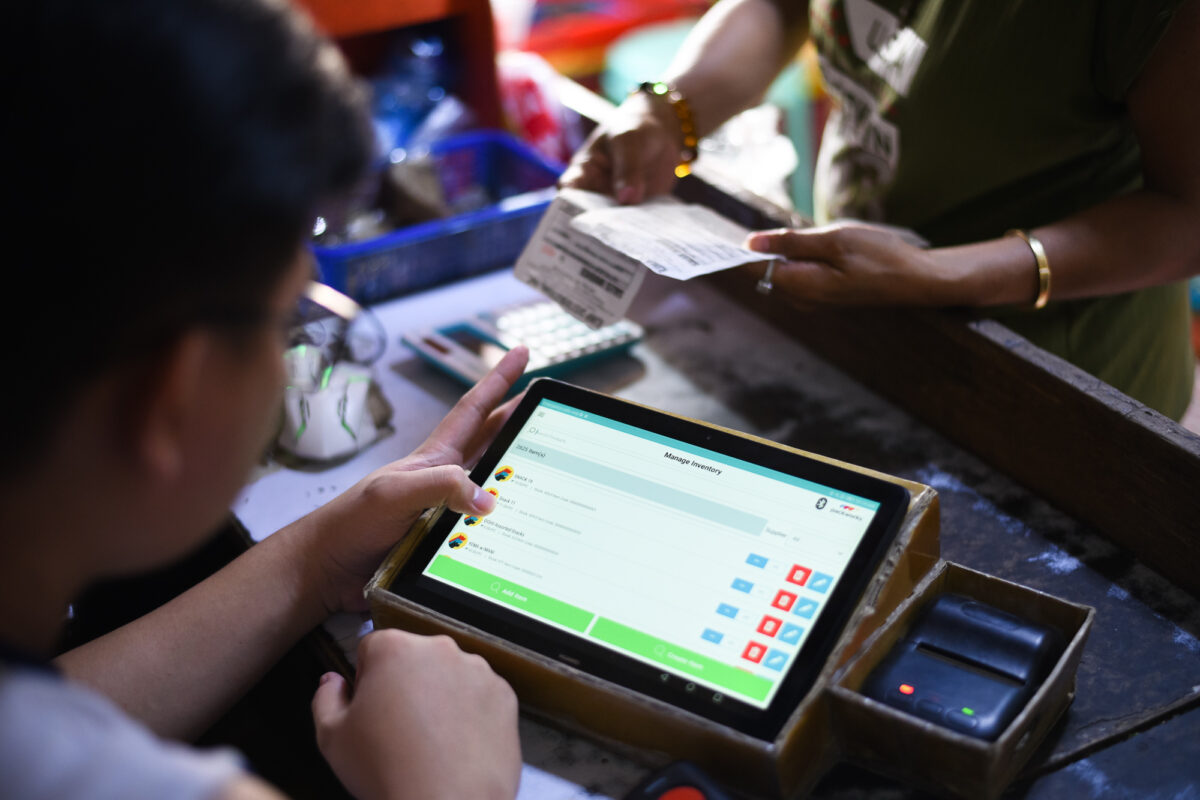
Sari-sari stores using artificial intelligence-powered inventory planning tools are seeing significant improvements in sales performance, according to new data released by Filipino retail technology startup Packworks.
The company reported that stores utilizing its AI-driven Store Insighting Project (SIP) recorded a 79% increase in median sales among their top 50 products within two months of adoption.
The findings were based on an analysis of more than one million monthly transactions across Packworks’ network of approximately 300,000 sari-sari stores and micro-retailers nationwide.
According to the report, median gross merchandise value (GMV) generated from high-demand products increased from ₱187,229 to ₱335,818 per store after merchants began using SIP-generated inventory recommendations.
The data suggests that AI-based inventory insights may help small retailers better identify fast-moving products and optimize stocking decisions, particularly in communities where sari-sari stores remain a primary retail channel.
“Dinagdagan ko ang pag-order ng mga top 10 product na nasa SIP document (I increased my orders for the Top 10 products identified in the SIP document),” shared Elizabeth Veluz, a sari-sari store owner from Camarines Sur, describing how the recommendations influenced her purchasing decisions.
AI insights boost sales beyond top products
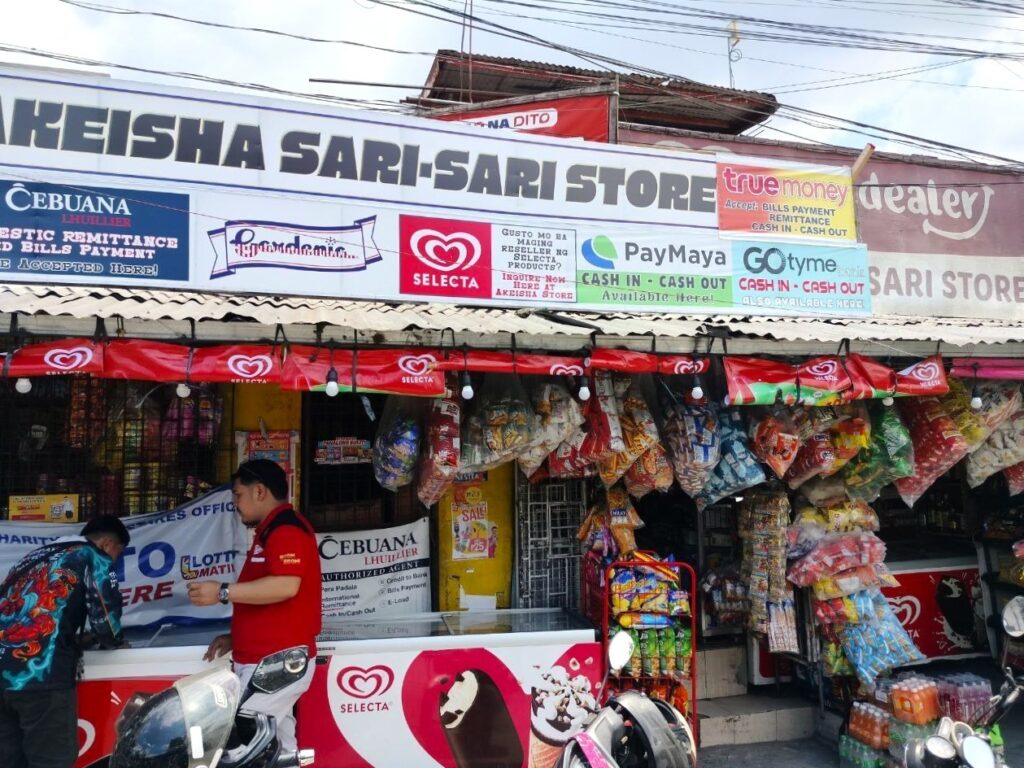
IMAGE CREDIT: Cebuana
Beyond top-selling items, Packworks found that stores using SIP also experienced a 47% increase in median sales of seasonal products.
The company said the results indicate that merchants were better able to anticipate changes in consumer demand during weekends, rainy days, and other peak purchasing periods.
“Nakikita rito ang mabebentang produkto, kaya makakapag-stock kami nang marami at maiiwasan ang ‘out of stock’ (The report helps us identify products that will sell well so we can stock more and avoid running out),” said Lucia Bongot, a store owner from Cavite.
The study also showed improvements in the performance of slower-moving inventory. Median sales of these products increased by 96%, rising from ₱7,361.60 to ₱14,429. Store owners reportedly used the data to promote underperforming items and improve inventory turnover.
Overall, stores using SIP recorded a 29% increase in median total sales and a 20% increase in the median number of transactions, according to the report.
Packworks Chief Data Officer Andoy Montiel said the findings demonstrate how access to business intelligence tools can support small entrepreneurs.
“Our findings show that when data is democratized, we give grassroots entrepreneurs the power to chart their own growth,” Montiel said. “By equipping sari-sari store owners with insights to stock smarter and operate more efficiently, we are helping build a more resilient grassroots economy.”
The SIP platform was developed through support from the Department of Science and Technology–Philippine Council for Industry, Energy and Emerging Technology Research and Development (DOST-PCIEERD) under its Startup Grant Fund program. Packworks also works with ecosystem partners including ST Telemedia Global Data Centres Philippines and Ateneo de Manila University’s Business Insights Laboratory for Development (BUILD).
Packworks pushes inclusive AI for grassroots entrepreneurs
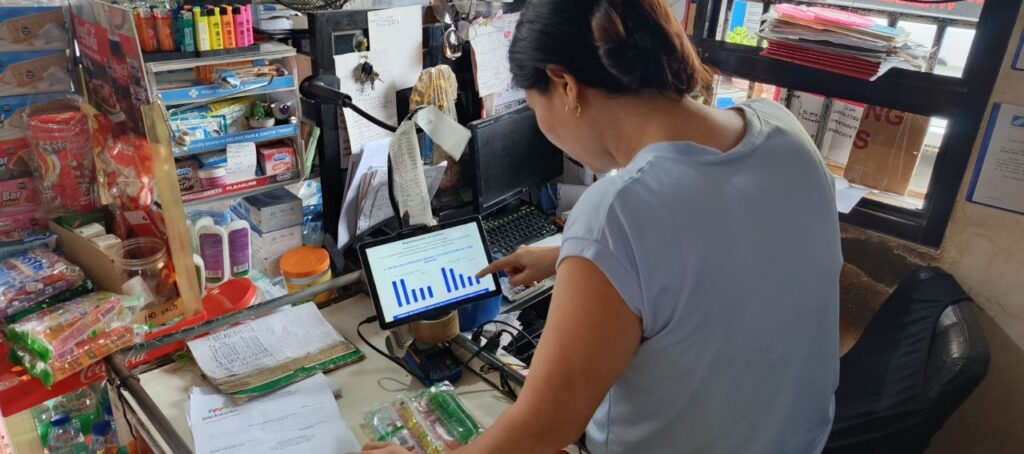
IMAGE CREDIT: Packworks
The report comes as interest in AI adoption continues to expand beyond large enterprises and into small business operations. Across Southeast Asia, governments and private-sector organizations have increasingly promoted AI tools as a way to improve productivity, decision-making, and operational efficiency among micro, small, and medium enterprises (MSMEs).
In May, Packworks and its partner Connected Women were named among six winners of the global Activate AI Challenge, an initiative led by data.org and supported by Zoom. The project was the only ASEAN-based winner selected from more than 500 applicants across 76 countries.
Packworks Co-Founder Ibba Bernardo said the company’s focus remains on ensuring that AI adoption creates opportunities for entrepreneurs rather than replacing them.
“Sari-sari stores remain the economic lifeblood of our communities, and women serve as the backbone of this ecosystem,” Bernardo said. “True innovation must be inclusive, especially with AI.”
The company’s efforts align with the Philippine Development Plan 2023–2028, which identifies digital transformation and emerging technologies as key drivers of economic productivity and modernization.