

Rising global oil prices, driven by escalating tensions in the Middle East, are reshaping how Filipinos buy and sell everyday goods at the community level.
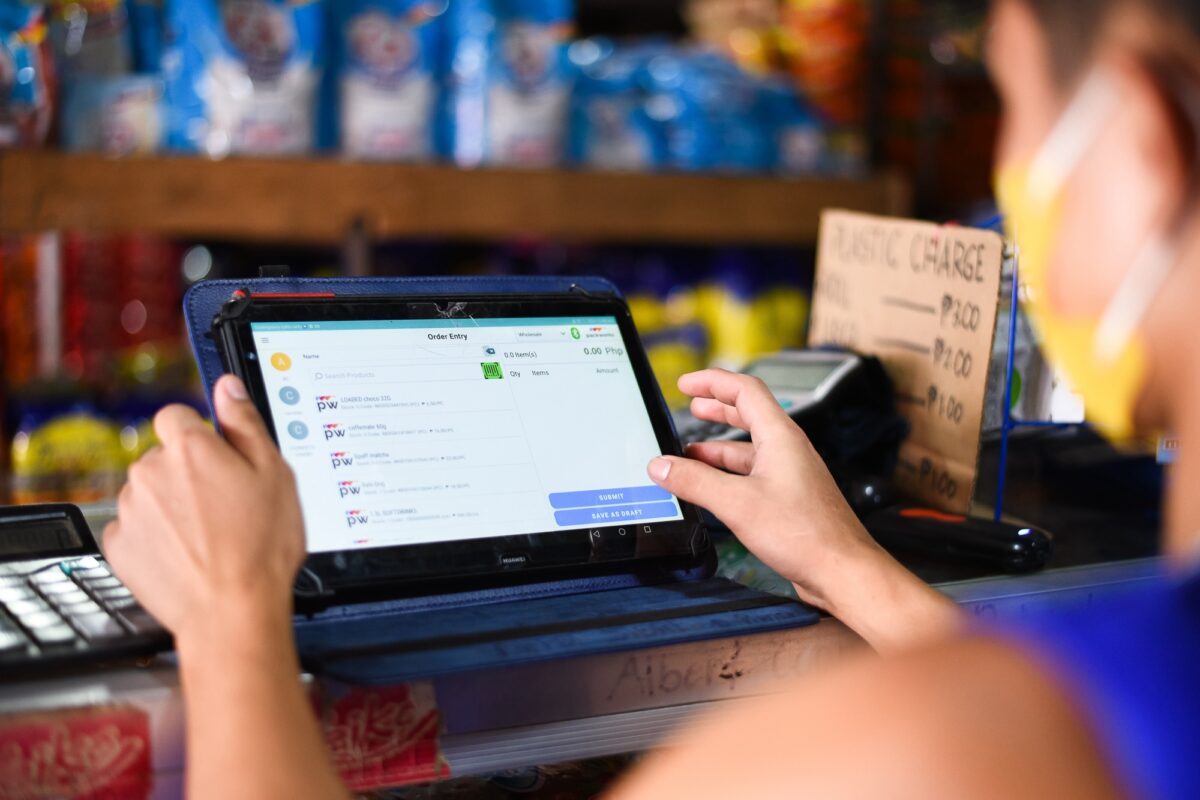
Sari-sari stores across the Philippines recorded a sharp 90% surge in sales this March, as both micro-retailers and consumers rushed to stock up in anticipation of higher prices and potential delivery disruptions, according to a new study by Filipino tech startup Packworks.
The findings, based on over 1 million transactions processed through its Sari.PH Pro app, show that gross merchandise value (GMV) across a network of roughly 300,000 sari-sari stores jumped to P3.73 billion in March, nearly doubling from P1.97 billion in February.
The most dramatic spike came on March 21, when GMV surged by 265% — just days after announcements of double-digit fuel price hikes on March 17.
The data suggests a clear pre-emptive response from store owners seeking to lock in inventory before transport and logistics costs filtered down to retail prices.
Stockpiling at the grassroots level
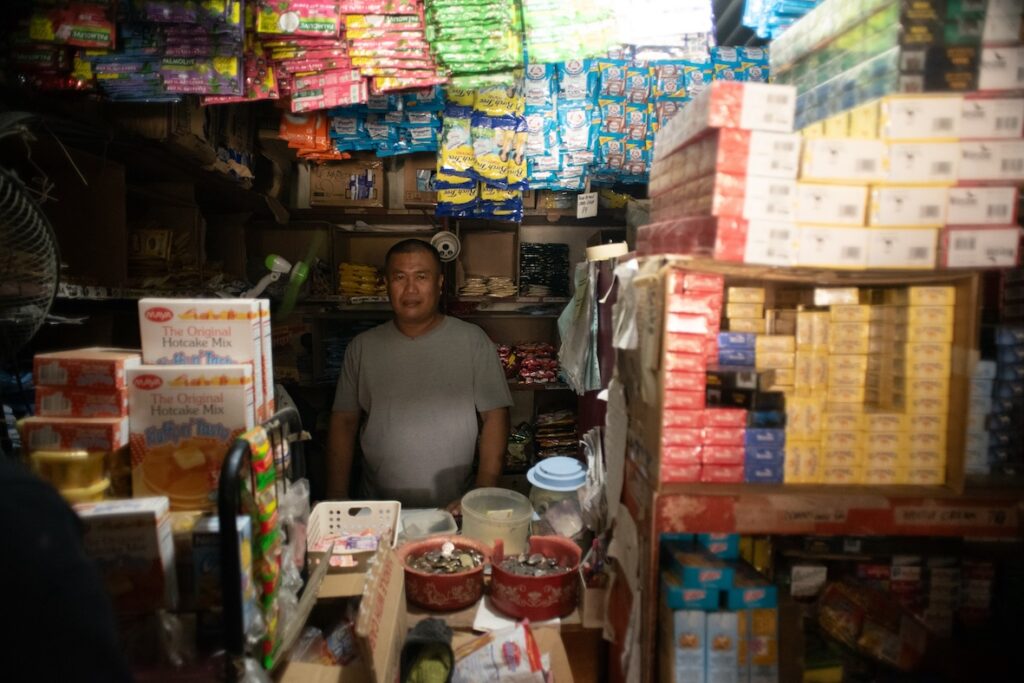
On the ground, store owners say the behaviour is driven by uncertainty in supply chains.
A sari-sari store owner from Uson, Masbate, described the pressure to prepare ahead of time: “Nag-stock up kami dahil natatakot kaming maubusan ng paninda at magkaroon ng delay sa delivery mula sa mga supplier.” (We stocked up because we were worried about running out of supplies and possible delays in deliveries.)
In some areas, delivery lead times have reportedly stretched to as long as three weeks, pushing retailers to prioritise bulk purchases of fast-moving essentials.
From “tingi” to bulk buying
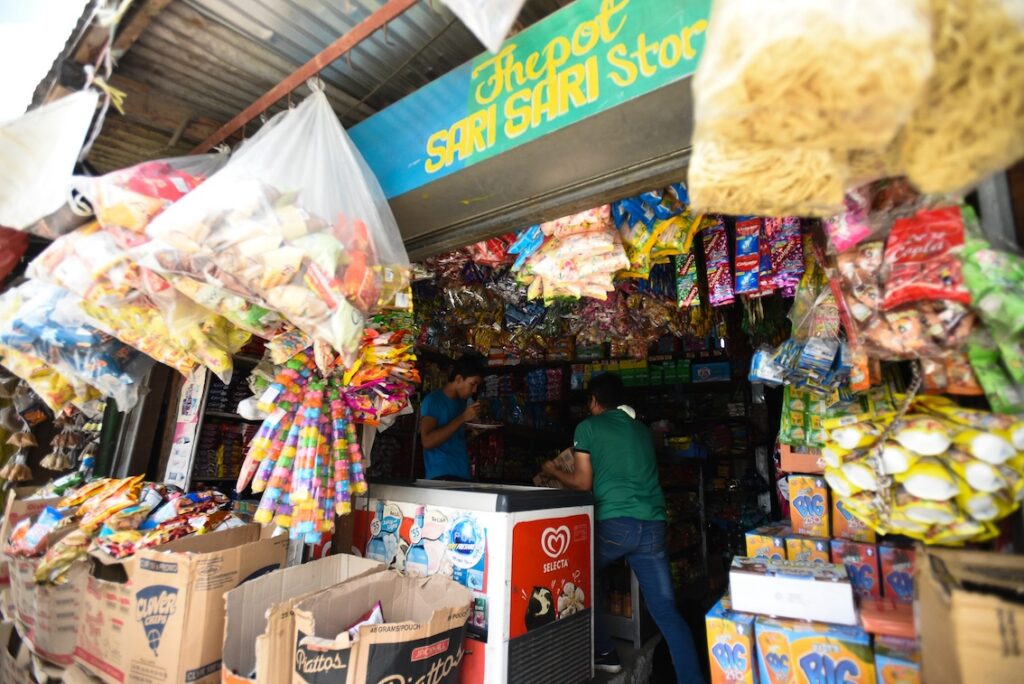
IMAGE CREDIT: Packworks
The study also points to a notable shift in Filipino household purchasing behaviour.
Traditionally driven by tingi culture — small, frequent daily purchases — consumers are now consolidating spending to offset rising transport and commodity costs.
Average basket sizes rose significantly, from P337–P1,097 in February to P597–P1,560 in March, even as transaction volume grew by a more modest 17%. The data indicates fewer purchases overall, but significantly larger spending per visit.
“With growing uncertainty and rising oil and commodity prices, our data suggests that sari-sari store owners are proactively adjusting their purchasing strategies,” said Packworks Chief Data Officer Andoy Montiel. “Larger basket sizes and increased inventory levels indicate a shift toward preparedness for potential supply disruptions and rising costs.”
Regional spikes reflect nationwide pressure
The shift was consistent across regions, with some areas seeing especially sharp increases in spending per transaction:
- Cordillera Administrative Region (CAR): +101.7% (P773 → P1,560)
- National Capital Region (NCR): +85% (P396 → P733)
- Bangsamoro Autonomous Region in Muslim Mindanao (BARMM): +80.2% (P495 → P892)
Everyday essentials drive demand
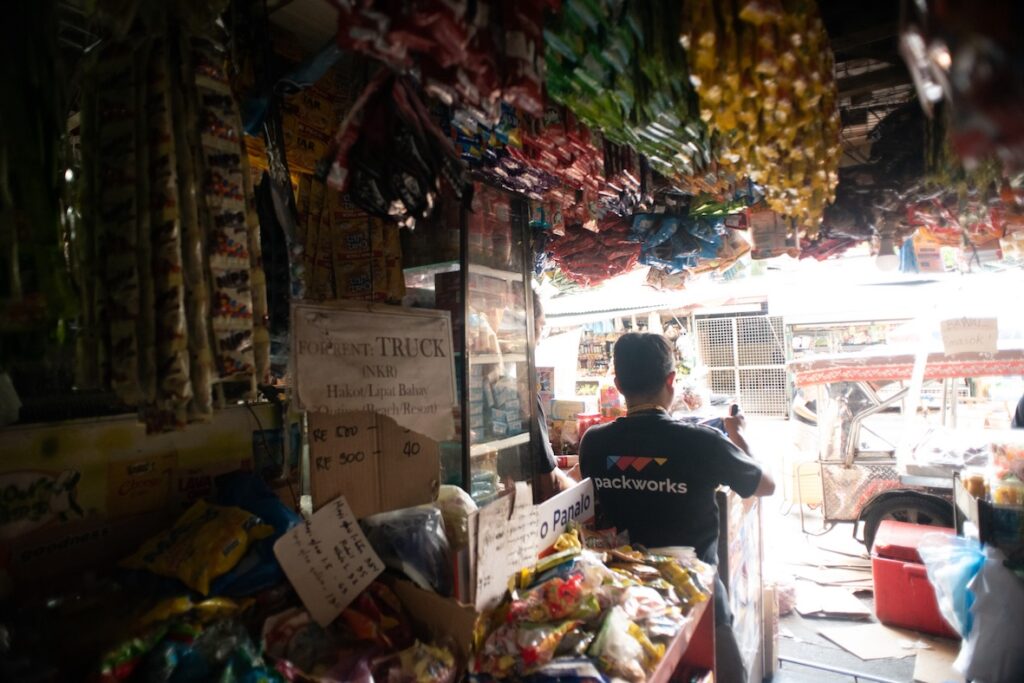
The surge in activity was led by high-turnover consumer goods, underscoring how inflation fears quickly translate into household-level stockpiling.
Top-selling categories included cigarettes, detergent, gin, powdered coffee, and chips and dips. Cigarettes recorded the largest increase at around P234 million, followed by detergent (P116 million) and gin (P66 million). Powdered coffee and snacks also saw strong gains.
Staple and comfort goods such as soda, biscuits, powdered milk, and canned products likewise posted notable increases.
Resilient but exposed
“As the backbone of local communities, sari-sari stores continue to demonstrate resilience in times of disruption,” said Packworks Chief Platform Officer Hubert Yap. “However, they remain highly vulnerable to price fluctuations and logistical challenges, highlighting the need for continued support.”
The findings underscore a familiar pattern in the Philippine retail landscape: when uncertainty rises, micro-retailers absorb the pressure first — and respond fastest.