
The 50-30-20 budgeting rule is often promoted as one of the simplest ways to manage money.
But for many Filipinos dealing with rising rent, transportation costs, and everyday expenses, the question is less about understanding the rule and more about whether it is still realistic on a local salary.
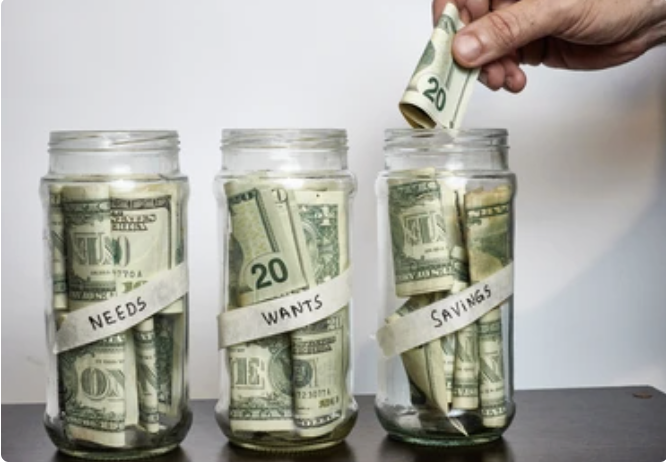
Originally popularized as a personal finance framework, the rule divides monthly take-home pay into three categories:
- 50% for needs
- 30% for wants
- 20% for savings and debt repayment
On paper, the formula looks straightforward. In practice, however, Filipino households often have to adapt it to fit economic realities.
Breaking down the 50-30-20 rule
The idea behind the system is to create a balanced approach to spending while ensuring savings remain part of the monthly budget.
Under the framework:
- “Needs” cover essentials such as rent, groceries, electricity, transportation, internet bills, and minimum loan payments.
- “Wants” include discretionary spending like dining out, shopping, streaming subscriptions, hobbies, travel, and lifestyle purchases.
- The remaining 20% goes toward savings, investments, emergency funds, or debt payments beyond the required minimum.
For someone earning a ₱20,000 monthly take-home salary, the breakdown would look like this:
- ₱10,000 for needs
- ₱6,000 for wants
- ₱4,000 for savings
The challenge is that many Filipino workers, particularly those living in Metro Manila or supporting family members, already spend well beyond 50% on basic necessities alone.
Why the rule feels harder in the Philippines
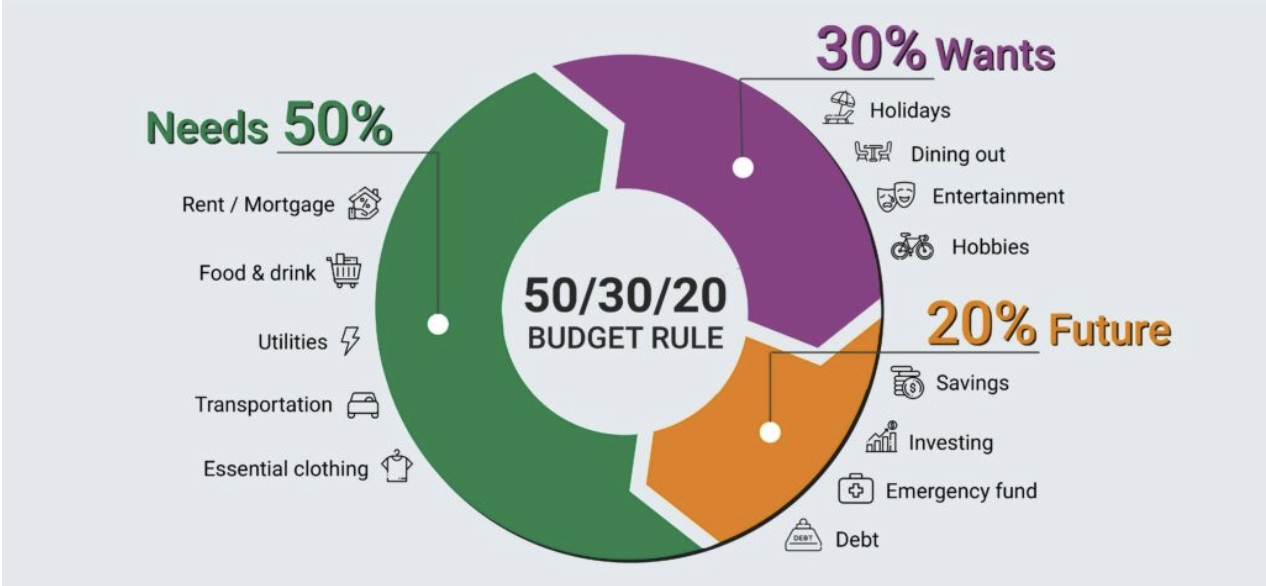
IMAGE CREDIT: shutterstock.com
Housing costs, transportation expenses, utility bills, and food inflation continue putting pressure on household budgets.
For many employees, needs can easily consume 60% to 70% of monthly income before savings even enter the conversation.
That does not necessarily mean the budgeting rule fails. Financial planners often treat the framework as a flexible guide rather than a rigid formula.
Instead of following a strict 50-30-20 split, some Filipinos adjust toward ratios such as:
- 70% for essentials
- 20% for bills and family support
- 10% for savings
The principle remains the same: consistently setting aside money matters more than perfectly following percentages.
Lifestyle spending quietly adds up
One area where many consumers struggle is discretionary spending that slowly becomes normalized as part of daily life.
Small purchases may appear harmless individually, but recurring expenses often create the biggest impact over time.
A ₱150 coffee habit, for example, can reach roughly ₱4,500 a month. Frequent online shopping purchases, food delivery fees, subscription renewals, and impulse spending through e-commerce platforms can further stretch budgets without immediately feeling excessive.
Financial experts note that wants are not necessarily bad spending decisions. Problems typically emerge when lifestyle expenses consistently take priority over savings goals.
How can we Filipinos realistically apply the rule
For workers trying to build better financial habits, the 50-30-20 method can still serve as a useful starting point.
A practical approach usually begins with:
- Calculating monthly take-home pay after taxes and deductions
- Listing all fixed expenses such as rent, utilities, debt payments, and transportation
- Identifying how much remains after essential expenses
- Dividing the remaining amount between lifestyle spending and savings
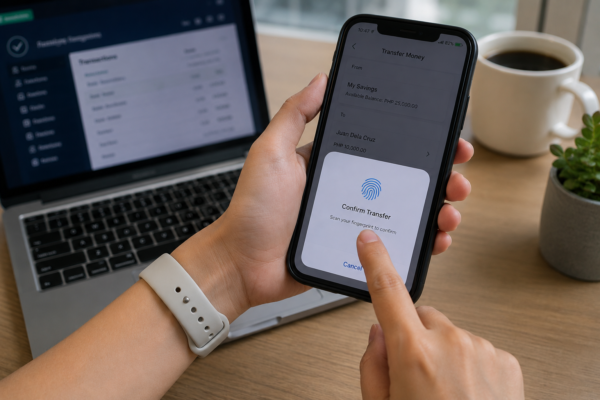
- Automating savings transfers immediately after payday
One of the biggest mistakes many consumers make is saving only whatever remains at the end of the month.
In reality, there is often little left.
By prioritizing savings first — even in smaller amounts — workers are more likely to build long-term financial discipline.
Consistency matters more than perfection
The 50-30-20 rule is not a guaranteed formula for financial success, nor does it perfectly reflect every Filipino household’s situation.
But it offers a structure that can help people become more aware of where their money goes each month.
Even modest savings can compound over time. Saving ₱2,000 monthly, for instance, adds up to ₱24,000 in a year — an amount that can help build an emergency fund, reduce debt reliance, or support future financial goals.
As inflation and living costs continue affecting household budgets, many Filipinos are becoming more intentional about spending decisions. In that environment, budgeting frameworks like the 50-30-20 rule may matter less for their exact percentages and more for the financial discipline they encourage.
Sources:
- WalletHub 50/30/20 Guide (wallethub.com)
- BPI AIA Budgeting Strategies (bpi-aia.com.ph)
- NerdWallet Budget Calculator (nerdwallet.com)