

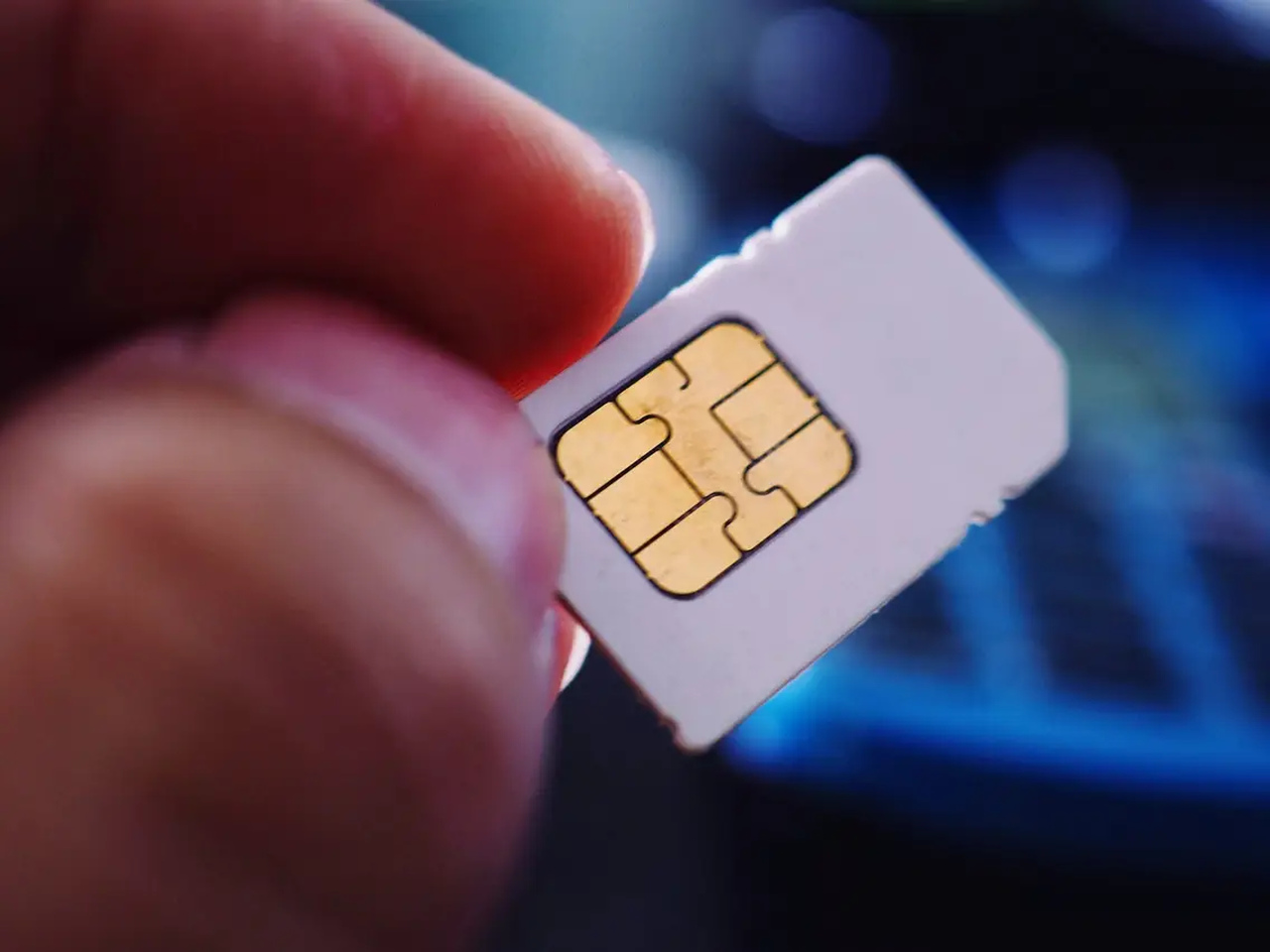
Following the full enforcement of the SIM registration law, the Philippine National Police Anti-Cybercrime Group (PNP ACG) has recently raised the curtain on the ever-evolving tactics of scammers.
In a media advisory, the PNP ACG said: “While we’ve seen a promising 50% decrease in SIM card-related crimes (from 2,318 cases one month before the full implementation to 1,134 cases one month after), it is vital to remember that scammers are also not resting. They are constantly evolving, creating new ploys to outsmart the system.”
IMAGE CREDIT: https://360mozambique.com/
“In the aftermath of the SIM card registration law’s implementation, scammers have ingeniously charted new courses for their deceptive operations,” the advisory further stated.
In their quest to circumvent the SIM registration law, scammers have since devised a novel approach – the acquisition of inactive SIM cards. These SIM cards have remained dormant until registered, allowing them to accept incoming calls and texts while restricting their ability to initiate outbound communication.
How the scammers are doing it
First, they seized the opportunity presented by the five-day grace period, which allowed individuals to register previously deactivated SIM cards even after the initial deadline.
The scammers have also started to dabble in the purchase of fresh, inactive SIM cards – cards they have no intention of registering. They then employ these dormant SIM cards to capture One-Time Passwords (OTPs), granting them entry to popular social messaging apps such as WhatsApp, Telegram, and Viber.
Through these apps, the scammers are able to establish internet connections via Over-The-Top (OTT) services, thus eluding the scrutiny of telecommunications companies.
Capitalizing on this opportunity, scammers snatch up these unregistered SIM cards, forsaking the registration process altogether. Instead, they rely on Wi-Fi networks for connectivity.
These unregistered SIM cards serve as gateways for scammers to intercept OTPs, empowering them to create accounts on well-known social messaging platforms. Subsequently, they exploit these accounts to disseminate spam messages, links, and various scams to unsuspecting individuals.
These deceptive activities remain cloaked in the veil of internet anonymity, facilitated through Over-The-Top (OTT) messaging platforms. Once their purpose is fulfilled, these SIM cards are discarded, leaving no trace of their origin.
Another cause for concern arises from scammers procuring registered SIM cards and digital wallet accounts. Often, individuals grappling with financial hardship inadvertently provide scammers with the tools they need to commit fraudulent acts.
With an unlimited number of SIM cards permitted under one person’s name, some have exploited this loophole by selling surplus, unused SIM cards to scammers for financial gain.
The PNP ACG remains steadfast in its commitment to monitor and combat the evolving strategies of scammers to safeguard the community’s safety and security. “We are tirelessly working to investigate and combat these evolving scams, and we deeply appreciate the public’s cooperation in this endeavor. Staying informed and vigilant allows us to collectively shield ourselves and our communities from falling prey to scammers,” stated PBGEN HERNIA.